The Complete Guide to Crypto Trading Bots
A crypto trading bot is a software program that executes a trading strategy automatically, connecting to exchanges through an API, monitoring the market around the clock and placing orders according to preset rules. Its core value lies in removing emotional interference and speeding up execution so that trading discipline is followed without exception. The global automated crypto trading market was worth roughly USD 22 billion in 2025 and is expected to grow by 14.8% a year through 2033. For investors who cannot watch charts all day, or who want to escape emotional trading, a bot offers a practical way to turn a strategy into consistent execution.
The Core Logic of a Trading Bot: A Five-Step Loop
Whether it is a simple grid script or a complex AI model, almost every trading bot follows the same underlying loop:
Collect: read real-time prices, order book depth and on-chain data from the exchange through API or WebSocket.
Analyse: feed the collected data into technical indicators (RSI, moving averages and so on) or machine learning models to produce trading signals.
Decide: use the strength of the signal and your position-sizing rules to judge whether to open a position and how large it should be.
Execute: submit buy and sell orders and set slippage limits, so that trades are not filled at terrible prices when liquidity is thin.
Manage: keep tracking the open position and close it when take-profit or stop-loss conditions are triggered.
The "manage" step is often what separates a toy from a live system. Opening a position is easy, but a bot that cannot exit cleanly will ride your position all the way to zero.
Main Bot Types and When to Use Them
1. Grid trading bots: the cash machine of range-bound markets
A grid bot places a series of buy and sell orders inside a preset price range. Every time the price falls to a buy level it buys, and every time it rises to a sell level it sells, repeatedly capturing the swing. Take BTC: set 20 grids between USD 90,000 and USD 100,000, 500 dollars apart, and each oscillation can earn around 0.5% of grid profit. This suits ranging markets best; in a one-way trend it can end up fully invested at the top or sitting in cash through the whole move.
What major platforms supported in 2026: Gate offers both spot grids and futures grids; MEXC additionally provides Infinity Grid (borderless grid) and AI Grid (AI-recommended optimal parameters).
2. DCA bots: trading time for space
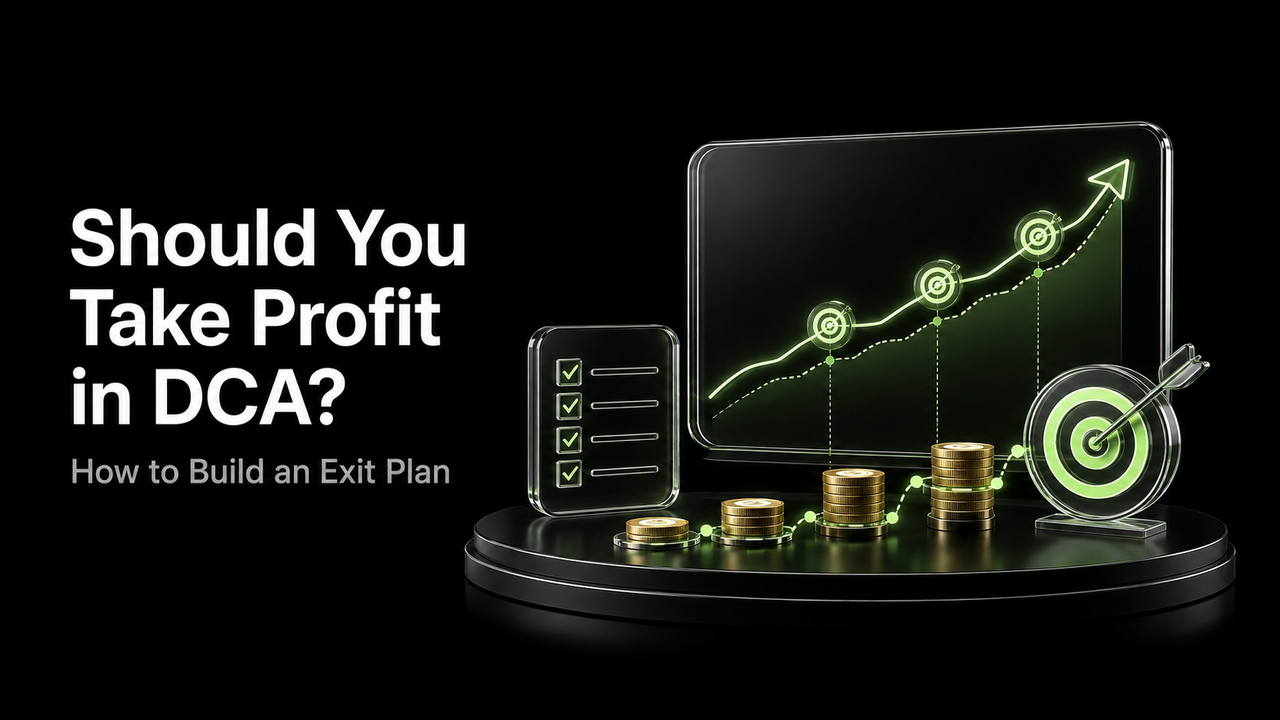
A DCA bot automatically buys a fixed amount of a chosen asset at fixed intervals, such as every Monday, entering in batches to smooth the average cost. It suits long-term accumulators who do not want to call market tops and bottoms. The risk: in a prolonged bear market it keeps buying a losing asset, and without a stop-loss mechanism you can end up "buying more and losing more as it falls". Some platforms offer an advanced "smart DCA" that only triggers a buy when RSI < 40.
Hotcoin has launched a Spot Auto-Invest tool, so users can automate a DCA strategy while the market consolidates, with a campaign that carries a USD 100,000 prize pool.
3. Arbitrage and funding rate bots: market-neutral strategies
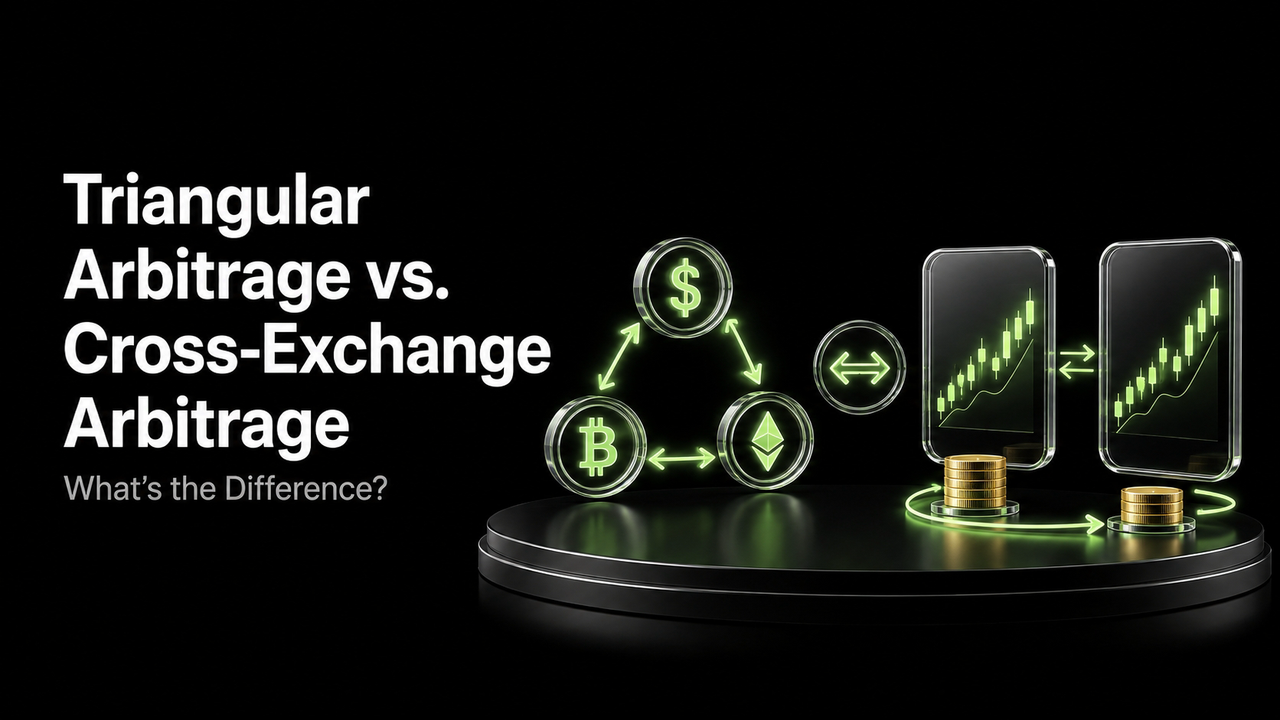
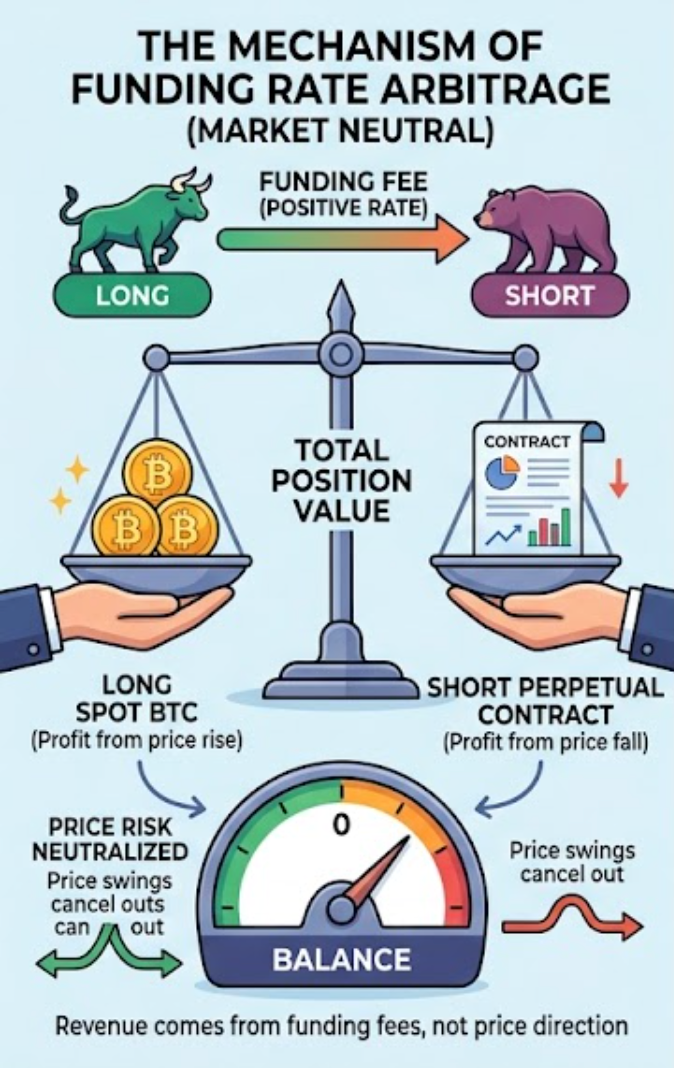
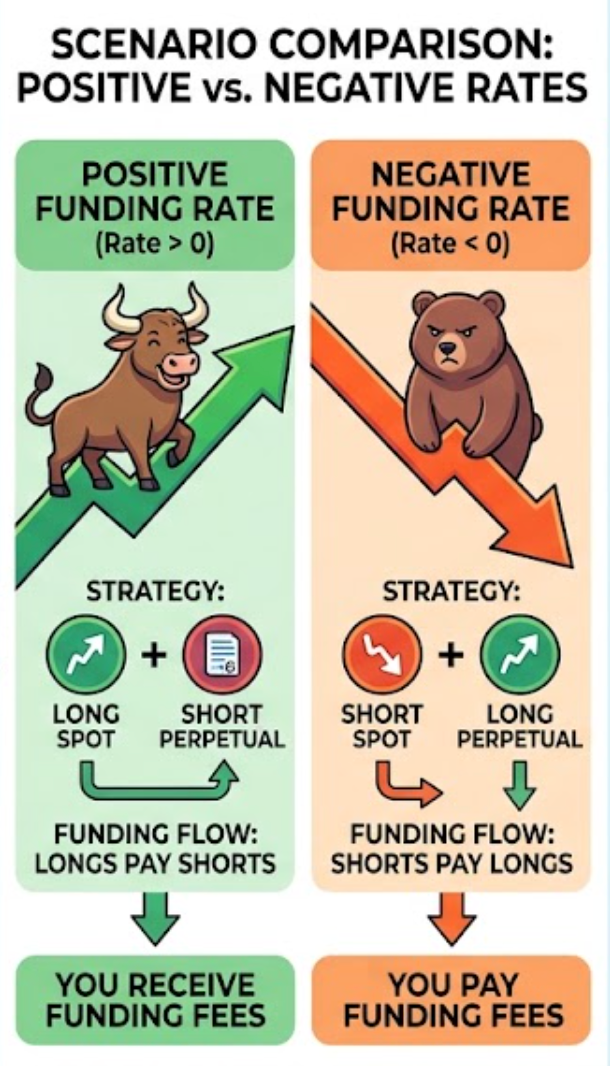
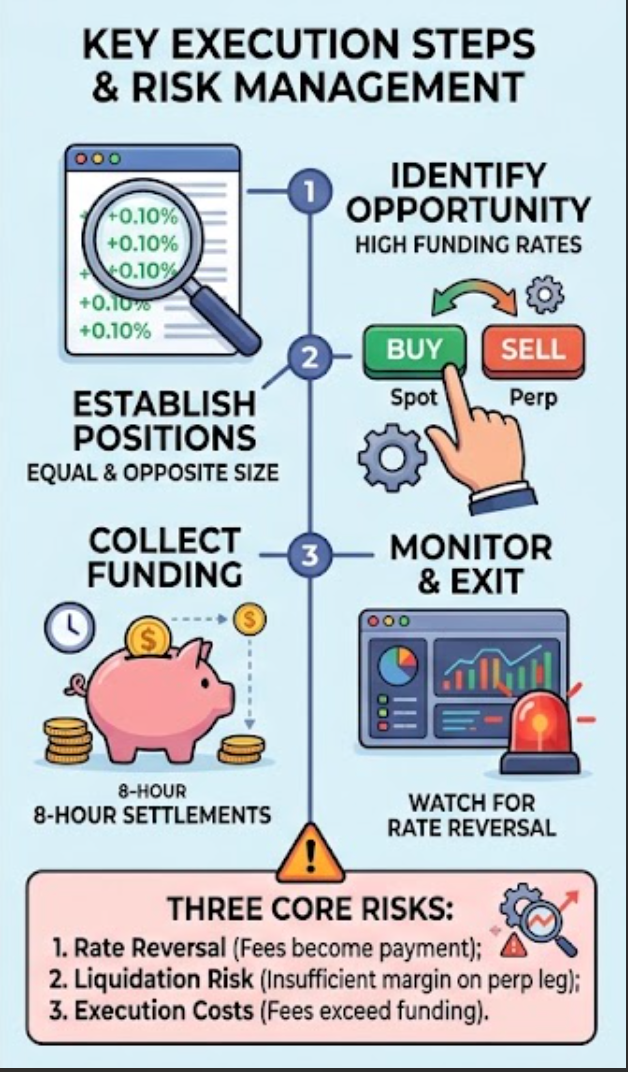
An arbitrage bot opens opposite positions in different markets at the same time to capture price gaps or funding rates. Price direction is hedged, so returns come from market structure rather than from price moves. The most common application is funding rate arbitrage: when the funding rate is positive, short the perpetual contract while buying the same amount of the asset in spot, collecting the funding fee that longs pay to shorts; when the rate is negative, do the reverse. Gate offers dedicated arbitrage bot types that support automated execution of this strategy.
4. Signal-triggered bots: plugging into external analysis
These bots do not generate signals themselves. They execute trades based on TradingView strategy alerts, quantitative model output or third-party signal services. For example, write a "50-day moving average crosses above the 200-day moving average" strategy in TradingView, connect a Webhook, and the bot places orders automatically when the signal fires. Signal quality decides everything: even with flawless execution, a signal with a 60% win rate means losing 40% of the time by design.
5. Rebalancing bots: automating portfolio management
A rebalancing bot periodically adjusts the weight of each asset in a portfolio so it stays at the preset target allocation. If the target BTC weight is 45% and a BTC rally pushes it to 50%, the bot automatically sells part of the BTC and buys other assets to return to 45%. This suits investors who hold long term and want their risk exposure maintained automatically.
The Three Core Advantages of Trading Bots
Running around the clock: crypto markets trade 7×24, so a bot can keep monitoring and executing while you sleep.
Removing emotional bias: a bot will not chase a top out of FOMO or panic-sell, and trade number 500 follows exactly the same discipline as trade number 1.
Ultra-fast execution: orders go out the moment conditions are met, with no human reaction time, which suits capturing short-lived spreads or key breakouts.
Three Core Risks: The Price You Must Accept
A bot does not turn a bad strategy into a good one. The only thing automation does is execute faster and more consistently, whether the strategy is good or bad. A strategy with fundamental flaws will simply lose money faster and more completely with a bot.
API and system risk: a dropped API connection, exchange rate limits or a coding error can all stop the bot from working or make it place repeated orders at the wrong moment. Set an IP whitelist, and never enable withdrawal permission on an API key, because a trading bot never needs the ability to move funds out.
Extra risks of AI bots: AI models can hallucinate (invent market conditions that do not exist), be misled by poisoned data, or make bad decisions because of bias in their training set. AI trading systems are equally exposed to hacking and coding errors.
How to Get Started: Three Paths
Path 1: Built-in platform bots (no code)
Best for beginners. Mainstream exchanges such as Gate and MEXC offer ready-made grid, DCA and arbitrage bots that start as soon as you configure the parameters on the web or in the app. Hotcoin offers a Spot Auto-Invest tool that turns on a DCA strategy with one click.
Path 2: Open-source bot frameworks (basic programming required)
Best for users with some programming background. OctoBot (Python) provides a visual interface and integrations with 15+ exchanges, supporting grids, DCA, AI connections (ChatGPT/Ollama) and more; BBGO (Go) offers a lower-level strategy framework with backtesting. The CCXT library connects to 100+ exchange APIs through a unified interface, can be written in six languages including JavaScript, Python and PHP, and is the first choice for building a custom bot.
Path 3: Building your own AI bot (advanced)
Best for users with strong development skills. Python is the default language, combined with pandas/NumPy for data handling and PyTorch/TensorFlow for models, while Web3.py covers on-chain trades and smart contract interaction. The development lifecycle runs: collect historical data → backtest the strategy → validate on a paper trading account → go live with small capital → monitor and iterate continuously.
Safety First: Three Iron Rules
Start on a testnet: never learn to write a bot with real money. Most exchanges provide a sandbox (paper trading) environment, and CCXT switches over with a single line, setSandboxMode(true). Get the whole flow working on the testnet first, then use real capital.
Limit API key permissions: an API key created for a bot must have withdrawal permission disabled and an IP whitelist bound to it. A trading bot does not need, and should not have, the ability to transfer assets out.
Stop-loss before profit: a bot's risk management logic must include a stop-loss, whether a fixed percentage or a trailing stop. A bot without stop-loss protection can give back all of its profits in a single extreme move, even with a high win rate.
FAQ
Q1: Can a trading bot guarantee profits?
No. A bot only automates the execution of your strategy, and the quality of that strategy decides whether the result is profit or loss. A bad strategy executed automatically simply loses money faster. The value of a bot is discipline and efficiency, not "earning money automatically".
Q2: Can I use a trading bot without programming experience?
Yes. Mainstream exchanges such as Gate and MEXC offer no-code built-in bots (grid, DCA, arbitrage) that work once you configure the parameters in the interface. Hotcoin also offers a Spot Auto-Invest tool with a very low barrier to entry.
Q3: What is the difference between an AI trading bot and an ordinary bot?
An AI bot can learn from new data, adjust its strategy in real time and recognise more complex market patterns, making it more adaptable than a preprogrammed algorithm with fixed parameters. That also means higher technical and cost barriers, and the AI model itself may hallucinate or contain coding errors.
Q4: How do I judge whether a trading bot is worth using?
Backtest first, using historical data to verify strategy performance; then run it on a paper trading account for a while; only then test with small live capital. Watch drawdown control (maximum loss), the balance between win rate and risk-reward ratio, and whether fees and slippage eat into profits. Do not look at returns alone, because drawdown control and stability matter just as much.
Related tutorials:
Recommended reading:
Lettura consigliata
Visualizza altro