Wallet Address Lookup: On-Chain Balance and Transaction History
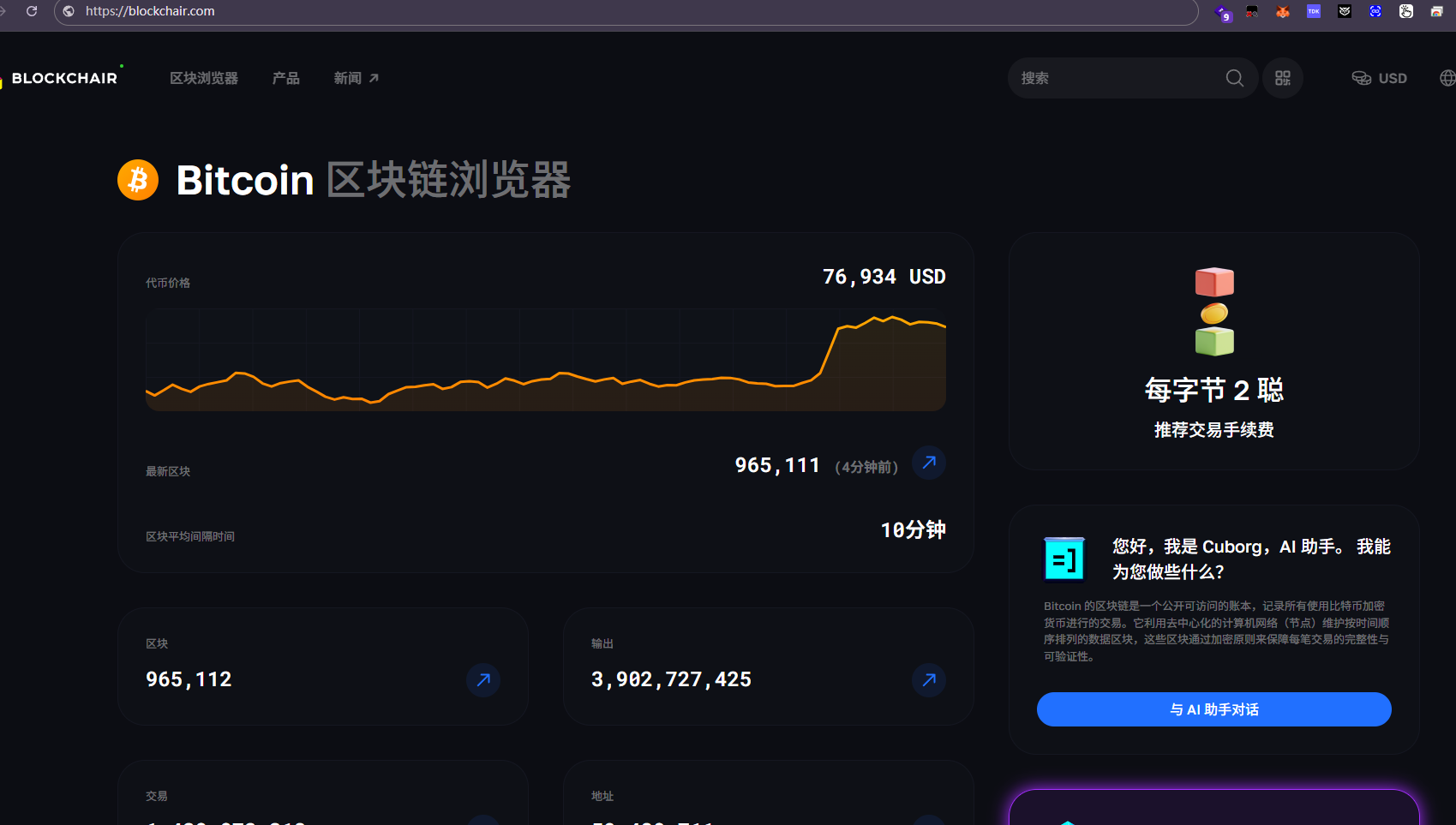
A wallet address lookup lets you quickly view any address's on-chain balance, token holdings, and full transaction history in a block explorer, helping you confirm incoming transfers, trace payments, and verify whether assets are genuine.
On a blockchain, every transfer and balance is publicly checkable. Knowing how to look up a wallet address is a basic skill for confirming receipts, troubleshooting problems, and analyzing on-chain activity. The sections below explain how to check on-chain balances and transaction history in real use.
What Can a Wallet Address Lookup Show?
Looking up an address in a block explorer usually returns the following information:
Native coin balance: For example ETH, BNB, TRX, SOL, and so on.
Token holdings list: The tokens held by that address and their amounts.
Transaction history: Historical transfers, contract interactions, approvals, and other operations.
Transaction details: The time, amount, counterparty address, gas fee, and status of each transaction.
Approval records: Which contracts the address has granted approvals to (important security information).
This data is recorded on-chain and cannot be tampered with.
Use Cases and Risk Notice
Confirming receipt: After a transfer, verify success through the transaction hash or an address lookup.
Asset verification: Check the real on-chain holdings of your own address or someone else's.
Security checks: Look for abnormal approvals or suspicious transactions.
Risk notice: On-chain data is public and transparent, but lookup tools themselves do not provide investment advice. Once you share an address, anyone can view its balance and transaction history, so protect your privacy. Never enter a private key or seed phrase on a website you do not trust.
Frequently Asked Questions (FAQ)
Q1: Why does my wallet app show a balance that the explorer cannot find?
A: You may have picked the wrong network explorer, or the wallet may be showing a transaction that is not yet confirmed. Make sure the network matches and refresh the page.
Q2: Do failed transactions in the history still cost money?
A: A failed transaction usually does not move assets, but the gas fee may already have been spent.
Q3: Can I look up someone else's wallet address?
A: Yes. Blockchain address balances and transaction history are public, so you only need the address to look them up.
Q4: Does looking up an address expose my privacy?
A: The address itself is anonymous, but if it becomes linked to personal information, its activity can be traced. Manage privacy carefully for important addresses.
Q5: What should beginners pay most attention to when looking up an address?
A: Always use the official or well-known explorer for the matching network, and check the full address carefully so an incomplete copy does not lead to a wrong lookup.
With the methods above, you can look up wallet addresses efficiently and get accurate on-chain balance and transaction history. Make a habit of verifying after every important transfer, both to confirm receipt and to spot anomalies early. On-chain data is transparent, and using lookup tools well makes asset operations more reassuring.
Recommended
View more