How Many Cryptocurrencies Are There? A Beginner's Guide to Token Categories
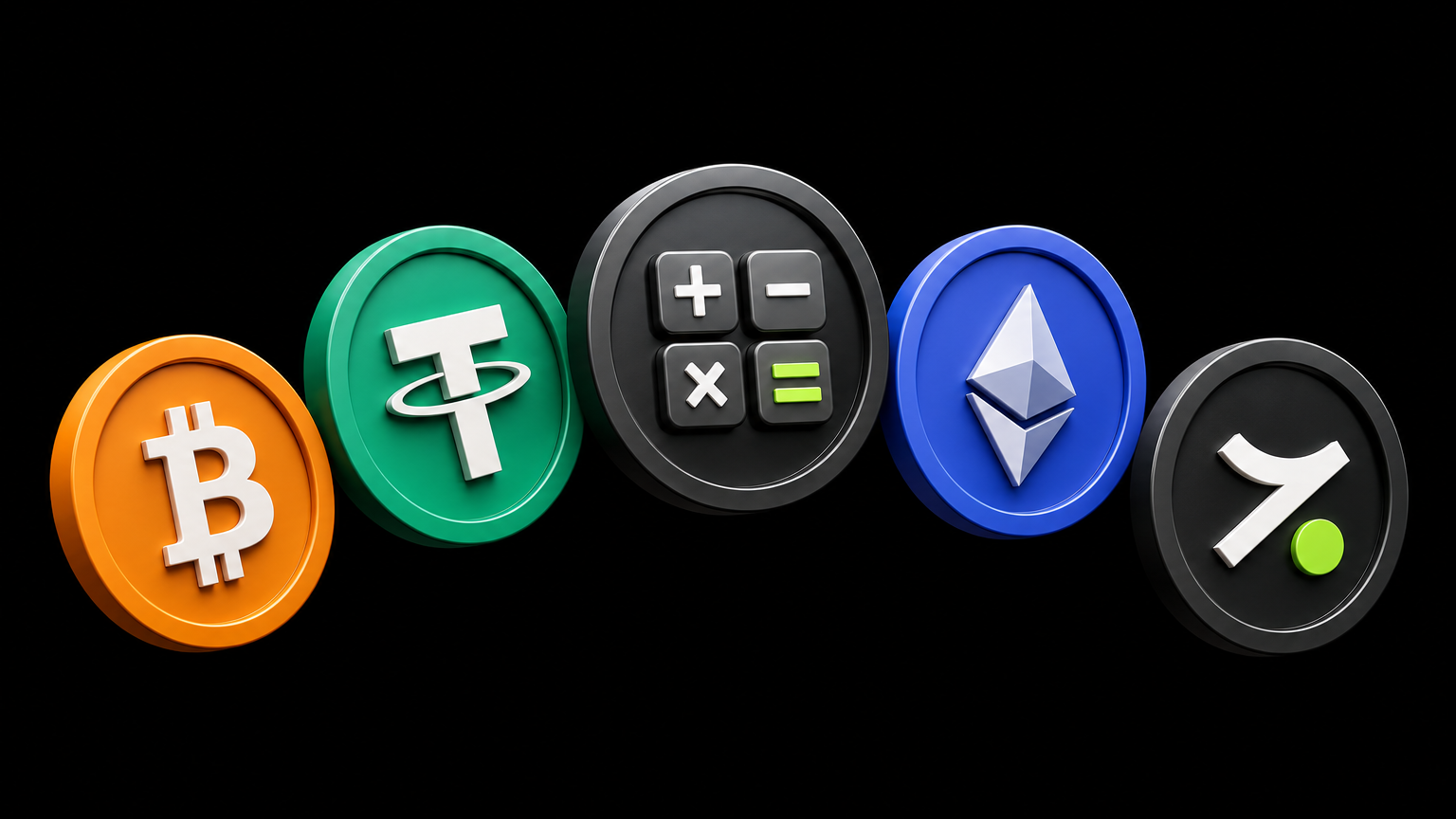
How many cryptocurrencies exist worldwide? There is no permanently accurate number that every platform uses.
Anyone can create a Token on an open blockchain. One project may deploy on several chains, assets with the same name can be imitated, native assets can be wrapped or bridged, and contracts from failed projects remain on-chain. As a result, “how many were created,” “how many a data platform indexes,” “how many are officially listed,” and “how many still have an active market” are four different questions.
On August 25, 2026, for example, CoinGecko's homepage showed that it tracked about 18,600 crypto assets. Its global market-cap page used a smaller set of deduplicated assets and explicitly excluded some wrapped, bridged, and liquid-staking derivatives to avoid counting the same value twice. Other platforms may include huge numbers of Tokens ever created on-chain, producing totals in the tens of millions.
These figures can change with the next update. For beginners, classification matters more than memorizing a total: Is the asset a native Coin on an independent blockchain or a Token issued by a smart contract? Is it used for payments, Gas, stable pricing, governance, collateral, yield, collectibles, or community engagement? Does it carry reserves, redemption rights, administrator controls, or legal rights?
To build a complete foundation covering definitions, value, and risk first, read the Complete Beginner's Guide to Cryptocurrency.
Why Is It Impossible to Count Every Cryptocurrency Precisely?
First, creation is easy. Developers can deploy a Token using an existing standard without obtaining a global registration number or approval from a data platform.
Second, blockchains do not automatically delete inactive contracts. A Token record remains even after a project stops operating, its website closes, or its liquidity falls to zero.
Third, names and ticker symbols can be duplicated. Anyone can create an imitation Token called BTC, USDT, or another popular project name, so a name and logo cannot uniquely identify an asset.
Fourth, multichain deployment creates duplicate counts. The same brand may have official contracts on Ethereum, BNB Chain, Solana, and Layer 2 networks, while bridges may create additional mapped versions.
Fifth, data platforms use different standards. Some list only assets with public markets and project information, some index every new on-chain contract, and others count trading pairs rather than projects.
Therefore, a “global cryptocurrency count” is only a snapshot produced at a particular time by one platform under one methodology.
What Is the Difference Between Creation, Indexing, Listing, and Tradability?
Creation means a contract or native asset has been deployed on-chain. It proves only that a technical record exists, not that the project is genuine, lawful, or valuable.
Indexing means a block explorer or data service has detected an asset contract and read its name, symbol, supply, and transfers. Automated indexing may include spam and scam Tokens.
Listing means a market-data platform has created an asset page and aggregated price, supply, website, and trading-market information under its own rules. A listing is not a security review or investment endorsement.
Tradability means at least one market or liquidity pool exists, but even a small amount of capital can create a trading pair. It does not guarantee adequate depth, genuine pricing, or the ability to sell.
An active market also requires ongoing buyers and sellers, reasonable spreads, genuine volume, and exit liquidity. A Token may display a price yet remain impossible to cash out because of honeypot code, transfer taxes, or a tiny pool.
When beginners encounter claims that “tens of millions of coins exist,” they should first ask which layer is being counted instead of treating every on-chain contract as a mature cryptocurrency.
Why Do Different Pages Show Different Cryptocurrency Counts?
A data platform may show officially tracked projects on its homepage, use a smaller set adjusted for supply and duplicate assets on its total-market-value page, and show every automatically discovered Token in its on-chain section.
Wrapped BTC, bridged ETH, and liquid-staking receipts may each have a price, but all derive value from an underlying asset. Counting every version in global market capitalization may count the same economic value more than once.
Stablecoin supply across multiple chains may be consolidated under one project or split by contract. Token migrations, swaps, and contract upgrades also leave both old and new versions.
Assets without a reliable price or verifiable circulating supply, and those with long-inactive markets, may retain information pages while being excluded from rankings.
Before comparing platform totals, read their methodology and determine whether they count projects, contracts, trading pairs, networks, or only assets with prices.
What Is the Difference Between a Coin and a Token?
A Coin is usually a blockchain's native asset and is recorded directly by the base protocol. BTC is native to the Bitcoin network, while ETH is native to Ethereum.
Native Coins commonly pay transaction fees, reward miners or validators, support staking, and transfer value. Their issuance and supply are governed by consensus rules.
A Token is generally issued by a smart contract on an existing blockchain. It relies on that network's security, nodes, and execution environment and uses the native Coin to pay Gas.
A Token issuer may design minting, burning, freezing, blacklists, transfer taxes, pausing, and upgrade powers. Control structures vary greatly between contracts.
Coin and Token are technical categories, not safety ratings. A native Coin may belong to a very small network, while a Token may have mature reserves and governance.
For an introduction to blockchains, native assets, and smart contracts, read What Is Cryptocurrency? A Simple Guide to Digital Currency.
What Are Fungible and Non-Fungible Tokens?
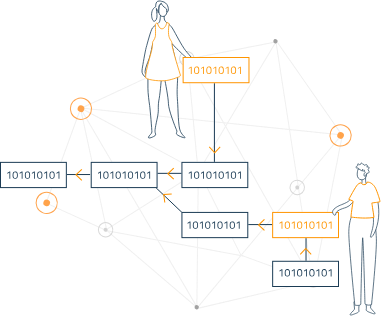
Each unit of a fungible Token is interchangeable under the protocol's rules. One unit of a stablecoin from the same contract is generally equivalent to another unit of that stablecoin.
Ethereum's ERC-20 is a common fungible-token standard. It defines interfaces for balances, transfers, supply, and approvals so wallets and applications can process Tokens consistently.
Each numbered non-fungible Token can represent a different object. ERC-721 is commonly used for digital art, collectibles, game items, domains, and credentials.
ERC-1155 can manage fungible, non-fungible, and semi-fungible assets in a single contract, making it useful for games and batch issuance.
“Non-fungible” only means Token IDs differ; it does not prove scarcity, authenticity, copyright ownership, or market demand.
Category 1: Payment and Value-Transfer Cryptocurrencies
These assets are primarily used for peer-to-peer transfers, payments, or long-term value storage. Bitcoin is the best-known example.
Analysis commonly focuses on supply rules, network security, node and miner distribution, transaction confirmation, liquidity, adoption, and censorship resistance.
Some early alternative Coins changed block times, privacy features, mining algorithms, or supply caps to provide different payment experiences.
A payment label does not mean price stability. If merchants price goods in fiat currency, exchange-rate volatility directly affects purchasing power.
Native payment Coins must also be distinguished from platform points. The latter may depend on a company's account system and database rather than an open blockchain.
Category 2: Native Coins of Smart-Contract Platforms
Smart-contract platform Coins pay network execution fees and may also support staking and governance. ETH and SOL belong to this broad category, although their technical designs differ.
Demand can depend on blockspace, application use, staking security, the developer ecosystem, and cross-chain settlement.
A high transaction count does not necessarily imply high value. Low fees, subsidies, or bots can generate large volumes of activity, so user payments and sustained retention also matter.
Platform Coins help fund network security. Validator revenue, staking concentration, client diversity, and inflation affect their long-term model.
A similarly named Token on another chain is not the native Coin. Users must identify whether they hold the native asset, a wrapped version, or a bridged version.
Category 3: Stablecoins
Stablecoins aim to maintain a price linked to fiat currency, commodities, or another reference asset. They are commonly used for trading quotes, payments, cross-border transfers, and DeFi settlement.
Fiat-backed stablecoin issuers hold cash, short-term government securities, or other reserves and offer issuance and redemption under stated terms.
Crypto-collateralized stablecoins lock collateral in smart contracts and use overcollateralization, oracles, and liquidations to maintain value.
Algorithmic stablecoins rely more heavily on supply adjustments, incentives, and related Tokens. Without adequate redeemable assets, a reversal of confidence can cause a depeg.
“Stable” is a design goal, not a guarantee. Freezing, banking, reserves, redemption, contracts, governance, and regulation all introduce risks that need review.
Category 4: Platform Coins and Exchange Tokens
Platform Tokens may provide fee discounts, VIP levels, staking, event access, project launches, or ecosystem payments.
Some also serve as the native Gas asset of a blockchain, making them both platform Tokens and smart-contract platform Coins.
Demand depends heavily on a company's brand, trading volume, product eligibility, and regulatory status. Withdrawal, solvency, or governance crises at the platform can also affect the Token.
Buybacks and burns can change supply but cannot substitute for a real business. Verify revenue sources, execution transparency, team holdings, and unlock schedules.
Categories overlap. A single label should never conceal other dependencies.
Category 5: Utility Tokens
Utility Tokens provide access to products, services, network resources, or specific functions.
The key question is whether the Token is genuinely necessary. If users can obtain the same result with fiat or stablecoins, demand for the native Token may come mainly from incentives.
Utility Tokens sold before launch also carry risks that the product is never delivered, lacks users, or changes its intended purpose.
Access rights may remain subject to platform rules, regional restrictions, account suspension, and contract upgrades.
The technical label “utility” does not determine legal classification. Jurisdictions may examine actual issuance, marketing, rights, and buyer expectations.
Category 6: Governance Tokens
Governance Tokens let holders vote on protocol parameters, treasuries, fees, collateral, upgrades, and risk settings.
Governance power is not the same as company equity. Holders may have no claim on revenue, assets, dividends, liquidation proceeds, or legal remedies.
Review voter participation, proposal thresholds, delegation, timelocks, multisignature controls, emergency powers, and ownership concentration.
Some protocols connect staking, fee distribution, or buybacks directly to their governance Token. Others provide only limited advisory rights.
Governance can also be influenced by borrowed Tokens, voter apathy, and whale coalitions. Transparency does not automatically create fairness.
Category 7: Security Tokens and Real-World Asset Tokens
Real-world asset tokenization attempts to represent government securities, funds, debt claims, real-estate interests, commodities, or other off-chain rights on a blockchain.
Value depends not only on the contract but also on the issuer, custody, legal documents, asset segregation, valuation, audits, and redemption procedures.
Security Tokens may represent equity, debt, income, or other regulated rights and can involve investor eligibility, transfer restrictions, and disclosure obligations.
Continuous on-chain transfer does not mean an off-chain asset settles instantly. Banks, registrars, courts, and business-day schedules may still apply.
“RWA” is a technical and market label, not a substitute for legal due diligence. Confirm exactly which enforceable rights Token holders possess.
Category 8: DeFi Protocol Tokens
DeFi Tokens may support governance, incentives, fees, collateral, insurance, or protocol risk absorption.
One protocol can simultaneously have a governance Token, stablecoin, deposit receipt, debt position, and liquidity-pool share. These are not the same type of asset.
A governance Token may not represent protocol deposits, while a deposit receipt represents an underlying redeemable position. Similar names make mistaken transfers particularly dangerous.
Yield may come from borrowing interest, trading fees, staking, real-world assets, or newly issued Token subsidies. Different sources create different risks.
When assessing a DeFi Token, trace backward to the ultimate collateral and redemption path, then examine contracts, oracles, and liquidation mechanisms.
Category 9: Liquidity-Pool Tokens and Yield Receipts
Users who supply two or more assets to an automated market maker may receive an LP Token representing their share of the pool.
Its value changes with the quantities and prices of underlying assets, trading fees, and impermanent loss. It is not a fixed-value receipt.
Lending-protocol deposit receipts may accrue interest through an increasing exchange rate, while yield-aggregator receipts may combine several protocols.
Wrapping or restaking these receipts creates multilayer derivative Tokens. A single balance displayed in an interface may hide several contracts and liquidation risks.
Do not send a yield receipt to an unsupported address, and never identify its underlying asset from the ticker alone.
Category 10: Liquid-Staking and Restaking Tokens
A liquid-staking Token represents a staked native asset and related yield, allowing holders to trade or use it in DeFi while waiting for unstaking.
Its price may track the underlying asset but is not identical to it. The exchange rate, waiting period, protocol fee, and secondary-market liquidity all affect value.
Restaking Tokens take on additional services or slashing conditions on top of existing staking security, potentially increasing both yield and risk.
Review the issuer, validator distribution, smart contracts, withdrawal credentials, and governance keys.
Global market-cap statistics may count underlying ETH, staked ETH, and restaking receipts simultaneously, duplicating the same economic value.
Category 11: Wrapped Coins and Cross-Chain Assets
A wrapped Coin represents an asset as a Token on another network. Some wrapped BTC products hold BTC through a custodian or contract and issue a corresponding smart-contract receipt.
Bridged assets move between chains through locking, minting, burning, or message verification. Identical names do not imply identical security models.
Their value depends on underlying reserves, custody, the bridge, validators, or messaging protocols. Failure at any layer can cause a depeg.
The same wallet address may look identical across EVM networks, but this does not mean assets can move between them automatically.
Before transferring, verify the network, complete contract address, issuer, reserves, and whether the destination platform supports that specific version.
Category 12: Privacy Coins and Privacy Tokens
Privacy assets use ring signatures, zero-knowledge proofs, stealth addresses, or other technologies to conceal amounts, senders, recipients, or transaction relationships.
Different projects protect different information. Privacy may be enabled by default or chosen by the user.
Privacy is not absolute anonymity. Wallet implementations, network metadata, address habits, exchange accounts, and fiat on-ramps can still expose identity.
Some regions and platforms restrict privacy assets, affecting access, withdrawals, and liquidity.
Understand local law and platform rules before use. Technical privacy must not be used to evade anti-money-laundering, sanctions, or tax obligations.
Category 13: NFTs and Semi-Fungible Assets
An NFT uses a unique Token ID to represent digital art, collectibles, game items, domains, tickets, or memberships.
A semi-fungible asset may initially be interchangeable, such as multiple tickets to the same event, then become a unique record after redemption or use.
Owning an NFT does not automatically convey copyright, trademark, or commercial-use rights. The scope depends on the license and project terms.
Metadata may be stored on-chain, on a content-addressed network, or on an ordinary server. Holders should examine mutability and preservation.
NFT market prices are often less continuous than fungible-Token prices, and a floor price does not mean every item in a collection can be sold at that level.
Category 14: Gaming, Metaverse, and Social Tokens
Gaming Tokens can function as currencies, rewards, governance rights, land, characters, equipment, or tickets.
If rewards are issued faster than players genuinely consume them, the economy may depend on new users and face persistent price pressure.
Metaverse assets may represent virtual land, names, clothing, or event rights. Their value depends on platform users and interoperability.
Social Tokens can represent creator memberships, community access, content rewards, or reputation, while also raising privacy, governance, and securities questions.
“Usable in a game” does not guarantee free conversion into cash or permanent operation of the gaming platform.
Category 15: Meme Coins and Community Coins
Meme Coins are usually centered on cultural symbols, community identity, attention, and trading liquidity.
They may have no complex technology or cash flow; a price can still form wherever buyers and sellers meet.
Community activity can create genuine promotional value, but attention changes quickly, while ownership concentration, bots, and market manipulation amplify volatility.
Anyone can copy a popular name and logo. Always verify official channels and the complete contract address.
A claim of “fair launch” does not make a Meme Coin low risk. Early sniping, connected wallets, transfer taxes, and liquidity removal may still occur.
Category 16: Oracle, DePIN, and AI-Related Tokens
Oracle Tokens may pay for data services, secure node staking, support governance, and penalize incorrect reports.
DePIN Tokens reward participants who provide physical resources such as storage, bandwidth, computing, mapping, or wireless connectivity.
AI-related Tokens may pay for models, data, computing, agents, or network incentives—or simply add an AI narrative to an ordinary Token.
The central question is whether on-chain rewards correspond to real service demand and whether customers would pay without Token subsidies.
One asset may belong to infrastructure, utility, and governance categories at the same time. Overlap is normal.
Category 17: Layer 2 and Modular Blockchain Tokens
A Layer 2 Token may support governance, sequencer incentives, fees, or ecosystem rewards, but not every Layer 2 must issue one.
Users may pay Layer 2 fees with an underlying native asset such as ETH. The existence of a Token does not mean it is required to use the network.
Modular blockchains separate execution, settlement, consensus, and data availability. A related Token may provide security and fees for only one of these layers.
Identify the technical layer connected to the Token, who operates critical infrastructure, and how upgrades and bridges are controlled.
A “high-performance chain” and a “high-value Token” are different conclusions. Whether technical adoption creates Token demand must be demonstrated separately.
Why Can One Cryptocurrency Belong to Several Categories?
ETH is a smart-contract platform Coin, a Gas asset, a staking asset, DeFi collateral, and a traded market asset.
A platform Token may simultaneously be an exchange-benefit Token, a blockchain's native Coin, and a DeFi governance asset.
A stablecoin can be a payment and settlement asset, lending collateral, a liquidity-pool asset, and a cross-chain receipt.
Classification is not about forcing every project into a single box. It breaks down an asset's uses, rights, dependencies, and risks.
Use several labels when one would hide another layer of risk. A stablecoin, for example, should still be identified as fiat-backed, crypto-collateralized, or algorithmic.
How Do Technical and Legal Classifications Differ?
Technical classification describes how an asset is issued, transferred, and executed, such as native Coin, ERC-20, NFT, or bridged Token.
Legal classification concerns the rights and obligations created by issuance and trading. An asset may be treated as a security, commodity, payment instrument, electronic money, collective investment, or another category.
The same technical standard can carry very different legal rights. ERC-20 can represent game points, fund interests, or stablecoins.
Calling a project a Utility Token does not determine the legal outcome. Regulators may consider financing, marketing, control, expected profits, and actual use.
Definitions differ and change between jurisdictions. A conclusion in one region cannot replace current official rules where the user lives.

Why Does the Number of Coins Not Measure Industry Growth?
More issuance may reflect lower development barriers, but it may also mean more spam, imitation assets, and automated Token creation.
A chain can create thousands of Tokens each day even though most have no users, liquidity, developers, or long-term operations.
More meaningful indicators include sustained active users, real payments, market depth, developers, network security, reliable operation, and compliant access.
As the number of assets grows, beginners face higher screening costs and greater name-and-logo impersonation risk.
Innovation should not be measured by contract count. Ask how many products solve real problems and continue operating after incentives disappear.
How Can You Identify Same-Name Coins and Fake Tokens?
Never rely only on a name, ticker, or logo; anyone can copy them.
Find the complete contract address through the project's official website, technical documentation, or a trusted announcement, then compare it character by character with the exchange and block explorer.
Confirm the network. Ethereum, BNB Chain, Solana, and Layer 2 networks may use different address formats and asset versions.
Check whether the contract is verified, its creation time and holder distribution, its liquidity pools, and any minting, freezing, pausing, or transfer-tax powers.
Tokens that appear automatically in a wallet may be spam. Do not visit URLs in their descriptions or sign unknown approvals to sell them.
How Can You Decide Whether a New Coin Deserves More Research?
First identify its category and whether the Token is indispensable to the product.
Read the white paper, technical documentation, code, audits, team information, governance documents, and legal terms. Do not substitute social-media summaries for primary material.
Verify total and circulating supply, FDV, team and investor unlocks, market making, and related wallets.
Observe genuine trading volume, spreads, order-book depth, and slippage for a large exit so a thin-market price does not mislead you.
Review historical incidents, administrator permissions, oracles, bridges, custody, and stablecoin dependencies, then define a maximum-loss scenario.
If you cannot explain the asset's rights, utility, and exit path, do not participate merely because it represents a “new category” or popular narrative.
How Should Risks Be Compared Across Categories?
For native Coins, examine consensus, nodes, validators, clients, issuance, and network security.
For smart-contract Tokens, add contract permissions, audits, upgrades, issuer risk, and underlying-chain risk.
For stablecoins, examine reserves, collateral, redemption, banks, oracles, and depeg history.
For governance Tokens, examine voting rights, the treasury, timelocks, multisignature controls, and value capture.
For DeFi receipts, trace underlying assets, liquidations, yield sources, and composability risk.
For NFTs, gaming Tokens, and Meme Coins, focus on authenticity, licenses, community, liquidity, and ownership concentration.
For wrapped and cross-chain assets, add custody, bridges, and mapping mechanisms. The more complex the category, the less sufficient price volatility is as a risk measure.
The Hotcoin CLASSIFY Eight-Dimension Token Framework
This framework helps identify asset structure. It is not a recommendation of any Token, platform, or investment strategy.
29.1 C: Chain — Where Does the Asset Exist?
Determine whether it is a native Coin, smart-contract Token, Layer 2 asset, wrapped Coin, or bridged version.
29.2 L: Legal Rights — What Rights Does the Holder Have?
Distinguish payment, use, voting, redemption, income, ownership, and membership rights, and verify local rules.
29.3 A: Asset Backing — Is an Underlying Asset Supporting It?
For stablecoins, RWAs, and receipt Tokens, examine reserves, collateral, custody, oracles, and redemption.
29.4 S: Supply — How Does Supply Change?
Check maximum and circulating supply, minting, unlocks, burns, staking rewards, and multichain double counting.
29.5 S: Security and Control — Who Holds Critical Powers?
Review administrators, freezing, upgrades, pauses, multisignature controls, governance, bridges, and oracle control.
29.6 I: Intended Use — What Is the Token Actually Used For?
Confirm whether Gas, payments, staking, governance, collateral, yield, collectibles, or community functions have real users.
29.7 F: Fungibility — Are Units Interchangeable?
Distinguish fungible Tokens, NFTs, semi-fungible assets, and receipts representing portfolio positions.
29.8 Y: Yield and Exit — Where Do Returns and Liquidity Come From?
Trace yield sources, market depth, redemption, lockups, fees, taxes, and worst-case losses.
Steps for Building a Beginner's Token Classification Checklist
First, record the project's official name, ticker, network, and complete contract address.
Second, label the technical type: native Coin, ERC-20-like Token, NFT, multi-token asset, bridged asset, or receipt.
Third, label the functional type: payment, Gas, stablecoin, platform, governance, DeFi, RWA, gaming, Meme, or infrastructure.
Fourth, record the rights: redemption, fee sharing, voting, service access, or merely a community symbol.
Fifth, document supply and control: circulating supply, unlocks, minting, freezing, upgrades, multisignature controls, and governance.
Sixth, document dependencies: the base chain, issuer, bank, custodian, oracle, bridge, front end, and exchange.
Seventh, document exits: trading depth, spreads, withdrawal networks, lockup periods, redemption, and local restrictions.
Compare value only after completing the classification. To understand how scarcity, consensus, utility, and liquidity affect price, read Why Does Cryptocurrency Have Value? Scarcity and Consensus.
Frequently Asked Questions
31.1 How Many Cryptocurrencies Are There Worldwide?
There is no fixed answer. Platforms count projects, contracts, networks, trading pairs, or active markets differently, so totals range from tens of thousands of formally listed assets to tens of millions of Tokens ever created on-chain.
31.2 Why Do Data Platforms Report Such Different Totals?
Their rules differ for listings, deduplication, failed projects, multichain versions, wrapped assets, Tokens without prices, and automated indexing. Always check the methodology and date.
31.3 Is a Coin Safer Than a Token?
The name alone cannot determine safety. Coins have base-network and consensus risks, while Tokens have contract, issuer, and underlying-chain risks. Both require independent verification.
31.4 Are Stablecoins Cryptocurrencies?
They are generally crypto assets, but their value depends on reserves, collateral, or algorithms. They differ from issuerless native assets such as Bitcoin and are not equivalent to bank deposits.
31.5 Are NFTs Cryptocurrencies?
NFTs are crypto assets and Tokens, but they are generally non-fungible and should not be understood as interchangeable units like BTC or stablecoins.
31.6 Why Does the Same Token Appear on Several Chains?
A project may deploy officially on several chains or issue mapped versions through bridges. Each version has a different contract and security model, so verify the network and issuer before transferring.
31.7 Does a Data-Platform Listing Prove That a Project Is Safe?
No. Listing mainly displays prices and information. It cannot replace verification of contracts, permissions, liquidity, teams, legal rights, and scam risks.
Conclusion: Asset Structure Matters More Than the Count
Open blockchains make Token creation extremely easy, so the number of cryptocurrencies will continue to change. Official listings, on-chain indexes, trading pairs, and historical creation totals use different methodologies and are not interchangeable.
For beginners, the most basic technical distinction is Coin versus Token. The most basic economic distinction is whether an asset represents network resources, stable redemption, governance rights, a yield position, a digital item, or community attention.
Classification cannot eliminate risk, but it identifies what to verify: consensus and security for native Coins; reserves and redemption for stablecoins; rights and concentration for governance Tokens; underlying assets for DeFi receipts; authenticity and licenses for NFTs; and bridges and custody for cross-chain assets.
To follow the industry's development from Bitcoin to multichain ecosystems, read The History of Cryptocurrency: From Satoshi Nakamoto to a Trillion-Dollar Market. For legality, terminology, strengths, weaknesses, and safe operation, return to the Complete Beginner's Guide to Cryptocurrency. For mobile market data and trading tools, visit the Hotcoin App. To connect independently to Web3 applications, use Hotcoin Web3 Wallet. Browse more educational content on Hotcoin.
Risk warning: This article is for education and information only. It is not investment, trading, legal, tax, or cybersecurity advice. Cryptocurrency counts, classifications, prices, market capitalization, supply, and listing status change continuously, and listing does not imply safety or endorsement. Crypto assets can be exposed to extreme price volatility, insufficient liquidity, supply unlocks, key theft, phishing, fake Tokens, exchange failure or withdrawal suspension, smart-contract vulnerabilities, stablecoin depegs, bridge attacks, market manipulation, fraud, and regulatory change. Before participating, verify current local rules, official entry points, the asset network, full contract address, supply, fees, control permissions, and custody arrangements, and use only funds you can afford to lose completely.
Recommended
View more