
Web3 Use Cases: DeFi, GameFi, SocialFi, and the Metaverse
What Are the Main Use Cases of Web3?
Web3 use cases have expanded from early crypto asset transfers into decentralized finance, blockchain gaming, on-chain social networks, and virtual worlds.
Although these applications look different, they usually share several characteristics:
- Blockchains record key data or assets.
- Smart contracts execute application rules.
- Wallets serve as account and authorization tools.
- Users can hold tokens or NFTs directly.
- Assets or identities can interact across applications.
- Some transactions and governance processes are publicly visible on-chain.
For ordinary users, the clearest change is that a wallet can replace a traditional account as the gateway to an application. Assets are no longer recorded only in a platform's internal database; users can manage them through blockchain addresses.
For a complete introduction to the subject, see What Is Web3? A Complete Guide to the Next Generation of the Internet.
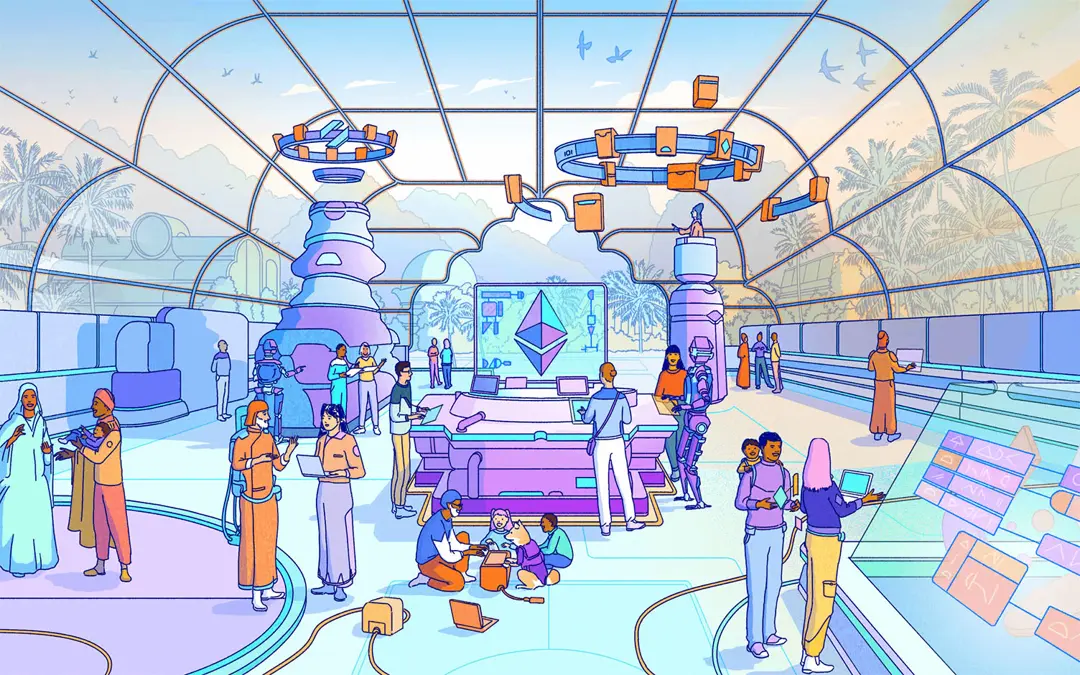
Comparing Four Major Web3 Application Categories
There are no absolute boundaries between these four categories. A metaverse project may combine games, social features, NFT trading, and DAO governance, while a GameFi project may add DeFi functions such as lending, staking, or liquidity pools.
DeFi: On-Chain Finance Without Traditional Intermediaries
DeFi stands for decentralized finance. It uses smart contracts to support activities such as asset swaps, lending, staking, stablecoin issuance, and derivatives trading.
In traditional finance, banks, brokers, or payment institutions safeguard assets, verify identities, and execute transactions. DeFi writes some of these rules into smart contracts, which users call directly through their wallets.
3.1 Decentralized Trading
Decentralized trading protocols allow users to swap on-chain assets directly from their wallets. Trades are commonly completed through liquidity pools or order books, so users do not first need to deposit assets into a centralized trading account.
Users must still verify contract addresses and consider slippage, network fees, and market depth. When liquidity is limited, the execution price can differ significantly from the expected price.
3.2 Lending
DeFi lending protocols let users deposit assets to earn yield or borrow other tokens against collateral. Smart contracts typically enforce lending rules, collateral ratios, and liquidation thresholds.
If the price of collateral falls and reaches the liquidation threshold, the collateral may be sold automatically. On-chain lending therefore should not be treated as a low-risk source of returns.
3.3 Staking and Liquidity Mining
Some protocols reward users who provide liquidity or stake assets. Returns may come from trading fees, borrower interest, or project-token incentives.
Users should look beyond the annual percentage yield displayed on a page. They should also evaluate token-price volatility, impermanent loss, lock-up periods, smart-contract security, and whether rewards are sustainable.
Ethereum is an important network in the DeFi ecosystem, and ETH is often used to pay on-chain transaction fees. See the Ethereum asset page for basic asset and market information.
GameFi: Combining Games with On-Chain Assets
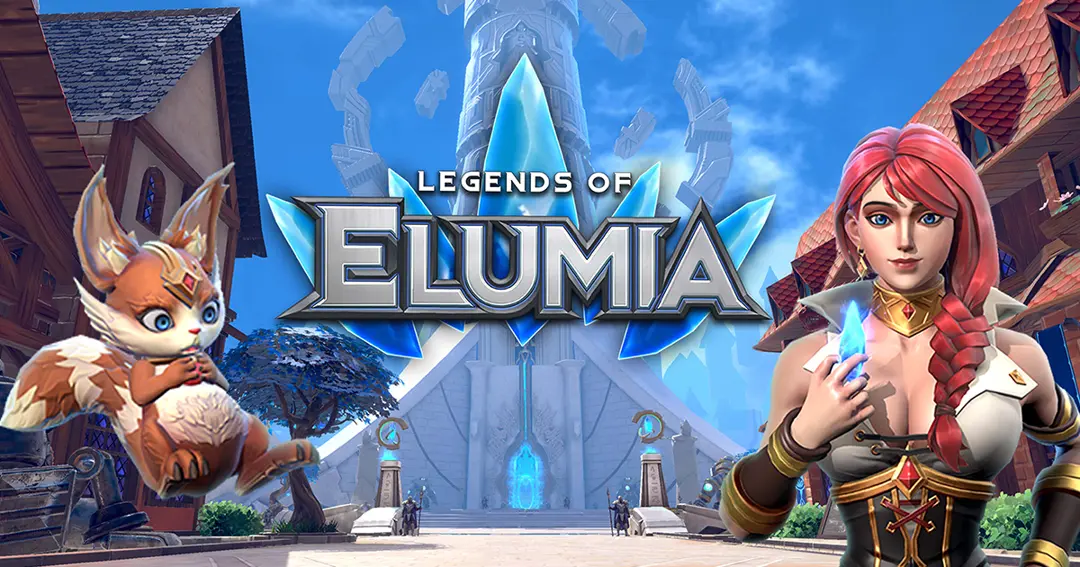
GameFi combines the words game and finance. It generally refers to games that incorporate tokens, NFTs, or an on-chain economic system.
Characters, skins, and equipment in conventional online games are usually recorded on the game company's servers. Players receive the right to use them under platform rules, while the operator decides whether they can be traded or transferred.
GameFi attempts to record some in-game assets as tokens or NFTs on a blockchain. Players can hold, transfer, or trade those assets through their wallets.
4.1 Common GameFi Assets
- Game-character NFTs
- Weapon, clothing, and item NFTs
- Virtual land
- Game-governance tokens
- Quest or competitive-reward tokens
- Guild memberships and event passes
4.2 Play-to-Earn and Play-and-Earn
Early GameFi projects often used a play-to-earn model to attract users. Players earned tokens through gameplay and then traded those tokens or exchanged them for other assets.
If rewards depend mainly on continued purchases by new users while token supply keeps increasing, however, the economic system may be difficult to sustain. More projects now emphasize play-and-earn, putting the game experience first and treating on-chain rewards as a supplement.
4.3 GameFi Does Not Guarantee Permanent Utility
Even when a character or item is stored in a wallet as an NFT, a project may stop development, shut down its game servers, or remove the asset's utility. The user may still hold the NFT, but it can lose its practical use and market demand.
When evaluating a GameFi project, users should consider game quality, development progress, active-user data, token-release schedules, and whether its assets can be used in other applications.
SocialFi: On-Chain Social Networks and the Creator Economy
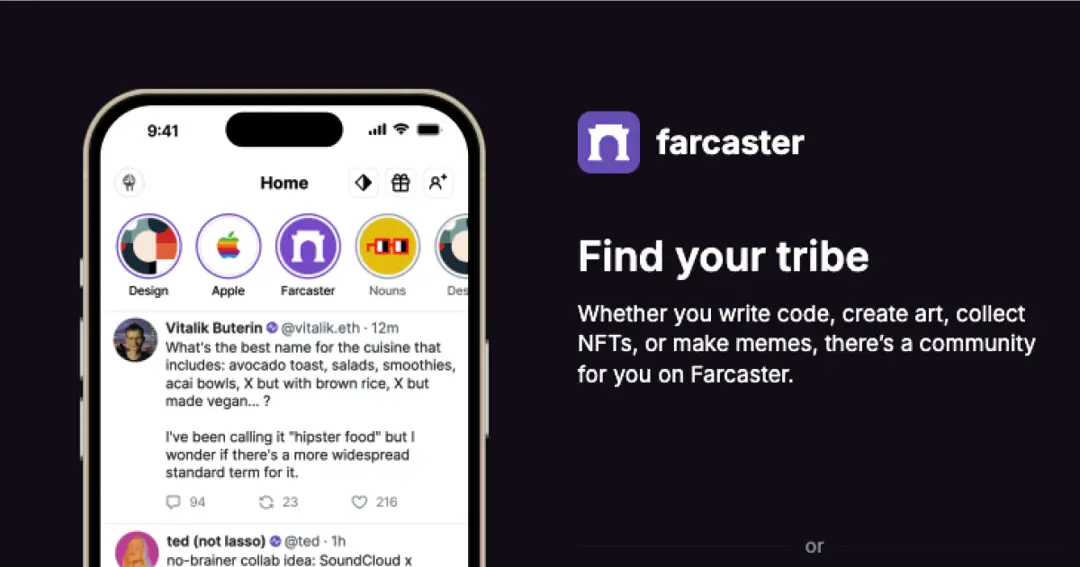
SocialFi combines social networking with finance. It generally describes Web3 applications that bring together social relationships, content creation, community governance, and token incentives.
Conventional social platforms control accounts, follower relationships, and content data. When users leave a platform, they usually cannot carry their identities and follower networks directly into another application.
SocialFi attempts to record identities, follow relationships, or selected content on open protocols. Different front ends can read the same social data, allowing users to use one on-chain identity across multiple applications.
5.1 Common SocialFi Features
- Creating a social identity with a wallet address
- Publishing verifiable on-chain content
- Minting content as NFTs
- Building membership or subscription systems with tokens
- Participating in governance with community tokens
- Tipping creators on-chain
- Moving identities and relationships among social front ends
5.2 Potential Advantages of SocialFi
SocialFi can make accounts and social relationships more portable. Creators may not need to depend entirely on one platform's recommendation algorithm and advertising revenue. They may also receive direct support through subscriptions, tokens, NFTs, or community memberships.
5.3 SocialFi Risks
On-chain information is usually difficult to delete completely, so users should consider privacy before publishing. Token incentives can also encourage artificial engagement, bot accounts, and speculation, turning social relationships into short-term transactions.
In addition, a decentralized underlying protocol does not make every front end decentralized. The websites, moderation systems, and recommendation algorithms that users actually interact with may still be controlled by a specific team.
Metaverse: Persistent Digital Spaces
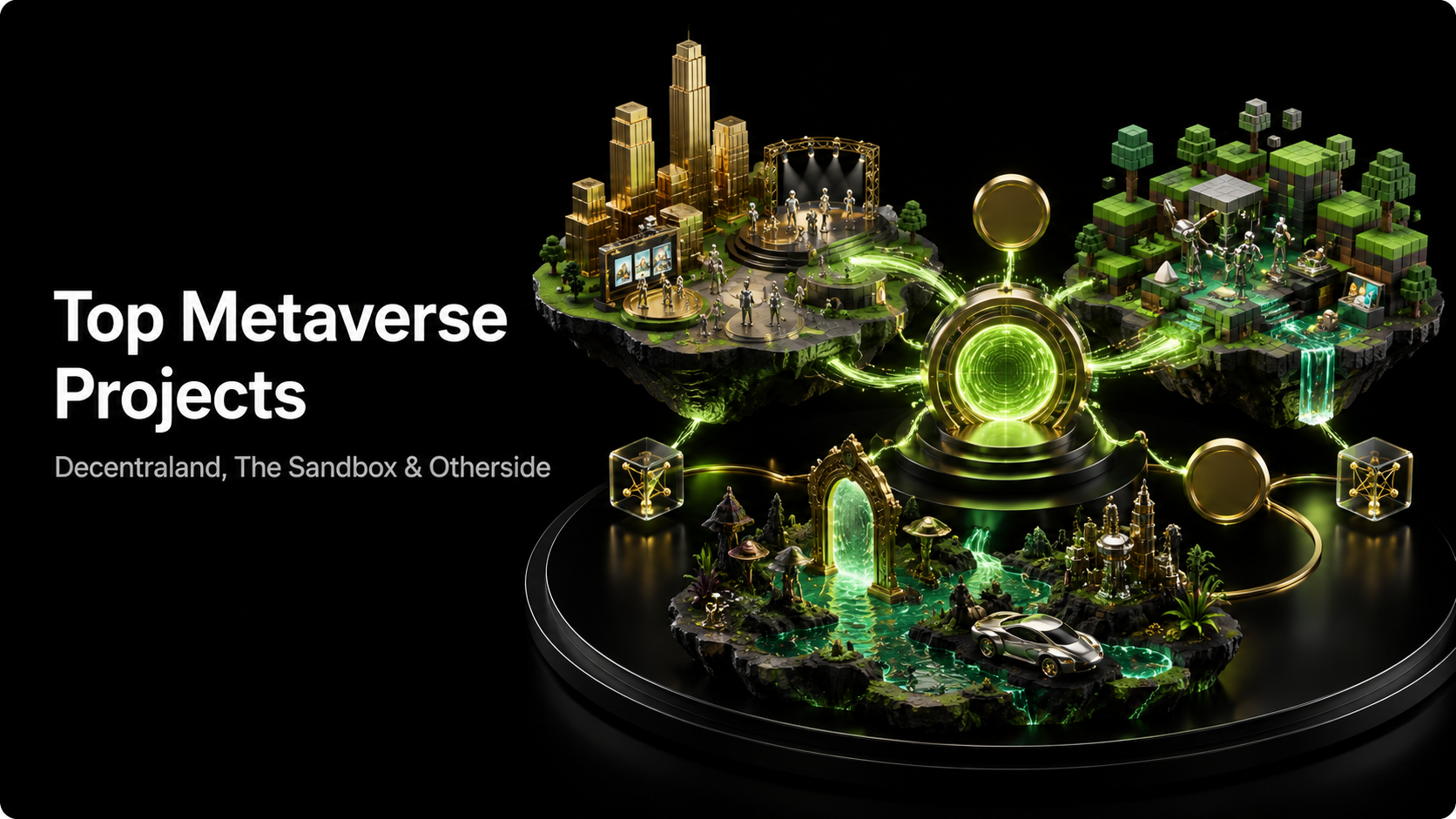
The Metaverse generally refers to virtual spaces that users enter with digital identities and participate in over time. Within these spaces, users can socialize, play, attend events, create content, or conduct commercial transactions.
Not every virtual world is a Web3 application. Conventional online games and virtual communities can also provide multiplayer interaction, digital characters, and virtual goods. The main difference in a Web3 metaverse is that some identities, land, wearables, or governance rights are recorded on a blockchain.
6.1 Virtual Land
Virtual land commonly exists as NFTs that may represent specific areas or rights to use space in a virtual world. Holders may build scenes, host events, or display digital content on the land.
Virtual land is not equivalent to legal ownership of real-world property. Its value depends on project rules, user numbers, building tools, and market demand.
6.2 Virtual Wearables
Virtual clothing, accessories, and avatar items can be represented as NFTs. Users may wear or trade them in virtual worlds that support the relevant assets.
Whether an asset can move across platforms depends on compatible technical standards and visual models. An NFT cannot automatically enter every other virtual world.
6.3 Virtual Events and Social Interaction
The Metaverse can host online concerts, art exhibitions, brand events, conferences, and games. Users enter through avatars and interact with other participants in real time.
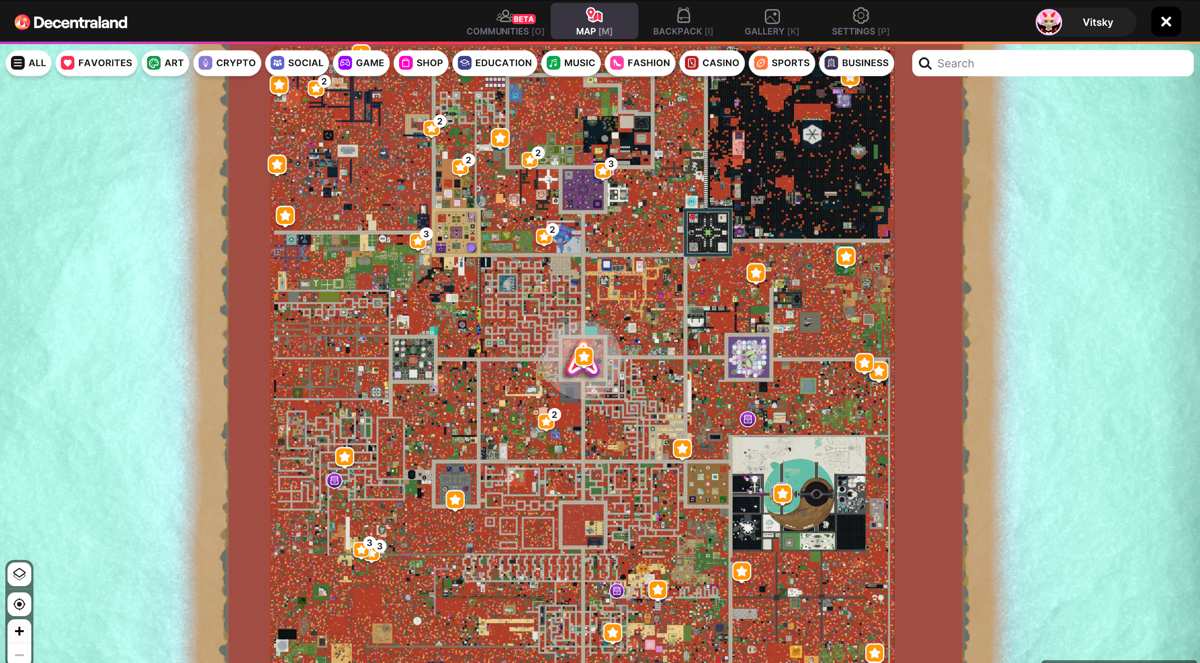
Decentraland is a well-known example of a Web3 virtual world, and its ecosystem uses MANA. See the MANA asset page for basic information and market data.
How Do DeFi, GameFi, SocialFi, and the Metaverse Converge?
Web3 applications are often combined rather than operated in isolation.
┌── DeFi: swaps, lending, and payments │ Integrated Web3 app ────┼── GameFi: gameplay and on-chain items │ ├── SocialFi: identity, community, and creators │ └── Metaverse: persistent digital spaces
For example, a metaverse project may include:
- Virtual land represented by NFTs
- Characters and items with gameplay utility
- Identities and social relationships recorded by a SocialFi protocol
- A DeFi market for asset exchange
- Community governance through a DAO
- Event tickets and digital goods paid for with tokens
This composability can enrich the application experience, but it also increases risk. If an underlying token, cross-chain bridge, oracle, or smart contract fails, several connected functions may be affected.
How Can You Evaluate a Web3 Application?
Users can begin with the following checks.
8.1 Examine Its Real Use
First determine whether the project solves an actual problem rather than merely using labels such as “Web3,” “Metaverse,” or “on-chain social” to market a token.
8.2 Review Its Smart Contracts
Check whether the project publishes official contract addresses, whether the source code is verified, whether it has undergone security audits, and whether the team has powers to pause, mint, freeze, or upgrade contracts.
8.3 Review User and Product Data
For GameFi, SocialFi, and metaverse projects, examine real users, product updates, and community activity. Do not rely only on token prices or social-media follower counts.
8.4 Review Token Economics
Check total and circulating supply, unlock schedules, team holdings, and the source of rewards. High returns may come from short-term token subsidies and do not necessarily mean the project earns sustainable revenue.
8.5 Review Ways to Exit
Before using an application, find out whether assets can be withdrawn freely, whether lock-up periods apply, whether markets have sufficient liquidity, and whether assets would retain utility if the project stopped operating.
How Can You Start Using Web3 Applications?
Users generally need a compatible wallet and the relevant network's gas token.
A basic process is:
- Access the Web3 application through an official channel.
- Verify its domain name and selected network.
- Connect your wallet.
- Read the connection or signature request shown by the wallet.
- Make the first transaction with a small amount.
- Wait for on-chain confirmation.
- Check asset balances and transaction records.
- Revoke permissions that are no longer needed after use.
The Hotcoin Web3 Wallet provides access to on-chain assets and related Web3 features. It is the key recommended link in this article's content architecture.
Users can also download the Hotcoin App to explore the mobile entry point. Regardless of the type of Web3 application, never disclose a seed phrase or private key to anyone.
What Are the Risks of Web3 Applications?
Risks vary among Web3 applications, but common examples include:
- Smart-contract vulnerabilities
- Malicious wallet approvals and phishing websites
- Sharp token-price fluctuations
- Liquidation of collateral in DeFi
- Stablecoin depegging
- Unsustainable GameFi economies
- Permanent disclosure of private information in SocialFi
- Limited liquidity for metaverse land or items
- A project team ending development or operations
- Failures involving cross-chain bridges, oracles, or front-end services
Before using a Web3 application, users should understand its functions and risks. The use of a blockchain, NFTs, or smart contracts does not by itself make a project safe or valuable as an investment.
Conclusion
DeFi, GameFi, SocialFi, and the Metaverse represent major Web3 application directions in finance, entertainment, social networking, and digital spaces.
DeFi lets users access on-chain financial services through smart contracts. GameFi makes some characters and items into wallet-held assets. SocialFi seeks to make identities and social relationships more portable. The Metaverse brings digital identity, assets, and community activity into persistent virtual spaces.
These applications can be combined, but more complex applications depend on more smart contracts, tokens, and external services, which can increase potential risk. Users should evaluate real utility, product experience, contract permissions, token economics, and ways to exit.
Visit the Hotcoin website for platform information and to explore products suited to your needs.
Recommended
View more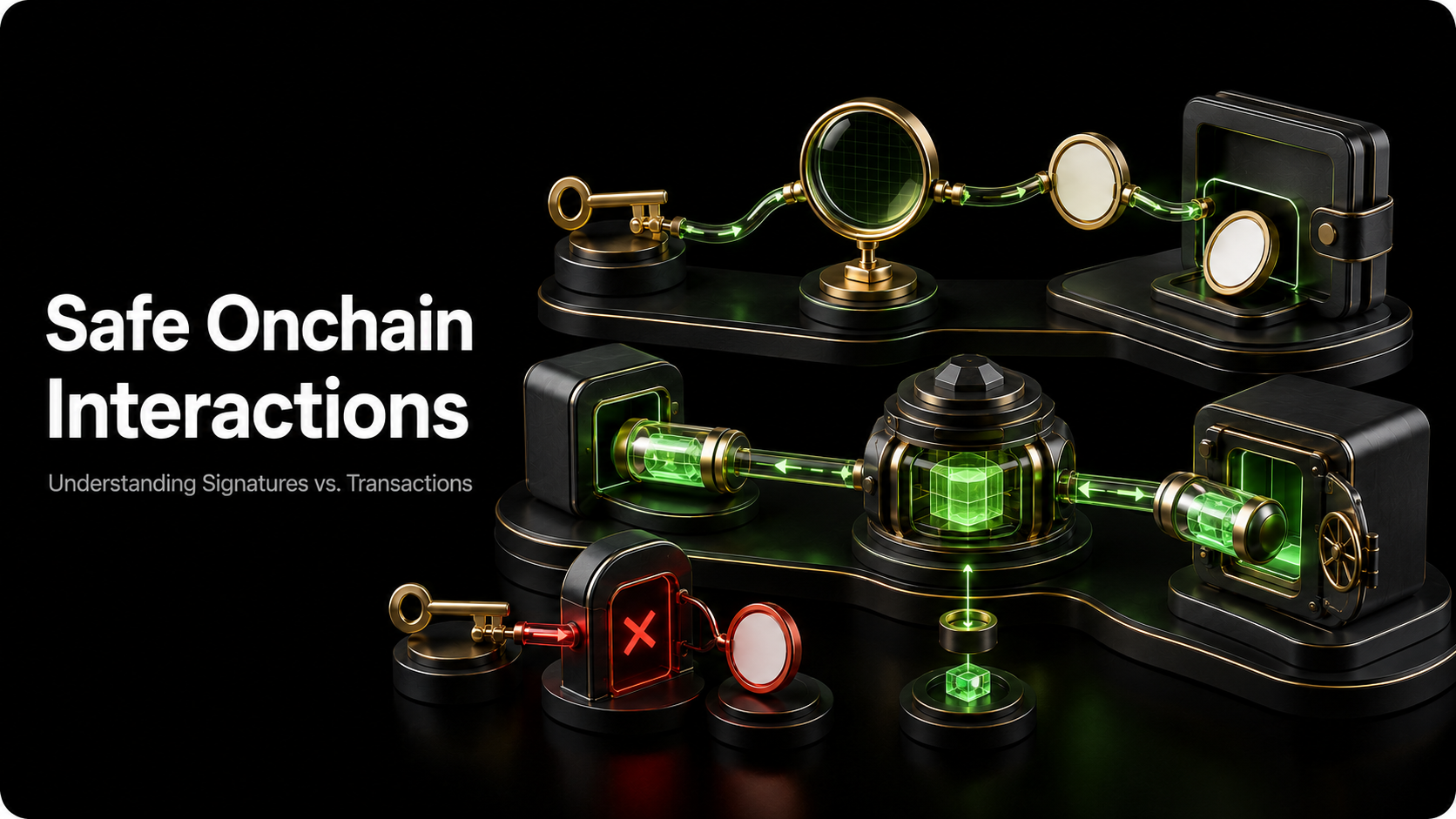

service hotcoin.com
producthotcoin.com
businesshotcoin.com
casecnhotcoin.com