
What Is Web3? A Complete Guide to the Next Generation of the Internet
Web3, or Web 3.0, describes an important direction in the internet's evolution. In simple terms, Web1 was a static, “read-only” information network; Web2 became a platform-driven, “read-write” social web; and Web3 is developing into a decentralized value network where people can “read, write, and own.”
This does not mean Web3 will immediately replace today's internet. It is better understood as a new layer built with blockchains, cryptography, smart contracts, and digital wallets, allowing users to control certain on-chain assets, credentials, and signing permissions. This guide explains Web3 through the evolution of the internet, its principles, technology stack, applications, identity and wallet systems, and its risks and security requirements.
1. What Is Web3?
In the Web2 era, internet platforms hold practical control over most online data, accounts, and digital rights. Users create content and interact, but distribution, account access, data use, and monetization are largely determined by platform rules.
Web3 attempts to redesign that relationship. A blockchain maintains shared state across multiple nodes; smart contracts process transactions and rules according to code; and a crypto wallet lets a user prove control of an address through a private key or another signing method. Users can therefore carry on-chain assets and credentials between compatible networks and applications without relying entirely on one platform's database.
Ownership also brings responsibility. Mishandling wallet keys, contract approvals, transaction addresses, or network selection can cause irreversible losses. Web3 offers verifiable digital ownership and open interaction; it does not mean a world without risk, intermediaries, or privacy trade-offs.
For a detailed comparison of data control, digital assets, and governance, see Web3 vs. Web2: Key Differences in Data Ownership, Privacy, and Freedom.
2. From Web1 to Web3: How Internet Ownership Evolved
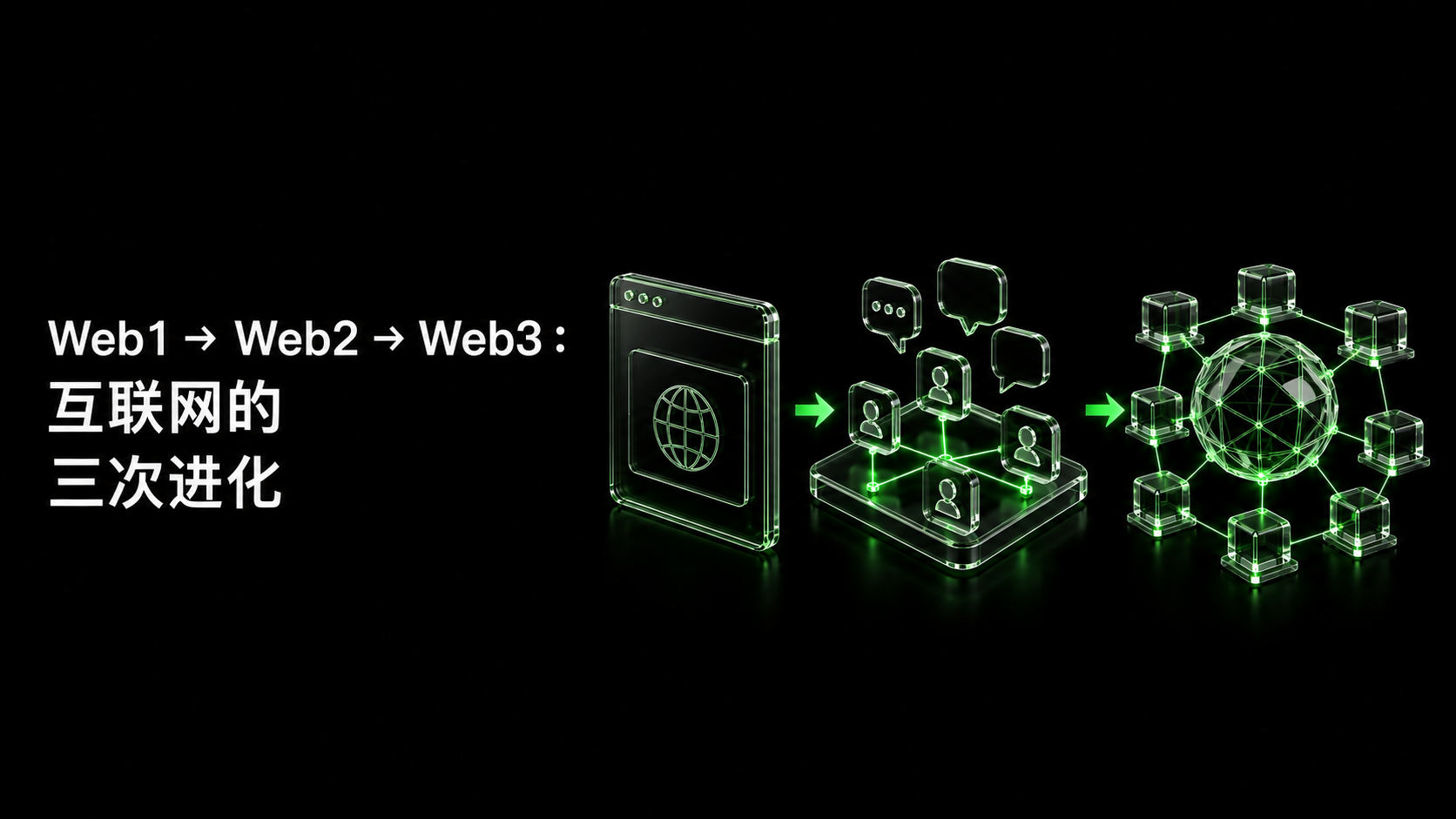
“Read-only, read-write, and read-write-own” is a useful summary, not a rigid classification for every website. Web1 already had forums and email, while today's Web3 applications still rely heavily on Web2 front ends, mobile operating systems, and cloud services.
2.1 Web1: Read-Only and Open Information
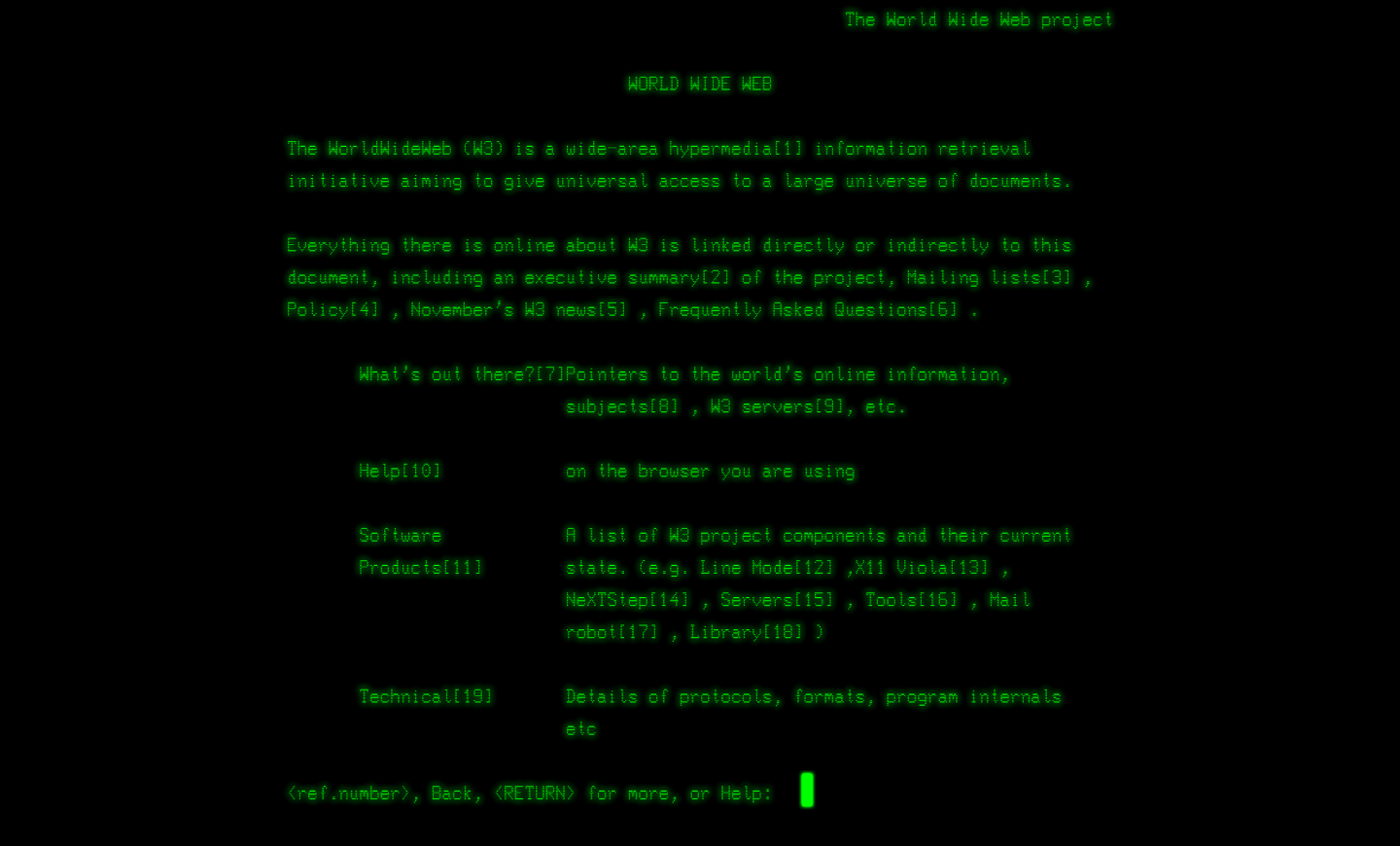
Web1 was the early stage of the World Wide Web. Pages were mainly static HTML files, content was usually published by site administrators, institutions, and professional creators, and most people participated as readers. Open standards such as HTTP, URLs, and HTML laid the foundation for global access and hyperlinks.
2.2 Web2: Read-Write Interaction and Platform Networks
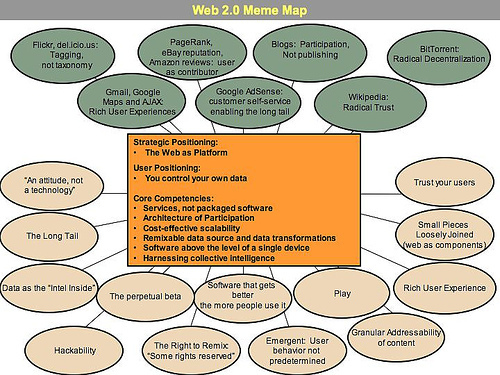
As dynamic databases, broadband, smartphones, and cloud computing became widespread, Web2 enabled ordinary users to publish, comment, share, and build social connections. Platforms provided accounts, storage, recommendations, moderation, payments, and security, making online services much easier to use.
At the same time, accounts, social graphs, and in-platform digital items are usually recorded in centralized databases. Whether users can access, move, or monetize them depends on a platform's technical and service rules.
2.3 Web3: Read-Write-Own and Verifiable State
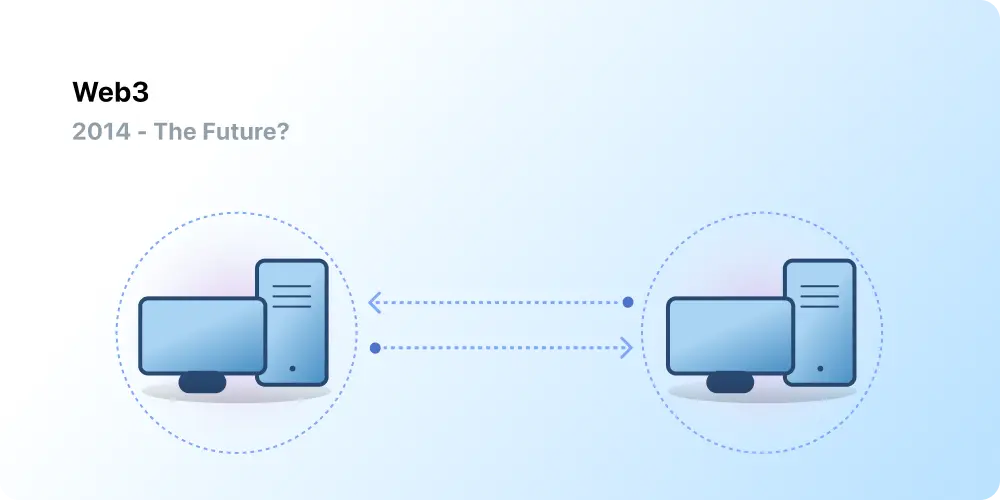
Web3 combines Web1's open-protocol ideals with Web2's rich interaction, then adds blockchains, digital signatures, and verifiable ownership. Some asset balances, transaction records, and contract states are maintained by blockchain nodes; users can connect to compatible applications through wallet signatures; and tokens and NFTs can be held directly by user-controlled addresses.
Web3 is unlikely to replace Web2 completely in the foreseeable future. Long-term integration is more likely: Web2 technologies can deliver smooth web and mobile experiences, while Web3 technologies handle asset settlement, credentials, or contract rules that benefit from public verification. For more detail, see Web1 → Web2 → Web3: The Internet's Three Evolutions.
3. The Core Principles of Web3
Web3 is not a single technology. It is a set of ideas centered on open networks, digital ownership, and verifiable rules:
- Decentralization: Some data, asset records, and application logic are distributed across networks maintained by multiple nodes, reducing the risks of a single point of failure or control. Decentralization exists on a spectrum and does not mean every project has no administrators or centralized components.
- Permissionless access: On public blockchains, users can usually read on-chain data or call public smart contracts with a compatible wallet address instead of first applying for an account with one platform. Some front ends and services may still impose geographic or compliance restrictions.
- Trust minimization: Users do not have to depend only on a company's promises because some rules can be executed by public smart contracts and verified through blockchain records. Code, oracles, front ends, and administrative privileges must still be assessed.
- Native value transfer: Blockchains can directly record transfers of tokens, NFTs, and other digital assets, enabling peer-to-peer exchange. Users still face network fees, address errors, contract vulnerabilities, and market volatility.
4. The Web3 Technology Stack
A complete Web3 application typically combines blockchains, smart contracts, wallets, decentralized storage, oracles, and an application front end.
4.1 Blockchains and Smart Contracts
A blockchain can be viewed as Web3's shared state database. It records wallet addresses, asset balances, transactions, and smart contract state. Ethereum (ETH) introduced a smart contract system capable of complex program logic, enabling developers to deploy tokens, trading protocols, lending applications, NFTs, and DAOs.
A smart contract is a program deployed on a blockchain. When a user submits a transaction that meets predefined conditions, it performs the coded action. Not all contracts are permanently immutable: some include upgrades, pause controls, or administrator privileges. Users should review audits, permission structures, and the actual interaction they are signing.
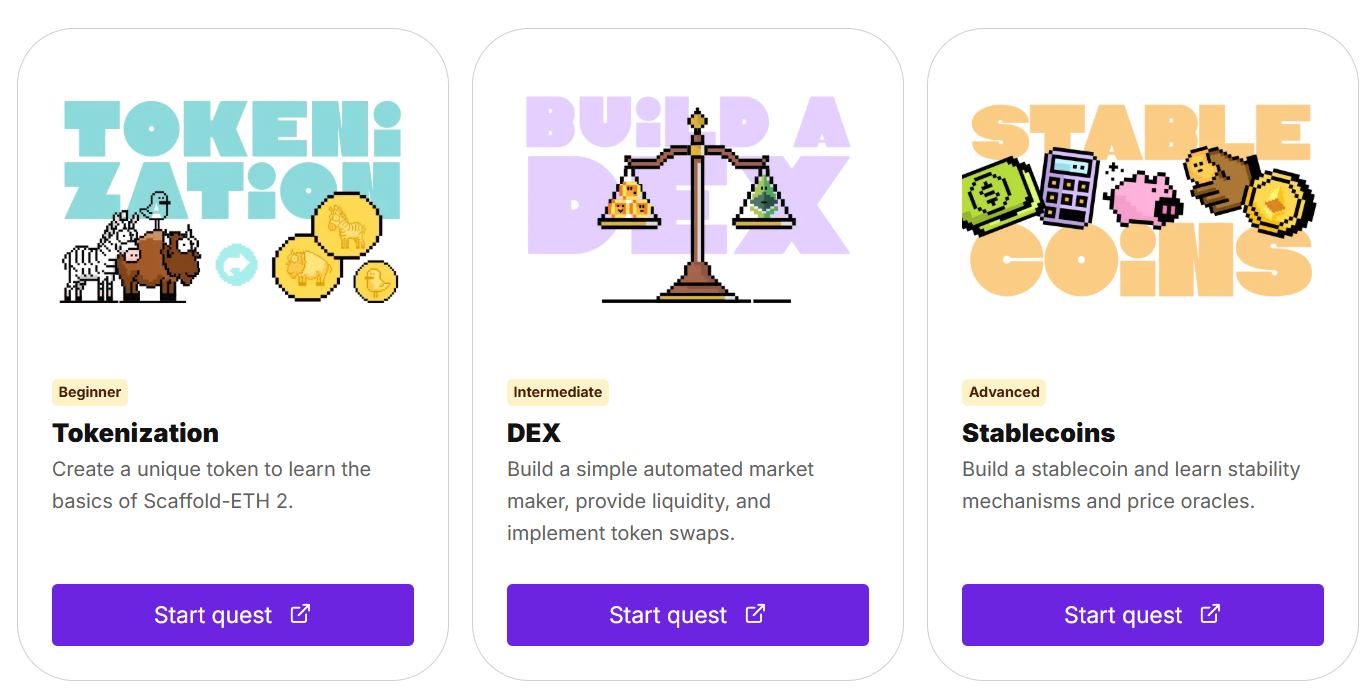
4.2 Decentralized Storage and Oracles
Blockchains are not well suited to storing large images, videos, or website files directly. Some applications use protocols such as IPFS or Arweave for off-chain content, then record a content identifier or verification data on-chain.
Smart contracts also cannot independently determine real-world asset prices, weather, sports results, or economic data. Some applications use oracles to transmit external data to a blockchain. An oracle's accuracy, sources, and resistance to manipulation can directly affect application security.
For an overview of how these layers work together, see The Core Web3 Technology Stack: Blockchains, Smart Contracts, and Decentralized Storage.
5. Major Web3 Use Cases
Web3 now covers finance, games, digital collectibles, social networks, identity, and organizational governance:
- Decentralized finance (DeFi): Users can swap tokens, borrow against collateral, provide liquidity, stake assets, and trade derivatives through smart contracts. DeFi reduces reliance on some traditional intermediaries but introduces contract, liquidation, and liquidity risks.
- Digital ownership and NFTs: NFTs can represent digital art, in-game items, memberships, tickets, or other unique assets. Holding an NFT does not automatically grant copyright or ownership of an associated real-world asset.
- Blockchain games (GameFi): GameFi combines characters, equipment, tokens, and NFTs so that some game assets can be held and transferred through player wallets.
- Decentralized social networks (SocialFi): SocialFi places social identity, content rights, and creator rewards in open protocols, allowing users to retain some social data and digital credentials.
- Decentralized autonomous organizations (DAOs): DAOs commonly use tokens, NFTs, or on-chain credentials to allocate proposal and voting rights, with smart contracts managing some funds and governance processes.
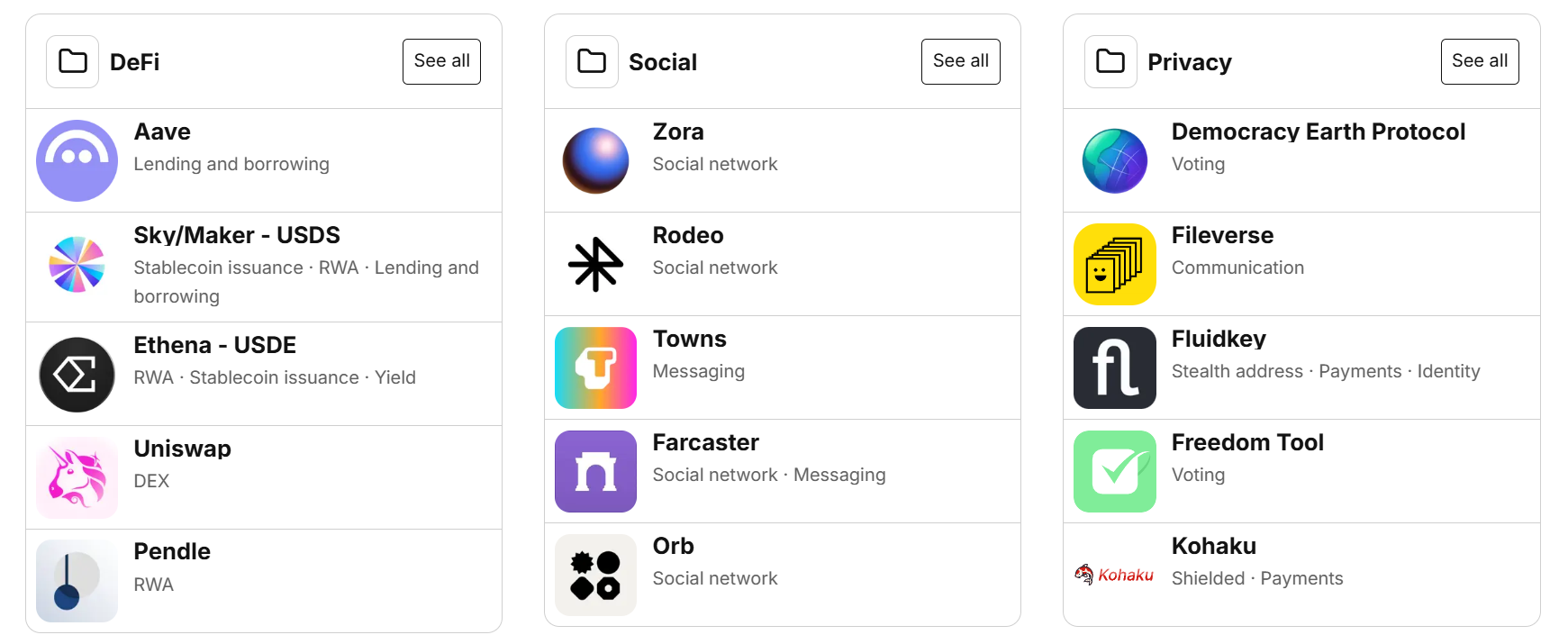
For more examples, see Web3 Use Cases: DeFi, GameFi, SocialFi, and the Metaverse.
6. Web3 Identity, Domains, and Wallets
Web3 is not limited to digital assets. It also seeks to create identity, naming, and wallet systems that can work across applications.
6.1 Decentralized Identity (DID)
Decentralized identity lets users prove identity or eligibility through wallets, on-chain credentials, and digital signatures, reducing dependence on one platform account. DID does not mean publishing all identity documents and personal data on-chain. Practical systems often combine verifiable credentials with selective disclosure to prove only that a requirement is met. See Web3 Identity (DID): The Vision of Self-Sovereign Identity for more detail.
6.2 ENS and Web3 Domains
Standard wallet addresses are long strings of letters and numbers that are difficult to remember and verify. Naming systems such as ENS can map a recognizable name to a blockchain address—for example, resolving “name.eth” to a wallet. Similar names do not prove that addresses belong to the same person, so users must verify the full resolved address before sending assets. See Web3 Domains: The Value and Use of ENS and .eth.
6.3 MPC Wallets and AA Smart Contract Wallets
Traditional wallets are generally controlled by one private key, which is straightforward but creates loss risk if that key is lost or exposed. Multiparty computation (MPC) wallets distribute signing material across multiple parties, reducing exposure to a single key. Account abstraction (AA) smart contract wallets can add social recovery, batched transactions, spending limits, session keys, and sponsored network fees. Learn about their mechanics and trade-offs in A New Web3 Wallet Model: MPC and AA Smart Contract Wallets.
7. Web3 Challenges and Risks
Web3 introduces new models for digital ownership and open networks, but it still faces significant challenges:
- Scalability and cost: Some blockchains become congested and more expensive as transaction volume rises. Layer 2 systems such as rollups aim to improve capacity and reduce cost, but users must still verify their network and bridging route.
- User experience: Creating a wallet, protecting a recovery phrase, selecting a network, and confirming a signature remain complex. A mistake can result in direct asset loss.
- Smart contract security: Contracts may contain code vulnerabilities, misconfigured privileges, oracle failures, or malicious upgrades. An audit cannot guarantee complete safety.
- Privacy: A blockchain address may not display a real name, but public transaction histories can be analyzed and linked to platform accounts or real-world identities.
- Regulation and law: Requirements for tokens, DeFi, NFTs, DAOs, and on-chain identity vary across countries and regions. Users should understand the rules that apply to them.
- Phishing and unsafe signatures: Impersonation sites, malicious approvals, and unclear signing requests can transfer assets or grant token permissions.
Account abstraction, MPC, zero-knowledge proofs, and Layer 2 networks are improving recovery, privacy, and transaction costs, but they do not automatically eliminate contract vulnerabilities, phishing, or signing mistakes.
Users can reduce risk with these practices:
- Enter products only through the Hotcoin official website and the Hotcoin App download page.
- When using the Hotcoin Web3 Wallet or another wallet, keep recovery credentials securely offline and never share a recovery phrase or private key.
- Confirm that sender and recipient use the same network and check the complete address before transferring.
- Test with a small amount before a first transfer, swap, or connection to a new application.
- Reject token approvals, message signatures, and transaction requests you do not understand.
- Review and revoke contract permissions you no longer need.
8. Frequently Asked Questions
Are Web3 and cryptocurrency the same thing?
No. Cryptocurrency is one kind of digital asset in the Web3 ecosystem. Web3 also includes blockchains, smart contracts, wallets, decentralized storage, digital identity, naming systems, and open application protocols.
Will Web3 completely replace Web2?
Not in the near term. Most Web3 applications still need Web2 websites, mobile systems, cloud services, and content delivery. A long-term combination is more realistic, with each approach handling the tasks it suits best.
Does “permissionless” mean there are no restrictions or risks?
No. A public smart contract may be callable without registering on a platform, but front-end services may apply geographic or compliance restrictions. Users still face network fees, contract risk, market risk, address errors, and unsafe signatures.
How can a beginner start using Web3 more safely?
Install applications through official channels, learn how wallet addresses, networks, network fees, and signatures work, and test with a small amount. Never share a private key or recovery phrase, and do not approve a request you do not understand.
Recommended
View more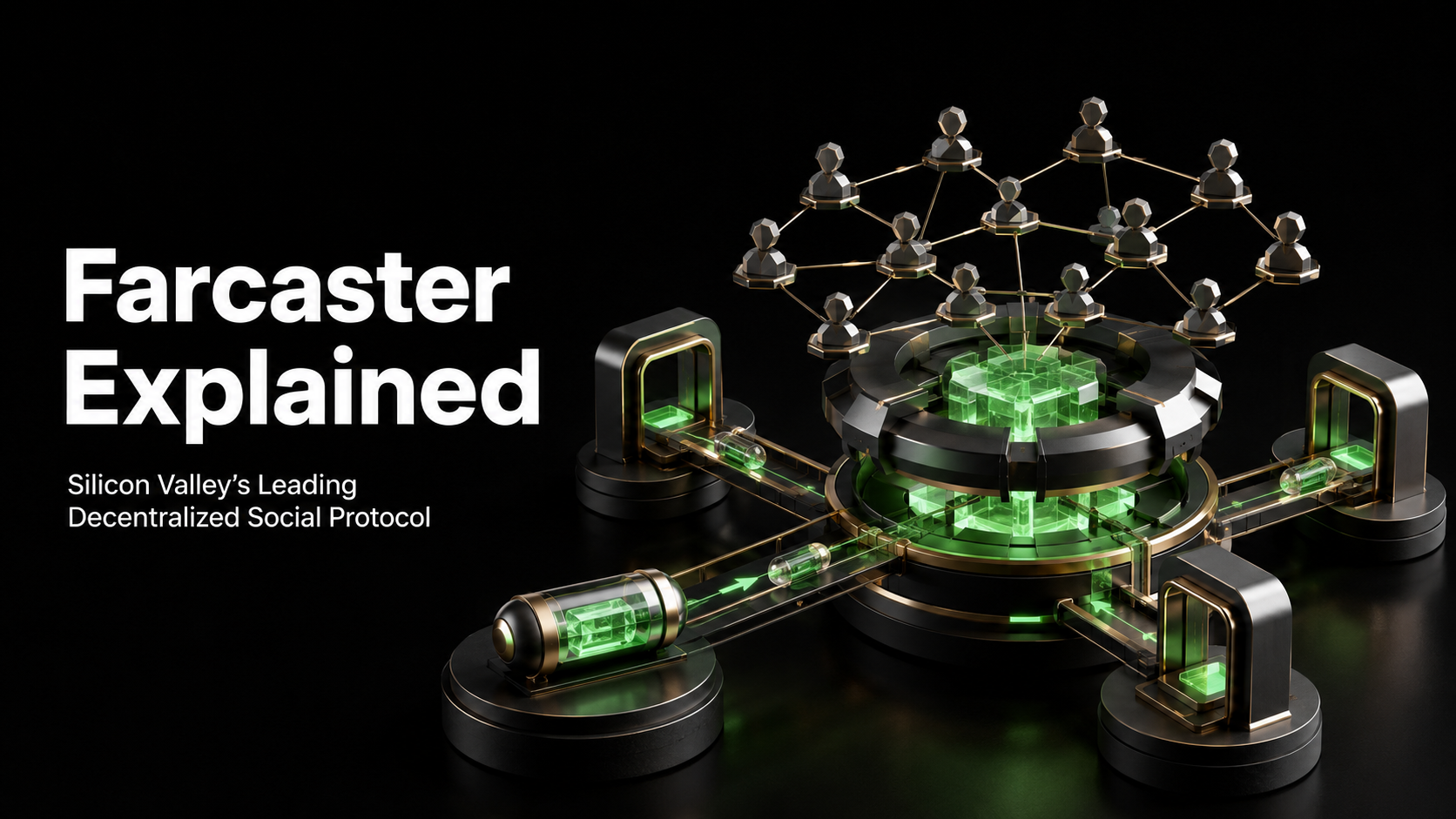
service hotcoin.com
producthotcoin.com
businesshotcoin.com
casecnhotcoin.com