
What is a Dutch Auction?
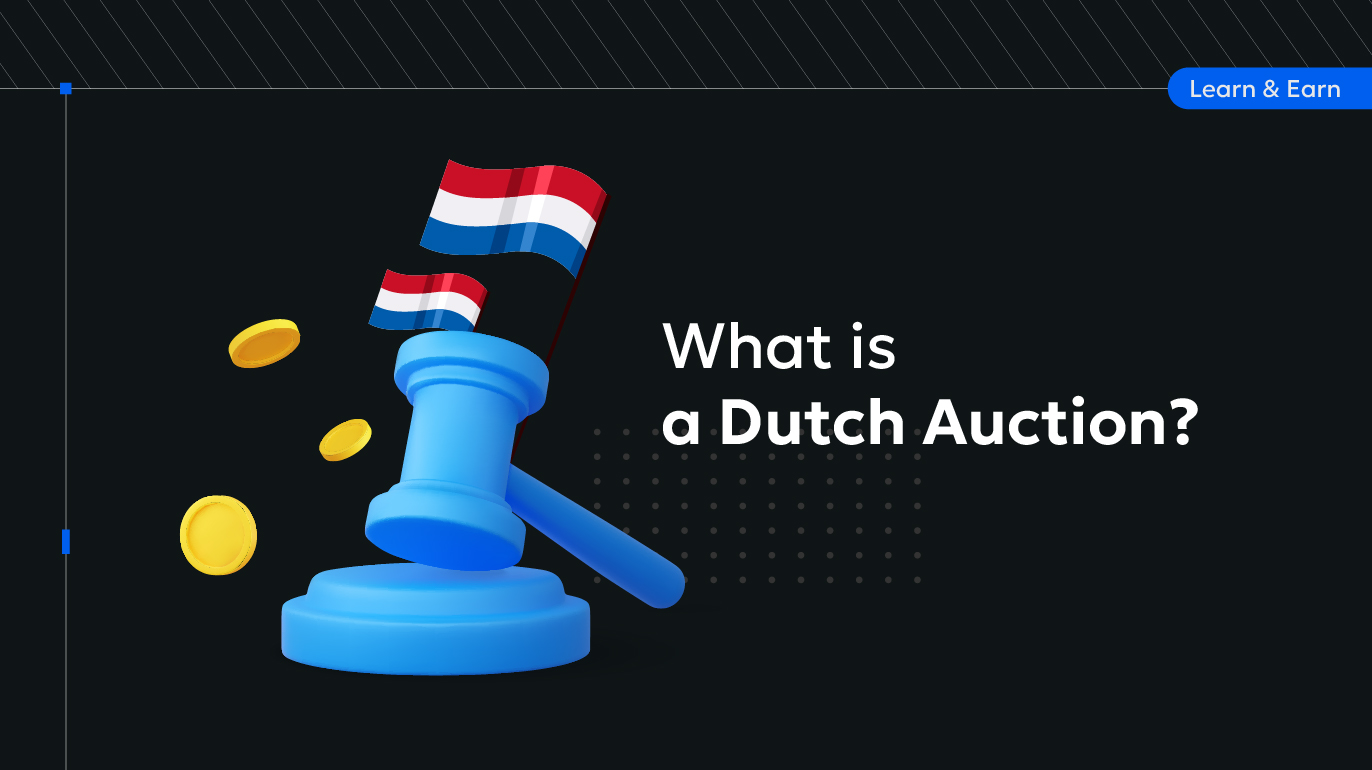
A Dutch auction, also known as a reverse auction or descending price auction, is a distinctive auction method where the price starts high and gradually decreases until a buyer accepts the current price or the auction reaches a predefined minimum. Unlike the more common English auction, where prices are bid upward, a Dutch auction begins with a high starting price set by the seller and lowers it incrementally over time.
How It Works:
Initial Pricing: At the beginning of the auction, the seller sets a relatively high starting price, typically higher than market expectations.
Price Reduction: If no bids are placed, the auctioneer (or system) gradually reduces the price at predetermined intervals.
Buyer's Acceptance: The first buyer willing to accept the current price ends the auction, purchasing the item at that price.
Auction Termination: If the price drops to a pre-established minimum reserve price without any bids, the auction may end without a sale.
Advantages:
High Efficiency: Quickly discovers the price the market is willing to pay, ideal for bulk sales or time-sensitive items.
Fairness: Prevents bidding wars and gives early bidders a better chance at securing a fair deal.
Price Discovery: Helps sellers gauge real market demand for their product.
Disadvantages:
Buyer Pressure: Buyers must act quickly as prices fall, risking overpayment or missing a better deal if they wait too long.
Seller Risk: If the starting price is set too high or drops too fast, the final sale price may be lower than expected.
Applications in Cryptocurrency:
Dutch auctions are increasingly used in blockchain and crypto projects. For example, token launches may adopt this model to avoid excessive early speculation, while NFT creators use it to test genuine demand. This approach is especially effective for rapidly clearing assets and establishing transparent, market-driven pricing.
Leitura recomendada
Veja mais



Service@hotcoin.com
Product@hotcoin.com
Business@hotcoin.com
Casecn@hotcoin.com