
Trading Fee Explanation
Trading fees are the platform fees charged when you complete spot or futures trades on Hotcoin. In most cases, the fee depends on whether the order is a Maker or a Taker, the product type, and the account level.
Many users focus only on buy and sell prices, while overlooking the impact of trading costs on the final result. In reality, trading fees directly affect net performance for spot users, futures users, and especially higher-frequency traders. Understanding the fee structure is not only about saving money. It is also about understanding the true cost of every trade.
What is a trading fee?
A trading fee is the transaction cost charged by the platform once an order is filled. It is different from a deposit cost and different from an on-chain withdrawal fee. A trading fee is tied specifically to completed buy or sell execution within the platform, so it directly affects the net cost and final profitability of a trade.
Why do trading fees matter so much?
Because trading fees are part of every trade’s actual cost. Even if your market direction is correct, repeated entries and exits or larger order sizes can make cumulative fees materially affect net returns. For active traders, fee structure can even influence whether a strategy remains viable over time.
What are Maker and Taker orders?
A Maker order adds liquidity to the market by entering the order book first and waiting to be matched. A Taker order removes liquidity by immediately matching against orders already resting in the book. In simple terms, a Maker waits for execution, while a Taker executes against current market liquidity. These two roles usually come with different fee rates.
Why are Maker and Taker fee rates different?
Because Maker orders help build market depth, while Taker orders consume available liquidity. To encourage stronger order book liquidity, many exchanges offer lower fees for Maker orders, while Taker fees are typically higher. This structure matters on Hotcoin in both Spot and Futures, because it directly affects trading cost.
How can users check trading fees on Hotcoin?
If you want to see the current official fee schedule, you can go directly to Hotcoin Fee Rate. This page shows relevant fee structures for Spot, Futures, Withdrawal, and related areas. For most users, checking the fee standard before trading is far more useful than discovering costs afterward.
How are Hotcoin futures fees structured?
According to Hotcoin’s official fee explanation, futures fees are generally separated into Maker and Taker rates. The baseline rate for standard users is shown in the official fee page and related FAQ, while higher VIP levels may qualify for lower fees. This means futures fees are not one fixed number. They depend on order role and account level.
Are Hotcoin spot fees also split into Maker and Taker?
Yes. Spot trading on Hotcoin also distinguishes between Maker and Taker. In general, limit orders are more likely to enter the book as Maker orders, while market orders are more likely to be filled immediately as Taker orders. That is why order type affects not only execution style, but also trading cost.
Why do market orders often feel more expensive?
Because market orders are more likely to execute immediately as Taker orders, and Taker fees are usually higher than Maker fees. In fast-moving conditions, slippage may also increase the total effective trading cost. For that reason, the user’s “cost feeling” often includes both fee rate and execution effect.
Why does VIP level affect trading fees?
Because Hotcoin offers differentiated fee schedules and benefits based on account level. Standard rates typically apply to base-level users, while higher VIP levels may receive lower trading fees and additional benefits. For users who trade frequently, understanding the link between VIP level and fees matters more than looking only at one single trade.
Are trading fees the same as funding fees?
No. Trading fees are charged when an order is executed, while funding fees are periodic settlement payments between long and short sides in the futures market. Both can affect actual futures PnL, but they come from different mechanisms and should not be treated as the same cost item.
Conclusion
The essence of a trading fee is the cost you pay for completed execution inside the platform. For Hotcoin users, what matters is not only the fee number itself, but also the difference between Maker and Taker, the way order type changes cost, and the way account level affects long-term trading efficiency. Understanding those layers leads to a more accurate reading of actual results.
FAQ
Is a trading fee the same as a withdrawal fee?
No. A trading fee is charged when an order is executed inside the platform. A withdrawal fee is charged when assets are sent out to the blockchain or another platform. They are different categories of cost.
Why do market orders often feel more expensive?
Because market orders usually execute as Taker orders, and Taker fees are often higher than Maker fees. In fast-moving conditions, slippage can also make the total effective cost feel even higher.
How can I check the latest Hotcoin fee standard?
You can directly review the Hotcoin Fee Rate page. Checking current Spot, Futures, and related fee structures before trading is the most reliable approach.
Lectura recomendada
Ver más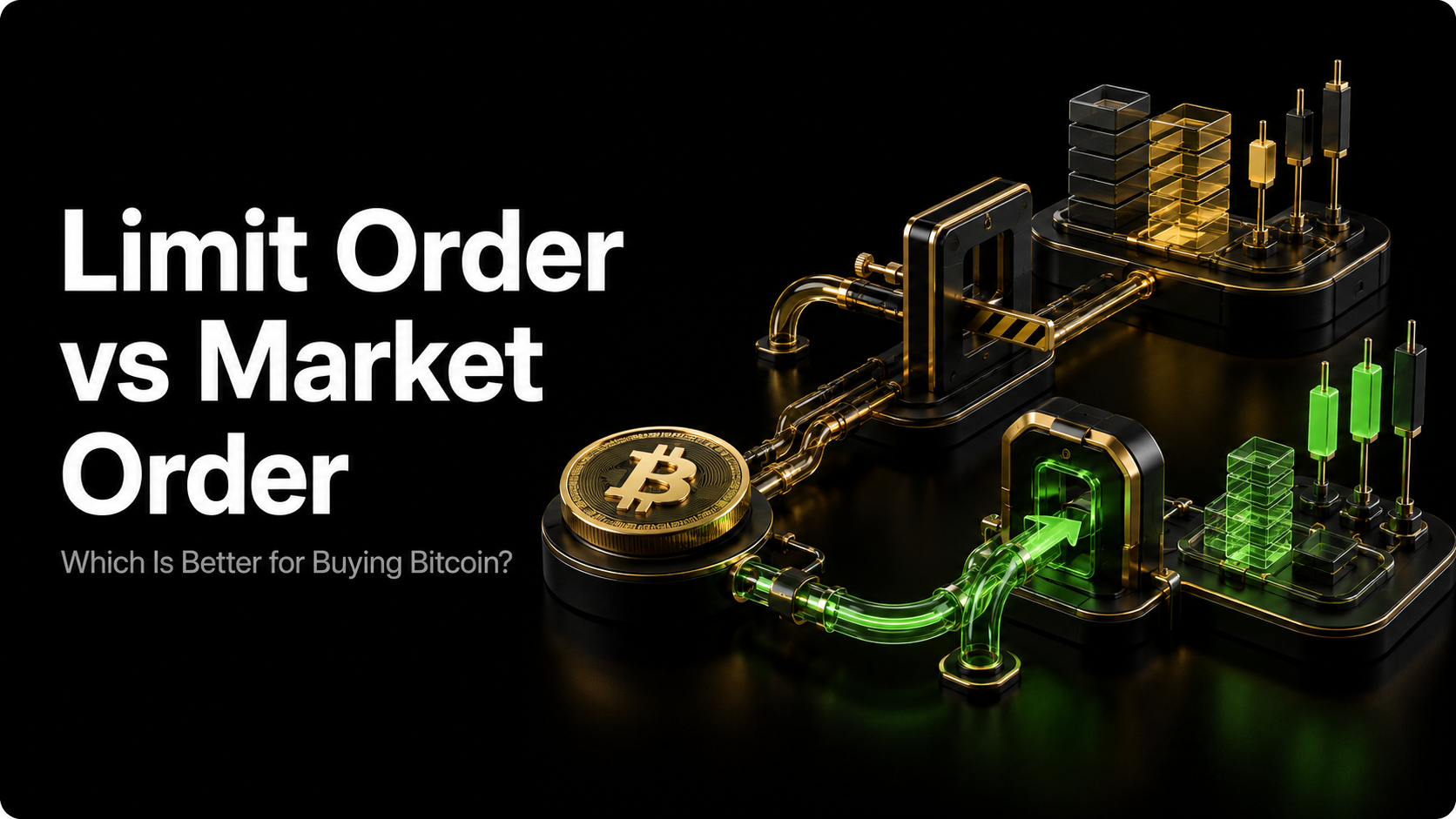
service hotcoin.com
producthotcoin.com
businesshotcoin.com
casecnhotcoin.com