What Does Bitcoin Look Like? From Wallet Balances to Physical Coins
What Does Bitcoin Look Like?
Bitcoin has no physical shape. When you use it, you usually see a BTC balance in a wallet, a receiving address or a transaction record. The gold coin in a photograph represents Bitcoin; it is not the digital asset itself. Knowing which representation you are looking at helps you understand what you own, what a payment request asks for and whether a transfer has arrived.
Does Bitcoin Have a Physical Form?
There is no metal coin, banknote or individual coin-shaped file that must change hands when you send Bitcoin. The network records transactions, and wallet software turns those records into balances and payment controls. Bitcoin.org's FAQ describes it as virtual: the amount you can spend is tracked digitally rather than contained in a physical object.
The familiar symbol, ₿, is a capital B with two vertical strokes. It often appears in an orange circle or on a gold-coloured coin. BTC is the ticker shown beside amounts and prices. These visual cues identify the subject; they do not tell you whether an image represents a balance, a payment request or a souvenir.
The amounts and labels above are illustrative, not a real account. The shortened address cannot be used for payment.
What Does Bitcoin Look Like in a Wallet?
A wallet may show a balance such as 0.02000000 BTC, with a dollar estimate underneath. At a hypothetical reference price of $60,000 per BTC, that balance is worth $1,200. At $65,000, the estimate becomes $1,300. The Bitcoin quantity is still 0.02 BTC; only the conversion rate changed. Neither figure is a current quote.
One bitcoin equals 100,000,000 satoshis, commonly shortened to sats. The same 0.02 BTC could therefore appear as 2,000,000 sats. Decimal settings and display units can make the same holding look very different, so read the unit before comparing two screens.
A self-custody wallet manages the keys used to authorise spending and reads the records associated with them. The Bitcoin Developer Guide explains that a balance comes from amounts in unspent transaction outputs, or UTXOs. You do not need to inspect each output to use a wallet; the app adds the relevant amounts together for you.
An exchange account can instead display a customer balance in the provider's internal ledger. That can look much like a self-custody wallet, even though the provider controls the on-chain keys and applies its own withdrawal rules. The interface's BTC label does not tell you who controls spending.
What Does a Bitcoin Transaction Look Like?
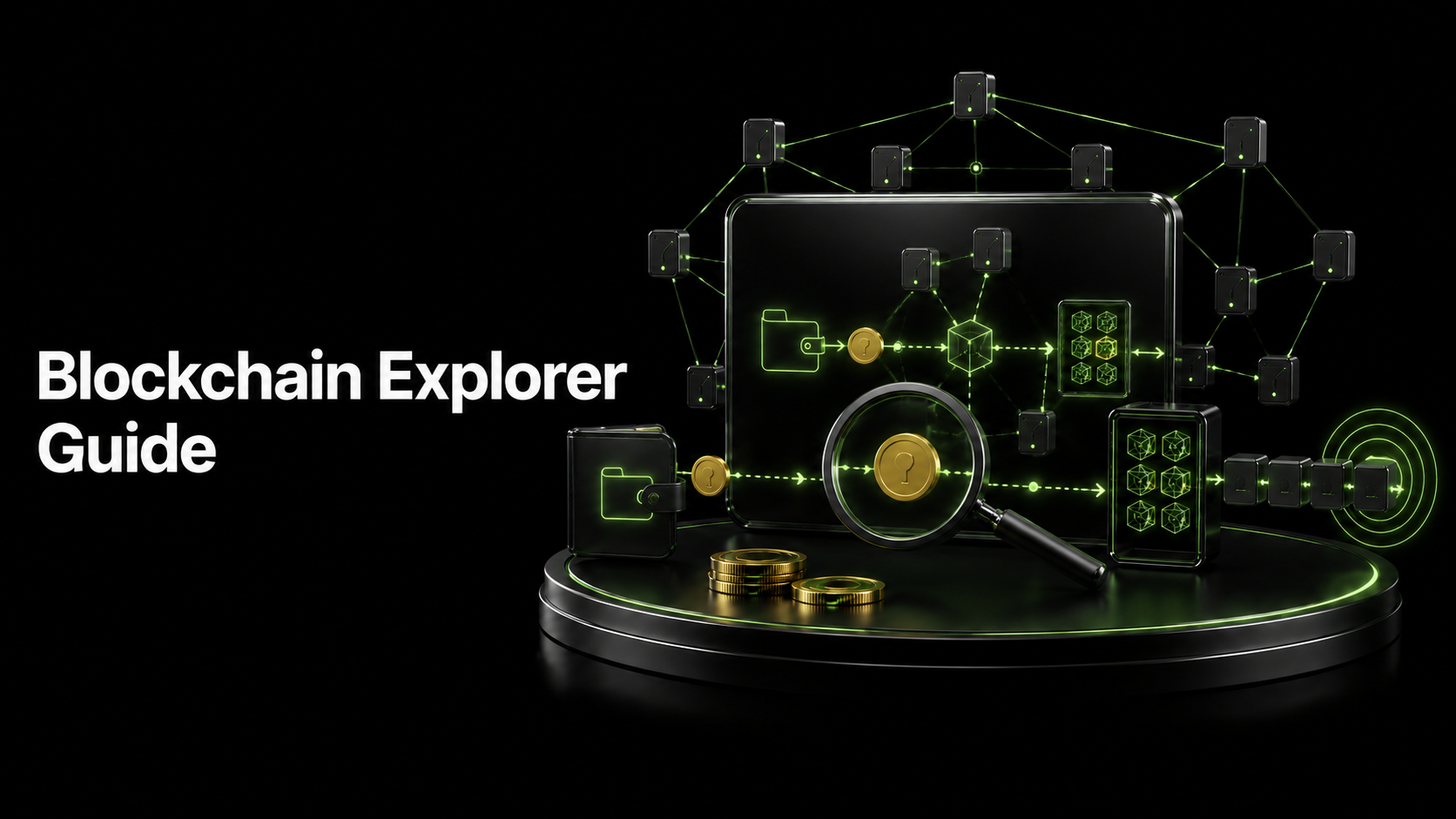
A transaction detail screen usually shows the amount, fee, transaction ID and confirmation status. A public block explorer lets you inspect an on-chain record without opening the sender's wallet. Look for the output intended for the recipient: a transaction can include other outputs, such as change returned to the sender.
Consider an illustrative payment of 0.01 BTC with a separate network fee of 0.00001 BTC. The sender spends 0.01001 BTC in total, while the recipient receives 0.01 BTC, or 1,000,000 sats. A sending app may emphasise the total outflow; the receiving app may emphasise the payment amount. The difference can be the fee, not missing Bitcoin.
Confirmation status explains another difference. An on-chain transaction with zero confirmations has not yet been included in a block. Inclusion gives it one confirmation, and later blocks increase the count. A pending entry can therefore appear before the wallet or exchange treats the incoming amount as available.
Wallet demonstrations on crypto live streaming channels can make these differences easier to see. Follow the BTC amount and status as the presenter moves between screens. A balance page shows a holding; a transaction page explains a particular transfer. Neither should be confused with a price chart.
What Do a Bitcoin Address and QR Code Look Like?
A Bitcoin receiving address is a string of letters and numbers. For example, an address preview might begin bc1q…; other address formats look different. Wallets often shorten addresses on summary screens and reveal the full string in payment details. Use the complete address from the intended recipient, not a shortened preview or a visual resemblance.
A receiving QR code is a square pattern that makes payment information machine-readable. It may encode only an address, or a request containing an address and amount. Bitcoin Design's Payment Request Formats guide explains this distinction. The pattern changes when the encoded information changes; it is not a picture of the Bitcoin being sent.
After scanning, the wallet may fill in the destination while leaving the amount blank, or prefill both. Read the decoded details before signing or sending. Scanning a receiving code enters information; it does not itself mean a payment has been made.
Check the complete destination, amount and network against the recipient's instructions. A generic QR code can also open a website or request another action, so inspect what the app actually proposes. A familiar Bitcoin logo beside the code does not identify its owner.
A receiving address is information you can give a sender. A recovery phrase or private key is different: it can provide control over funds. You do not need to disclose either secret to receive a Bitcoin payment or search for a transaction.
Are Physical Bitcoin Coins Real Bitcoin?
Most coin images show a representation of Bitcoin: a metal disc with the symbol, decorative circuitry or a denomination stamped on it. Bitcoin Design's Visual Language guide traces the community's coin icons and orange logo. Their recognisable appearance explains their use in articles, merchandise and app graphics.
An ordinary Bitcoin-themed souvenir has value as an object, based on its material, design, condition and collector demand. Buying it does not add BTC to a wallet. A stamped "1 BTC" denomination is a claim about the design, not evidence of a spendable bitcoin.
Some historical collectibles did carry access to digital funds. Casascius made coins with a private key concealed beneath a hologram. Its website states that sales of items containing digital bitcoins were suspended on November 27, 2013. The key could authorise spending; the corresponding funds were still recorded on the network.
This distinction matters when buying an old coin. A denomination and an intact-looking seal cannot establish its current balance or guarantee that nobody else has the key. A public address can help check the on-chain funds, while authenticity and key security require separate checks. Revealing the hidden key to an unfamiliar website can put those funds at risk.
What Can a Bitcoin Screenshot Tell You?
A screenshot shows what an interface displayed at one moment. It may show a wallet balance, an exchange account, a demonstration or an edited image. A large balance is not a receipt for a particular payment, and a receiving QR code is a request rather than evidence that money arrived.
Bitcoin images circulate across web3 social networks and group chats, often without their original captions. Keep the date and explanation with an image when sharing it. A crop that removes the application name, currency unit or transaction status can change how readers interpret the same numbers.
If someone uses an image as proof of an on-chain payment, check the underlying record:
Ask for the transaction ID and identify the network.
Open a block explorer independently and match the receiving output to your full address and expected amount.
Check confirmations and the receiving service's crediting rules. A transfer between accounts on one exchange may have only an internal reference, so verify that in the receiving account instead.
Recognising Bitcoin is less about finding one distinctive image than reading the context. A BTC number describes a quantity, a QR code carries information, a transaction record shows a transfer, and a metal coin is a separate object. Each tells you something different.
FAQ
What does one Bitcoin look like in a wallet?
It may appear as 1 BTC, 1.00000000 BTC or 100,000,000 sats, depending on the display settings. A fraction uses the same units with a smaller number. Buying less than one bitcoin does not mean receiving a different kind of asset.
Does a hardware wallet contain physical Bitcoin?
No. A hardware wallet is a device used to protect keys and authorise transactions. The device has a physical form, but the Bitcoin it controls remains represented by network records. Its shape does not change how many BTC it can control.
Is a Bitcoin address the same as a private key?
No. A receiving address tells a sender where to direct a payment. A private key is secret information used to authorise spending. You can share an address for a payment, although doing so may reveal associated transaction history; keep private keys and recovery phrases secret.
読書をお勧めします
もっと見る