
Gaming Guilds: YGG and the Scholarship Model
Gaming guilds are collaborative organizations that connect games, on-chain assets, and players. YGG, or Yield Guild Games, is one of the best-known early examples. During the Axie Infinity boom, it lent NFTs to players through “scholarships,” allowing people without enough starting capital to participate and share the resulting rewards under an agreed formula. A scholarship, however, is neither free money nor stable employment. It combines the right to use assets, the player’s labor, and revenue sharing. As the Play-to-Earn economy cooled, YGG and many other gaming guilds moved beyond simply lending NFTs toward player communities, task platforms, game publishing, tournaments, events, and broader digital collaboration networks.
If you are not yet familiar with the relationship between blockchain games, game tokens, and NFT assets, start with GameFi Blockchain Games: The New Play-and-Earn Economy. Then return here to understand why gaming guilds appeared, how they operate, and how an ordinary player can judge whether a guild is worth joining.
What Is a Gaming Guild?
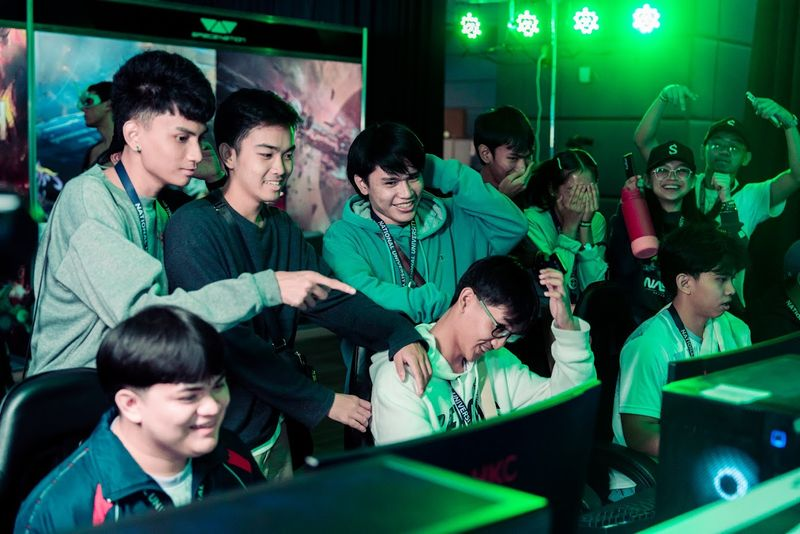
A gaming guild, often called a Gaming Guild or Web3 Gaming Guild, is a community or organization that coordinates players, assets, information, and operational capabilities around blockchain games. Traditional gaming guilds mainly help members form teams, socialize, share strategies, and compete. Blockchain gaming guilds also handle wallets, NFTs, token rewards, on-chain permissions, and asset rentals, giving them characteristics of both a player community and a digital-asset operating organization.
A full-featured gaming guild will usually perform the following functions:
Asset allocation: purchasing, renting, or managing the NFTs required by games and assigning their usage rights to players.
Player recruitment: finding players suited to particular games and providing screening, training, and everyday support.
Game research: analyzing game updates, reward rules, asset requirements, token output, and economic sustainability.
Community operations: organizing quests, tournaments, voice events, content creation, and local-language support.
Reward settlement: recording player contributions and distributing tokens or other rewards under the agreement.
Project partnerships: helping game teams gain seed users, testing feedback, content exposure, and access to regional markets.
A gaming guild is therefore not simply a large-scale gold-farming studio. Both may organize players to earn game rewards, but a mature guild generally also provides education, community governance, tournaments, project incubation, and market expansion. Conversely, an organization that uses “Guild” or “DAO” in its name is not necessarily decentralized, and the label does not make its revenue model inherently reliable.
Why Did Early GameFi Need Guilds?
Many Play-to-Earn games around 2021 had high entry barriers. Players had to understand seed phrases, gas fees, bridges, and NFTs, and they might also need to buy several game assets before they could begin. Early Axie Infinity players, for example, needed a team of Axies. When NFT prices rose, that initial cost became substantial for players in some regions.
Guilds filled three gaps.
2.1 The Capital Gap
Asset holders owned NFTs but lacked time to play frequently, while players had time and skill but could not afford the required assets. Guilds connected the two groups by temporarily separating ownership from the right to use an asset.
2.2 The Knowledge Gap
Blockchain games require players to understand not only the game mechanics but also safe wallet use, token claims, and phishing prevention. Guild tutorials, mentors, and communities lowered the learning cost.
2.3 The Distribution Gap
Early blockchain game teams often lacked stable user-acquisition channels. A guild could organize hundreds or even thousands of players for tests, quests, and tournaments at once, making it a community distribution partner for game projects.
These factors explain why gaming guilds expanded so quickly during the bull market, but they also created risk. If a guild’s cash flow depends heavily on new players, rising NFT prices, or continued appreciation of game tokens, slower demand can put its assets, players, and organization under pressure simultaneously. For the difference between playing primarily for rewards and prioritizing a game’s entertainment value, see The Core Models of GameFi: Play-to-Earn and Play-and-Earn.
What Is YGG?
YGG stands for Yield Guild Games. It was one of the first organizations to combine blockchain game assets, player communities, and the DAO concept at scale. Its Axie Infinity scholarships attracted broad attention in markets such as the Philippines, and the organization expanded through regional communities, managers, and player networks.
YGG’s early model can be summarized as follows: the guild held NFTs with utility inside games and let screened players use them; those players invested time and skill to earn game rewards; players, managers, and the guild then divided the proceeds according to an agreement. The guild could reinvest part of its resources in new assets, training, and community growth.
During this period, YGG was more than a financial investor in NFTs. It had to recruit players, configure accounts, provide tactical training, track performance, settle rewards, and control risks. The larger a scholarship program became, the higher its operating costs and the more important transparent management became.
The historical context matters. YGG today should not be defined solely as the “Axie rental guild” of 2021. It later expanded through the Guild Advancement Program (GAP), game quests, community events, the YGG Play Summit, and YGG Play. In its third-quarter 2025 update, YGG said that GAP had concluded after three years and ten seasons. Its 2026 website places further emphasis on using its established community network for broader digital-economy and AI data-collaboration opportunities. These changes show that guilds adapt to games, technology, and user needs; there is no single business model that remains fixed forever.
What Does “Scholarship” Actually Mean?
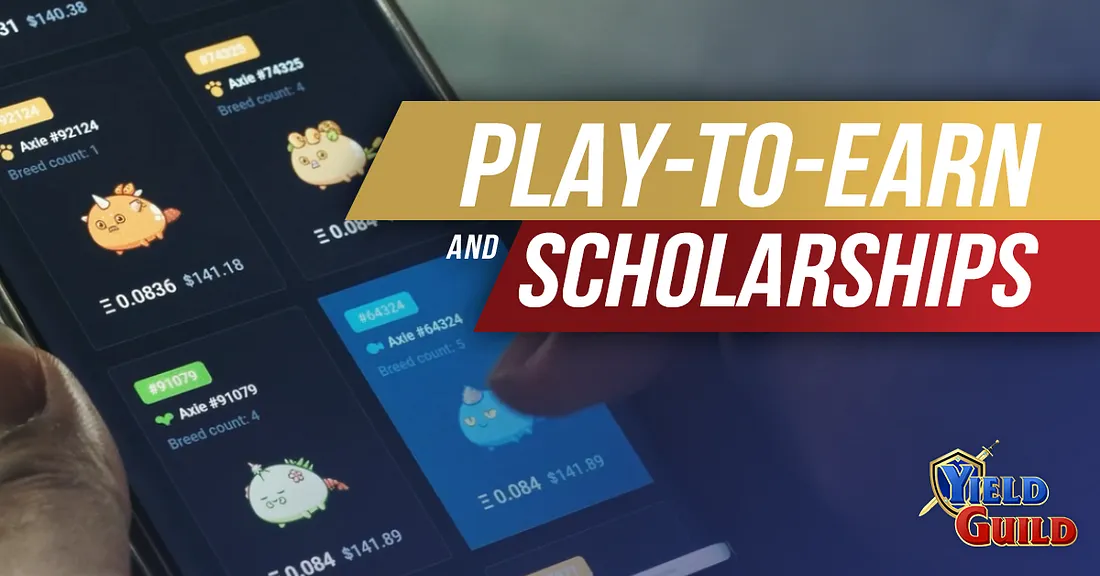
A gaming scholarship is commonly called a Scholarship, but it differs from an educational grant issued by a school. It is usually an asset-delegation and revenue-sharing arrangement. An asset owner or guild grants a player permission to use gaming NFTs, allowing the player to start without first buying the assets. The participants divide the rewards afterward according to a pre-agreed ratio.
The participating player is called a Scholar. The person responsible for recruitment, training, and management is usually called a Manager, while the organization that provides assets, operating systems, and brand support is the Guild.
A scholarship addresses the lack of starting assets; it does not guarantee income. Players still bear time costs, learning costs, token-price volatility, and account-security risks. If game rewards fall, someone may spend hours playing for very little return. If the game rules change, the scholarship can also be suspended or terminated.
How Does the Scholarship Model Work?
5.1 Step One: The Guild Obtains Game Assets
A guild may buy NFTs directly or receive assets from community members, investors, or partner projects. The guild or owner normally retains control of the assets, while the player receives only the permissions needed to use them in the game.
5.2 Step Two: Managers Screen Players
Managers may assess a player’s available time, gaming experience, device setup, and communication skills. Some programs have a training period, while others require interviews or trial tasks. A legitimate screening process should never ask for a player’s personal wallet seed phrase or demand an opaque deposit in exchange for a “guaranteed place.”
5.3 Step Three: Accounts and Permissions Are Configured
The guild assigns a game account, NFT delegation rights, or a dedicated wallet to the player. Early programs often relied on account-level management. Newer games may support native NFT delegation, rental, or revocable permissions, reducing the risks associated with direct asset transfers.
5.4 Step Four: The Player Participates in the Game
Players complete competitive matches, quests, or daily objectives according to the program. Managers may offer team-composition advice, update guides, training, and performance reviews. If metrics emphasize output while ignoring the player experience, however, a scholarship can easily become a high-pressure labor arrangement.
5.5 Step Five: Rewards Are Settled and Distributed
After game rewards reach the designated account, the guild calculates each participant’s share under the agreement. Settlement may be affected by token claim cycles, on-chain fees, conversion channels, and compliance requirements. Players should confirm whether the split is calculated in token units or fiat value and which price timestamp is used.
5.6 Step Six: Renewal, Advancement, or Exit
Strong performers may receive better assets, management roles, or community responsibilities. Players who stop participating must return account access and permissions. Exit terms should be clear in advance, including treatment of unsettled rewards, losses caused by bans, damaged devices, cheating disputes, and deletion of personal data.
What Does YGG’s 70/20/10 Split Mean?
YGG’s historical materials disclosed one Axie scholarship allocation: scholars received 70%, managers received 20%, and YGG received 10%. The figures are frequently quoted, but they must be understood correctly.
First, this was a historical arrangement for a particular organization, game, and period. It is not an industry standard for every gaming guild. Different guilds, regions, asset providers, and games may use entirely different ratios.
Second, the stated percentage is not the same as actual income. The player’s final proceeds depend on token output, market price, claim costs, exchange rates, and time spent. When a token price falls, the fiat value of earnings can drop sharply even if the percentage remains unchanged.
Third, a split alone cannot determine fairness. How much training does the manager provide? Does the guild absorb asset losses? Are there minimum online-hour requirements? Are rewards paid on time? Can the contract be changed unilaterally? These questions matter more than an attractive percentage.
For example, suppose a settlement period produces 1,000 game tokens and uses the historical 70/20/10 formula. The player, manager, and guild would receive 700, 200, and 100 tokens respectively. If the token’s market price falls 60% before it can be claimed, the fiat value received by every party also falls. This example only explains the calculation. It does not mean YGG still uses the arrangement, nor is it a forecast of returns.
Why Did Axie Infinity Make Scholarships Explode in Popularity?
Axie Infinity combined a high asset requirement for entry, tradable NFTs, game-token rewards, and strong social distribution, making it especially well suited to scholarship expansion. Player communities in the Philippines and elsewhere also used managers, local-language groups, and personal networks to lower the participation barrier.
Historical data published by YGG indicated that its Axie scholarships grew rapidly in 2021 and reached tens of thousands of players in early 2022. These figures should be treated as self-reported historical milestones rather than current data verified by a third-party audit. Their real significance is that, when game assets are expensive, token rewards are high, and new-player demand is strong, a guild can convert capital into player slots very quickly.
Scale also amplified the economic cycle. When the supply of reward tokens such as SLP grew faster than demand for using them, NFT prices declined, or new-player growth slowed, the guild’s assets lost value, players’ income fell, and managers had to spend more time sustaining their teams. For the full arc of that case, see Axie Infinity: The Rise and Fall of a Blockchain Gaming Pioneer.
Who Benefits from the Scholarship Model?
8.1 Players: Lower Upfront Capital Requirements
Players can learn wallet and blockchain-game operations without first purchasing expensive NFTs. Strong players may later become coaches, managers, tournament competitors, or content creators. For some people, scholarships once provided flexible supplementary income and a connection to a global community.
8.2 Asset Holders: Higher NFT Utilization
Asset holders who do not have time to play can delegate their idle NFTs for use in the game economy. Utilization is not the same as value preservation, however. If interest in the game declines, the NFTs can still lose most of their value.
8.3 Game Projects: Users and Feedback
Guilds can organize players to test new releases, discover bugs, create guides, and distribute content across language markets. This value can outlast a temporary increase in token volume and explains why many guilds later shifted toward game distribution and community services.
8.4 Local Communities: Learning and Collaboration Networks
Managers pass wallet-safety practices, tactical knowledge, and on-chain skills to newcomers. Regional guilds may also run physical events and tournaments, offering an entry point for users who lack access to Web3 education.
All these benefits are conditional. If players are asked only to complete repetitive output targets, projects treat guilds as temporary traffic sources, or asset owners care only about maximizing short-term production, the network effect quickly deteriorates into a zero-sum distribution problem.
What Structural Problems Affect Scholarship Programs?
9.1 Income Depends on Token Prices
Players receive volatile assets, while their living expenses are usually denominated in fiat currency. Income may change before or after settlement, and past performance cannot predict future results. Presenting expected rewards as a fixed salary is a common and dangerous misrepresentation.
9.2 Game Economies May Depend on New Demand
If tokens are primarily earned and sold, but have few genuine sinks such as upgrades, tournaments, or collectibles, selling pressure continues to build. Reward values can fall as new-player growth slows. A guild cannot fundamentally repair a poorly designed token economy.
9.3 Players and Guilds Have Unequal Power
A guild controls accounts, NFTs, and settlement records, making it difficult for players to verify total rewards. If an agreement exists only in chat messages, a manager may change the split, impose unreasonable quotas, or withhold payment.
9.4 Employment Status and Legal Identity Are Unclear
Depending on the jurisdiction and actual management arrangement, a Scholar might be treated as a community member, contractor, renter, or employee. Tax, minimum labor protections, safeguards for minors, and data privacy cannot be avoided simply by applying a “DAO” label.
9.5 Account and Asset Risks Are Concentrated
If a player cheats, uses automated scripts, or violates the game’s terms, accounts and NFTs may be banned. A manager’s configuration error or a compromised wallet may also affect an entire asset pool. Responsibility for these risks must be explained before someone joins.
9.6 Output Metrics Can Replace Fun
Academic analysis of Axie player experiences has found that financial motivation, game quality, pressure, and potential exploitation can coexist. Players do not participate only for money, but when income becomes the sole objective, the game increasingly resembles repetitive work, harming retention and community quality.
Why Did Scholarships Retreat from Their Peak?
The scholarship model did not suddenly “stop working.” Several underlying conditions changed at the same time.
Entry barriers fell: some games adopted free-to-play access, so players no longer had to borrow NFTs from a guild.
Reward value declined: lower token prices and lower output per hour made the player’s share less likely to justify the time spent.
Asset prices fell: guild balance sheets shrank, reducing their appetite for buying more NFTs.
Game life cycles changed: players shifted from pursuing rewards alone toward gameplay quality, content updates, and persistent identity.
Technology improved: native rental, delegation, and account abstraction allowed players and asset owners to connect more directly.
Compliance demands increased: token distribution, cross-border settlement, taxation, and labor relationships received more scrutiny.
This does not mean guilds disappeared. It means the single model of “the guild buys NFTs, players farm rewards daily, and the proceeds are split” is no longer enough to sustain an organization. Guilds that survive must prove independent value in community, content, distribution, tournaments, data, or game publishing.
How Has YGG Evolved Beyond Scholarships?
11.1 From Fixed Slots to Task-Based Participation
YGG’s Guild Advancement Program organized members across games and activities through on-chain quests, badges, and records of community contributions. Compared with lending one asset set for an extended period, this approach is closer to discovering tasks, learning, and verifying contribution.
In its third-quarter 2025 community update, YGG said GAP had ended after ten seasons. The milestone shows that individual products evolve, while the broader method of organizing players through verifiable tasks has become an important part of Web3 community operations.
11.2 From One Game to Game Discovery and Publishing
Reliance on one game exposes a guild to a single economic cycle. YGG later partnered with more projects and participated in promotion and publishing through brands such as YGG Play. The guild’s value shifted from “how many NFTs it owns” to “whether it can put the right games in front of the right players.”
11.3 From Online Reward Farming to Tournaments and Physical Networks
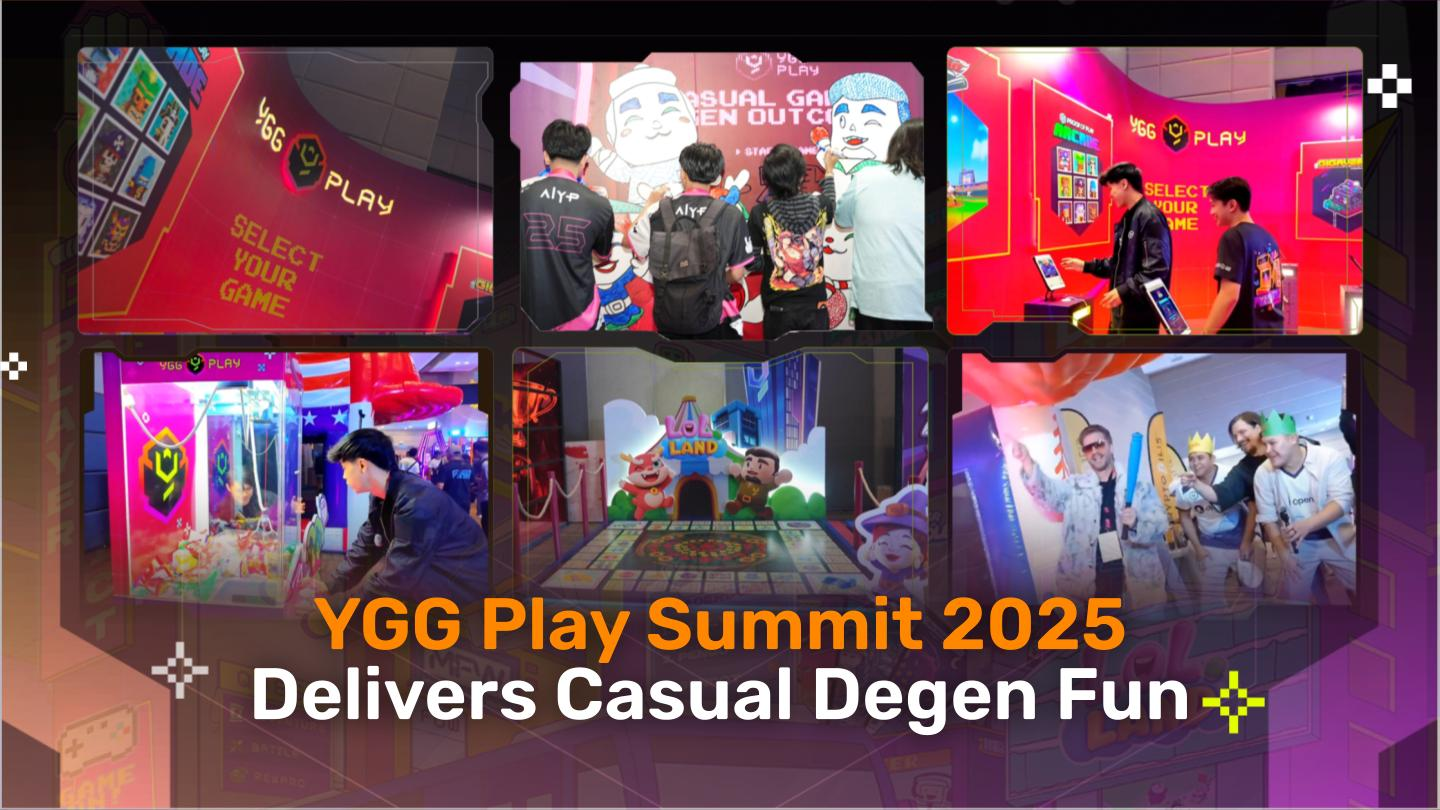
The YGG Play Summit combines game showcases, esports, developer discussions, and community events. YGG’s official retrospective said its 2025 Manila event attracted more than 5,600 in-person attendees and over 500,000 online views. These are organizer-reported figures, but they illustrate how a guild can turn its brand and regional network into event and distribution capacity.
11.4 From a Gaming Community to a Digital Collaboration Network
By 2026, YGG’s official homepage emphasized using its global community for AI data, evaluation, and other digital-economy opportunities. “Expansion” is a better description than a complete change of direction: the organization is applying its established ability to coordinate distributed communities, verify contributions, and allocate opportunities beyond blockchain games.
How Do Gaming Guilds Make Money Today?
Modern gaming guilds may have several revenue sources, although not every guild has all of these capabilities.
12.1 Returns from Game Assets
A guild earns rewards by renting, delegating, or using NFTs. This is the model closest to early scholarships and is also the most exposed to asset prices and game economics.
12.2 Project Partnerships and User Acquisition
Game teams may pay for testing, content, community events, or regional promotion. Guilds must distinguish genuine player participation from short-term farming, or the partnership data will not remain useful.
12.3 Tournaments, Events, and Sponsorship
Guilds with a recognizable brand and active user base can organize tournaments, summits, and training programs that generate ticket, sponsorship, and partnership revenue.
12.4 Game Publishing and Investment
A guild may participate in game publishing, asset allocation, or early-stage project investments. These activities offer higher potential returns but also create project-failure risk, conflicts of interest, and disclosure obligations.
12.5 Membership, Tools, and Services
Data analysis, player-management tools, research reports, educational courses, and enterprise services can produce cash flow that is relatively independent of token prices.
12.6 Digital Tasks and Data Services
When a guild applies its community coordination to AI evaluation, data annotation, or other remote work, its revenue extends beyond games. This also introduces new questions about data rights, task pricing, quality review, and worker protections.
The key test of healthy revenue is not whether it uses a token but why customers are willing to keep paying. If all income ultimately comes from the guild’s own token or money from new members, the business model has not truly transformed.
How Do Guilds, NFT Rentals, and In-Game Delegation Differ?
All three separate ownership from use, but their service scope differs.
A guild combines recruitment, training, community, performance management, and reward distribution, which suits games that require substantial operations. An NFT rental marketplace mainly matches assets with renters, often settling a fixed rent or automatic revenue split. In-game delegation is provided directly by the developer, so players do not need access to an owner’s primary wallet.
If smart contracts can settle rewards automatically and a game supports free entry, the guild becomes less necessary as an asset-management intermediary. It can still provide value through community trust, content, tournaments, and localization. To understand how game assets can be owned, used, and transferred, continue with On-Chain Game Assets: Why Your Game Items Should Be On-Chain.
What Roles Do the YGG Token and a DAO Play?
Gaming guilds often use tokens to represent governance rights, community identity, or incentives, but a token is not the organization itself. YGG Token has been used for governance, rewards, and ecosystem participation, while YGG has used quests and token mechanisms across different networks and events to connect members.
New users should distinguish four things: holding a token, owning legal rights, participating in community votes, and receiving future cash flow are not equivalent. Voting power may be constrained by proposal scope, delegation, token concentration, and the core team’s implementation authority. Buying a token does not automatically make someone a guild employee, partner, or asset owner.
To assess a purported DAO, check whether proposals are public, funds are verifiable, votes are executed, core contracts can be upgraded, and responsibility for emergencies is clear. A Discord server, governance forum, and token symbol do not prove that power is genuinely distributed.
Hotcoin’s Six-Layer GUILD Framework: How Should You Evaluate a Gaming Guild?
Instead of looking only at yield, use the six-layer GUILD framework as a due-diligence checklist. It is not an investment rating.
15.1 G: Game — A Sustainable Game Foundation
Check whether the game is genuinely enjoyable, receives ongoing updates, gives players reasons to spend, and has meaningful sinks for reward tokens. Without underlying game demand, even a strong guild can only delay economic decline.
15.2 U: Usage — Asset Usage Rights
Confirm who owns the NFT, what permissions the player receives, whether those permissions can be revoked at any time, and who is responsible after a ban or loss. Prefer native delegation or restricted permissions and avoid sharing the private key of a primary wallet.
15.3 I: Income — Transparent Earnings and Settlement
Verify the reward source, split formula, settlement cycle, fees, conversion price, and payment history. Every figure should be reconcilable against a game dashboard, on-chain records, or a statement acknowledged by both parties.
15.4 L: Labor — Conditions for Player Work
Review daily hours, minimum targets, rest arrangements, policies for minors, the extent of account monitoring, and appeal channels. Even a high split is not fair if quotas are impossible or management practices are coercive.
15.5 D: Decision — Governance and Dispute Resolution
Identify who can change rules, freeze accounts, withhold rewards, and end an arrangement. A reliable guild should have a clear contact, written rules, an appeal process, and emergency security procedures.
15.6 The Second D: Diversification — Adaptability and Diverse Revenue
Check whether the guild depends excessively on one game, one token, or one sponsor. Organizations that can earn revenue through content, tournaments, tools, publishing, or enterprise services have a better chance of surviving game cycles.
If any one layer is completely opaque, reduce the time and money you commit. A polished website, a large member count, or active founders on social media cannot replace these basic checks.
What Should You Ask Before Joining a Gaming Guild?
Before accepting any scholarship, task, or management role, obtain clear answers to at least these questions:
Who owns the assets, and do I receive ownership or only temporary usage rights?
Must I pay a deposit, buy tokens, or pay a training fee? Are those payments refundable?
What formula determines rewards, and is settlement based on token units or fiat value?
Who pays gas, bridge, withdrawal, and tax costs?
Are there minimum daily or weekly online hours? What happens if I miss them?
Can the agreement change unilaterally if the game updates, the token falls, or the project pauses?
Who is responsible if an account is banned, an NFT is impaired, or a wallet is compromised?
What device, identity, and behavior data does the guild collect, and how long is it retained?
How do I exit, and when are unsettled rewards paid?
Is there a written appeal process and an identifiable legal entity or jurisdiction for disputes?
If the other party refuses to provide written rules, emphasizes “limited places” or “guaranteed profit,” or demands an immediate transfer, do not participate. An organization that genuinely needs long-term player contributions will not be afraid of members understanding the agreement.
How Can Beginners Participate in Guild Tasks Safely?
17.1 Use a Separate Wallet
Create a separate wallet for blockchain games and guild tasks, and keep only the small amount of assets required for the task. Do not connect your main asset wallet to an unfamiliar task website.
17.2 Review Every Authorization
Confirm whether a signature is for login, message verification, or an on-chain transaction. Check the token or NFT scope and spending limit. After a task, use a trusted tool to review and revoke permissions you no longer need.
17.3 Never Share a Seed Phrase or Private Key
A legitimate guild never needs your seed phrase. Treat any administrator who requests it in a private message, asks to control your device remotely, or tells you to install unknown software as a high-risk signal.
17.4 Begin with Small Tasks
Observe community communication, settlement speed, and dispute handling before committing more time. Do not borrow money to buy a guild token or NFT merely to meet a purported level requirement.
17.5 Keep Agreements and Reconciliation Records
Save the version of the rules, task screenshots, on-chain transaction hashes, and settlement details. If rules change through a community announcement, record when the change occurred and the period it applies to.
17.6 Treat Rewards as Volatile Income
Game rewards can lose value quickly and should not be treated as a stable salary or a way to repay debt. When calculating an effective hourly rate, deduct hardware, electricity, internet, gas, conversion fees, and the risk of unsettled rewards.
To explore on-chain applications, you can use the Hotcoin Web3 Wallet to manage multichain assets and connect to DApps. Always verify contract addresses, authorization details, and network fees yourself. Never skip security checks because a guild administrator or stranger is pressuring you.
What Is the Future of Gaming Guilds?
The next generation of gaming guilds may look more like an “operating system for player networks” than a warehouse of NFTs. They may help users discover games, build on-chain reputations, organize tournaments, complete verifiable tasks, and relay player feedback to developers.
Important directions include:
Native asset delegation: games directly support expiration periods, permission scopes, and automatic revenue splitting, reducing custody risk.
Cross-game identity: a player’s contributions, skills, and tournament record can be verified across communities.
Content and publishing: guilds shift from buying assets toward co-publishing games, producing content, and managing user relationships.
Player co-creation: communities contribute maps, mods, stories, testing, and governance, receiving rewards based on verifiable contribution.
AI collaboration: player networks participate in game testing, model evaluation, and data tasks, with a need for more transparent pricing and data rights.
Regional specialization: local guilds provide language, payment, compliance, and physical community services.
Blockchain games must still become good games if they are to endure. A guild can help with cold starts but cannot replace core gameplay, content updates, and a healthy economy. The most valuable future guild may not manage the most NFTs; it may be the organization that continually reduces coordination costs for players and developers.
Frequently Asked Questions
19.1 How Is a Blockchain Gaming Guild Different from a Traditional Guild?
A traditional guild mainly organizes social interaction, team play, and competitions. A blockchain gaming guild also manages NFT usage rights, wallet permissions, token rewards, and revenue distribution, which introduces additional asset-security, contractual, and economic risks.
19.2 Does YGG Still Run Axie Scholarships?
YGG’s origins are closely tied to Axie scholarships, but its current work should not be reduced to that early model. YGG expanded into game quests, community events, tournaments, and publishing, while its 2026 website also highlights broader digital collaboration and AI-related opportunities. Check YGG’s current official channels to see which specific programs are open.
19.3 Must a Scholar Pay Before Joining?
The core purpose of a classic scholarship is to lower the upfront asset barrier, so the player typically does not have to buy expensive NFTs first. If someone demands a large deposit, guarantee payment, or purchase of a designated token, verify the contract, refund conditions, and the organization’s identity, and remain alert to fraud.
19.4 Is YGG’s Split Always 70/20/10?
No. The 70% scholar, 20% manager, and 10% YGG split was a historical arrangement disclosed for YGG’s early Axie scholarships. It is not a permanent rule or an industry-wide standard. Review the current written terms before participating in any program.
19.5 Does a Scholar Own the Borrowed NFT?
Usually not. A Scholar receives usage rights for a limited purpose and period, while ownership remains with the guild or asset provider. Unless a contract explicitly transfers ownership, access to a game account should not be confused with ownership of the NFT.
19.6 Can Joining a Gaming Guild Provide Stable Income?
There is no guarantee. Income depends on game rewards, token prices, player performance, settlement rules, and guild operations. It may fall below the value of the time invested or stop entirely. Do not treat game rewards as a fixed salary or a source for loan repayment.
19.7 Is It Reasonable for a Guild to Request My Seed Phrase?
No. A seed phrase confers the highest level of control over a wallet, and anyone who obtains it can move the assets. Never share a seed phrase or private key, even with someone claiming to be an administrator, mentor, or official support agent.
19.8 Is a DAO Guild Necessarily Fairer?
No. Fairness depends on transparent rules, token distribution, the scope of votes, implementation authority, and appeal mechanisms. The “DAO” label alone does not prove that players have meaningful decision-making power.
19.9 Are Gaming Guilds Still Necessary as Free-to-Play Becomes Common?
They can be, but their role changes. When asset lending matters less, guilds can still offer training, social networks, tournaments, content, localization, game testing, and publishing. Guilds that cannot provide these additional benefits are more likely to be replaced by built-in game features.
Conclusion: YGG Means More Than a Revenue Split
YGG and the scholarship model represent an important Web3 gaming experiment: digital asset owners, community managers, and players around the world can collaborate without permanently transferring asset ownership. The model lowered the entry barrier created by expensive NFTs while exposing the importance of token volatility, account control, working conditions, and settlement transparency.
For players, the priority is not finding the highest split but deciding whether the game is sustainable, asset permissions are safe, rewards can be verified, rules are fair, and exit is straightforward. A guild’s long-term competitiveness likewise no longer depends on accumulating NFTs. It depends on building trusted communities, discovering quality games, organizing genuine contributions, and offering players sustainable opportunities for growth.
YGG’s evolution from Axie scholarships through GAP quests and community summits to game publishing and a broader digital collaboration network demonstrates that a gaming guild is an organizational form that continually reconstructs itself. Understanding that history helps us see guilds as infrastructure rather than as a money-making formula that will always work.
After this article, return to GameFi Blockchain Games: The New Play-and-Earn Economy to build a broader framework around gaming categories, token economics, NFT assets, and risk management.
To install mobile trading and market tools, visit the Hotcoin App. For more blockchain education and platform services, visit Hotcoin. Tokens, NFTs, and blockchain game assets can all experience extreme volatility. Conduct independent research before participating and commit only funds and time you can afford to lose.
Risk notice: This article is for education and information only. It does not constitute investment, legal, tax, or employment advice. Game rules, token prices, guild programs, and official website content may change at any time. Verify the latest terms before participating and seek professional advice under the laws of your jurisdiction.
Inirerekumendang pagbabasa
Tingnan ang higit pa

Service@hotcoin.com
Product@hotcoin.com
Business@hotcoin.com
Casecn@hotcoin.com