

Crypto Security Hacks Every Newbie Needs: Avoid These 7 Costly Mistakes
Stepping into the world of cryptocurrency feels like discovering a new frontier—exciting, full of potential, yet laced with hidden dangers that can wipe out your holdings in seconds. As a newbie on Hotcoin.com, you’re already ahead by choosing a platform committed to user protection, but true security starts with your own habits. In 2026, with sophisticated scams leveraging AI and record losses from individual wallet compromises, ignoring basics can turn a promising investment into a painful lesson.
This guide reveals seven of the most devastating mistakes beginners make, explained with real-world context and actionable hacks to sidestep them. Master these, and you’ll navigate crypto with confidence while safeguarding what matters most.
Treating Your Seed Phrase Like a Casual Note
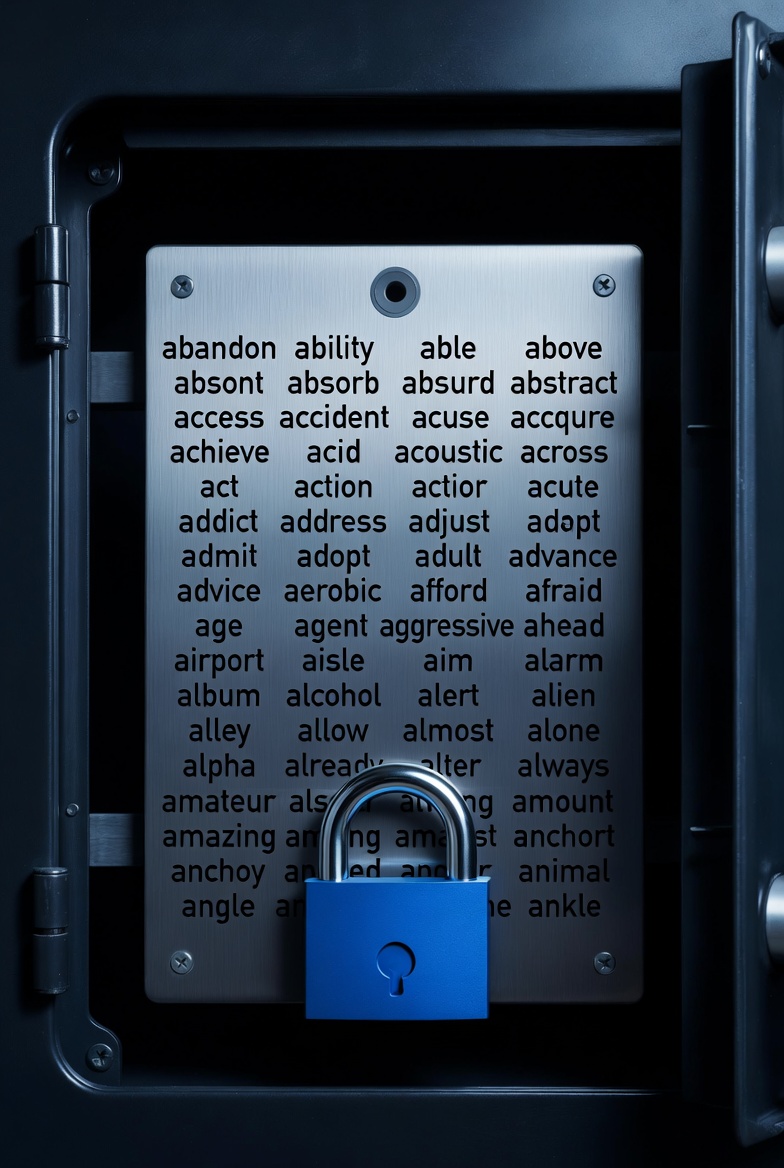
Many newcomers jot down their 12- or 24-word recovery phrase on a phone note, screenshot it, or upload it to cloud storage, thinking “it’s just for backup.” This single error hands hackers everything if your device is compromised—malware scans for these exact patterns relentlessly.¹
Instead, write it down manually on high-quality paper using a metal or fireproof backup plate for durability. Store copies in separate secure physical locations, like a home safe and a trusted family member’s vault, never digitally. Test recovery occasionally in a controlled way without exposing it. This offline discipline is your unbreakable first line of defense.

🎣 Falling for Sophisticated Phishing Traps
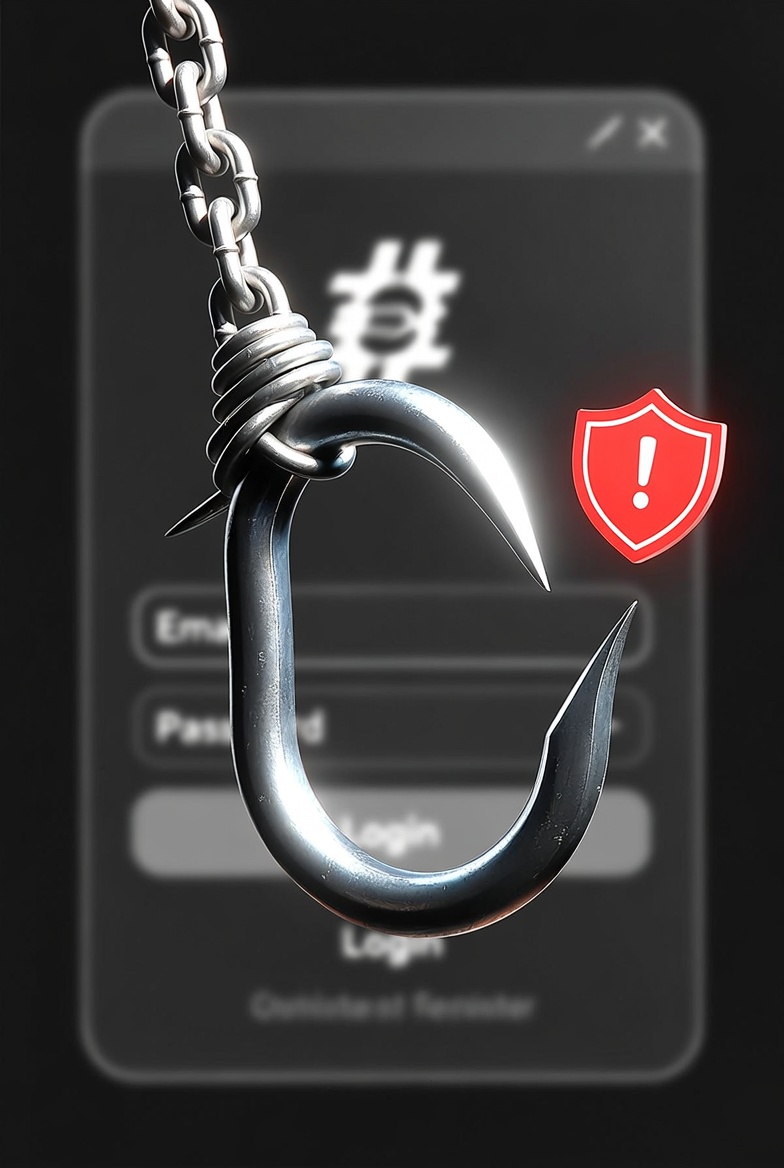
🚨 Phishing Has Evolved far beyond obvious typos. Scammers now craft convincing fake support messages, urgent “wallet verification” alerts, or deepfake videos promising giveaways, tricking users into approving malicious transactions or revealing credentials.²
Today's attackers use:
-
💬 Fake customer support messages
-
⚠️ Urgent "Wallet Verification" alerts
-
🎥 Deepfake giveaway videos
-
🔑 Fake login pages that steal credentials
-
✅ Malicious transaction approval requests
🛡️ How to Stay Protected
🌐 Verify Every URL
Type website addresses manually or use trusted bookmarks.
Never click links from unsolicited emails, texts, or social media messages.
🔒 Enable Anti-Phishing Protection
Turn on anti-phishing codes where available (such as on Hotcoin.com).
✔ Double-check sender names and email addresses before taking action.
📞 Contact Official Support
If something seems suspicious:
-
Visit the official website directly
-
Use verified customer support channels
-
Avoid replying to suspicious messages
⚠️ Trust Your Instincts
Treat every unexpected crypto-related message as a potential phishing attempt until you confirm it's legitimate.
💡 Footer Tip
Stop • Verify • Protect
Over-Relying on “Hot” Wallets for Everything
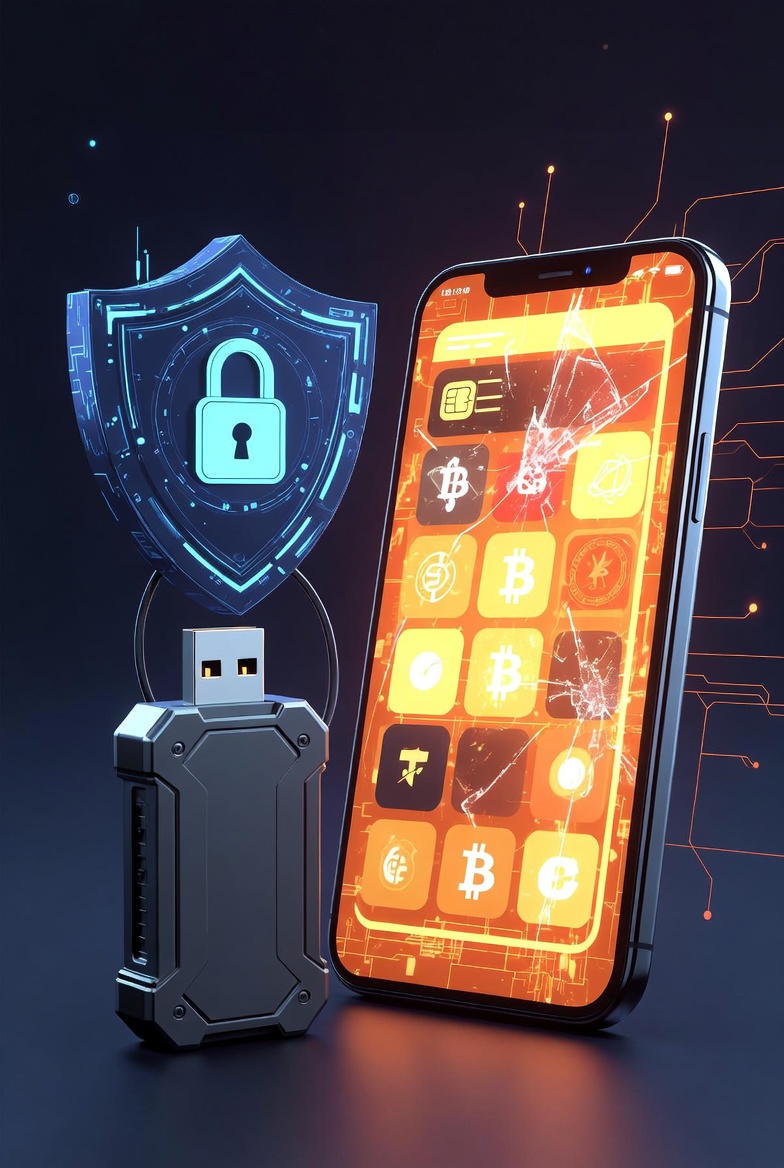
Keeping large sums in software or exchange wallets connected to the internet exposes you to remote hacks. Convenience comes at the cost of constant vulnerability, especially as attackers target personal devices more aggressively than ever.³
Adopt a hybrid approach: Use hot wallets only for small, daily transactions. Transfer significant holdings to cold storage hardware wallets that stay offline. On Hotcoin.com, withdraw to your personal cold wallet promptly after trading. This “not your keys, not your coins” mindset shifts control back to you.
Weak or Reused Passwords and Skimping on Authentication
Using the same password across accounts or opting for simple 2FA via SMS creates easy entry points. SIM-swapping attacks and credential stuffing thrive on these shortcuts.⁴
Create unique, complex passwords with a reputable manager, and layer them with app-based authenticator 2FA or hardware keys. Regularly audit connected devices and revoke access for anything suspicious. This multi-layered authentication turns potential breaches into dead ends.
Blindly Signing Transactions Without Scrutiny
In the rush of DeFi or NFT interactions, new users often approve wallet connections or transactions without reviewing details. Malicious smart contracts can drain funds through hidden permissions that seem harmless at first glance.¹
Pause and use transaction simulators or explorers to decode what you’re signing. Limit approvals to necessary amounts and revoke them immediately after use. On Hotcoin.com, leverage built-in security prompts and always confirm addresses character-by-character before sending.
Relevant Reading artilces: What Is a Governance Token in Crypto Protocols?
Ignoring Regular Software Updates and Device Hygiene
Outdated wallet apps, operating systems, or browsers harbor known exploits that hackers exploit quickly. Public Wi-Fi and infected downloads compound the risk.⁵
Enable automatic updates for all crypto-related software and your devices. Use a reputable VPN on public networks, install robust antivirus, and avoid sideloading apps. Maintain separate devices or profiles for crypto activities to isolate risks.
Sharing Too Much or Falling for Social Engineering
Boasting about holdings on social media, joining unverified groups, or responding to “recovery help” offers invites targeted attacks. Scammers monitor public profiles and use urgency or greed to manipulate.⁶
Keep your portfolio private, use pseudonyms where possible, and never share seed phrases, private keys, or personal details—no legitimate entity will ever ask. Educate yourself continuously through trusted resources rather than hype-driven communities.
By internalizing these hacks, you transform from a vulnerable newbie into a security-savvy participant in the crypto ecosystem. On Hotcoin.com, combine these personal practices with the platform’s robust tools for a formidable defense. Remember, security isn’t a one-time setup—it’s an ongoing discipline that pays dividends in peace of mind and preserved wealth.
Start implementing one change today, and build from there. Your future self (and your portfolio) will thank you.
FAQ
-
What is the biggest crypto security mistake beginners make? Storing seed phrases digitally (photos, notes, or cloud) is one of the most common and costly errors. Always keep them offline in physical form.
-
How can I spot a phishing attempt in crypto? Look for unsolicited messages, urgent demands, or suspicious links. Never click—type the official URL yourself and contact support directly through verified channels.
-
Should I keep all my crypto on Hotcoin.com or move it to a wallet? Use Hotcoin.com for trading, but move larger holdings to a personal cold (hardware) wallet for maximum control and security.
-
Is 2FA enough to protect my crypto accounts? Basic 2FA helps, but use app-based or hardware keys instead of SMS. Combine it with unique passwords and regular device audits for stronger protection.
-
What should I do if I suspect my wallet has been compromised? Immediately transfer remaining funds to a new secure wallet, revoke all approvals, change passwords, and enable all available security features. Contact Hotcoin.com support right away.
By internalizing these hacks, you transform from a vulnerable newbie into a security-savvy participant in the crypto ecosystem. On Hotcoin.com, combine these personal practices with the platform’s robust tools for a formidable defense. Remember, security isn’t a one-time setup—it’s an ongoing discipline that pays dividends in peace of mind and preserved wealth.
Start implementing one change today, and build from there. Your future self (and your portfolio) will thank you.
References
-
Syndika. “13 Common Crypto Security Mistakes And How To Avoid Them.” Medium, November 28, 2025.
-
California Department of Financial Protection and Innovation. “Crypto Scams: How to Avoid Becoming a Victim.” DFPI.ca.gov, April 22, 2026.
-
Ledger. “Crypto Wallet Security Checklist 2026: Protect Crypto with Ledger.” Ledger Academy, November 7, 2025.
-
H-X Technology. “Top 26 Cryptocurrency Risks and Mistakes in 2026.” H-X Technology Blog, January 4, 2026.
-
Hacken. “Wallet Security: Best Practices For Keeping Your Crypto Safe.” Hacken.io, June 26, 2025.
-
Fidelity Investments. “How to Protect Yourself from Crypto Scams.” Fidelity.com, April 22, 2026.
Additional insights drawn from general cybersecurity reports on phishing and self-custody best practices, 2025–2026.
Inirerekumendang pagbabasa
Tingnan ang higit pa



Service@hotcoin.com
Product@hotcoin.com
Business@hotcoin.com
Casecn@hotcoin.com