
Cross Margin & Isolated Margin
In the world of derivatives, margin is the amount of money required to buy or sell a leveraged position. Since different users have different trading strategies, our perpetual contracts adopt two different methods of margin mode: full position and isolated position.
Cross Position Mode
The cross margin model refers to using all the account balances as margin to guarantee all cross positions to avoid forced liquidation. Realized profits within the same account can help increase margin on losing positions. Under this margin mode, forced liquidation will be triggered when the net asset value is insufficient to meet maintenance margin requirements. If a cross position is forced to be liquidated, the user will lose all assets in the account except for the margin of other isolated positions.
This method is useful for investors who are hedging existing positions, and is also suitable for arbitrageurs who do not want to expose one side of their position to risk due to liquidation. Please note that there is no automatic margin call function in cross margin mode. Because the cross margin model itself uses all available balances as margin.
Isolated Margin Mode
The maximum loss for an isolated position is limited to the initial margin and position additional margin used for the isolated position. If the position encounters forced liquidation, the user will only lose the margin of the isolated position, and the account balance will not be additionally called. By isolating the margin used on a position, you can limit losses on that position.
When using isolated margin on a certain position, the margin amount of this position is adjustable. You can reduce the actual leverage ratio by adding margin to ensure the safety of your position, or you can turn on the automatic margin call function.
Cross position and isolated position are for each contract and can be set individually according to different contracts. When switching between full position or individual position for a certain contract, the current position cannot be held. If you have a position, you need to close it first.
Inirerekumendang pagbabasa
Tingnan ang higit pa
How to Stop Profit and Loss?
Trading Basics
Margin and Leverage
Trading Basics
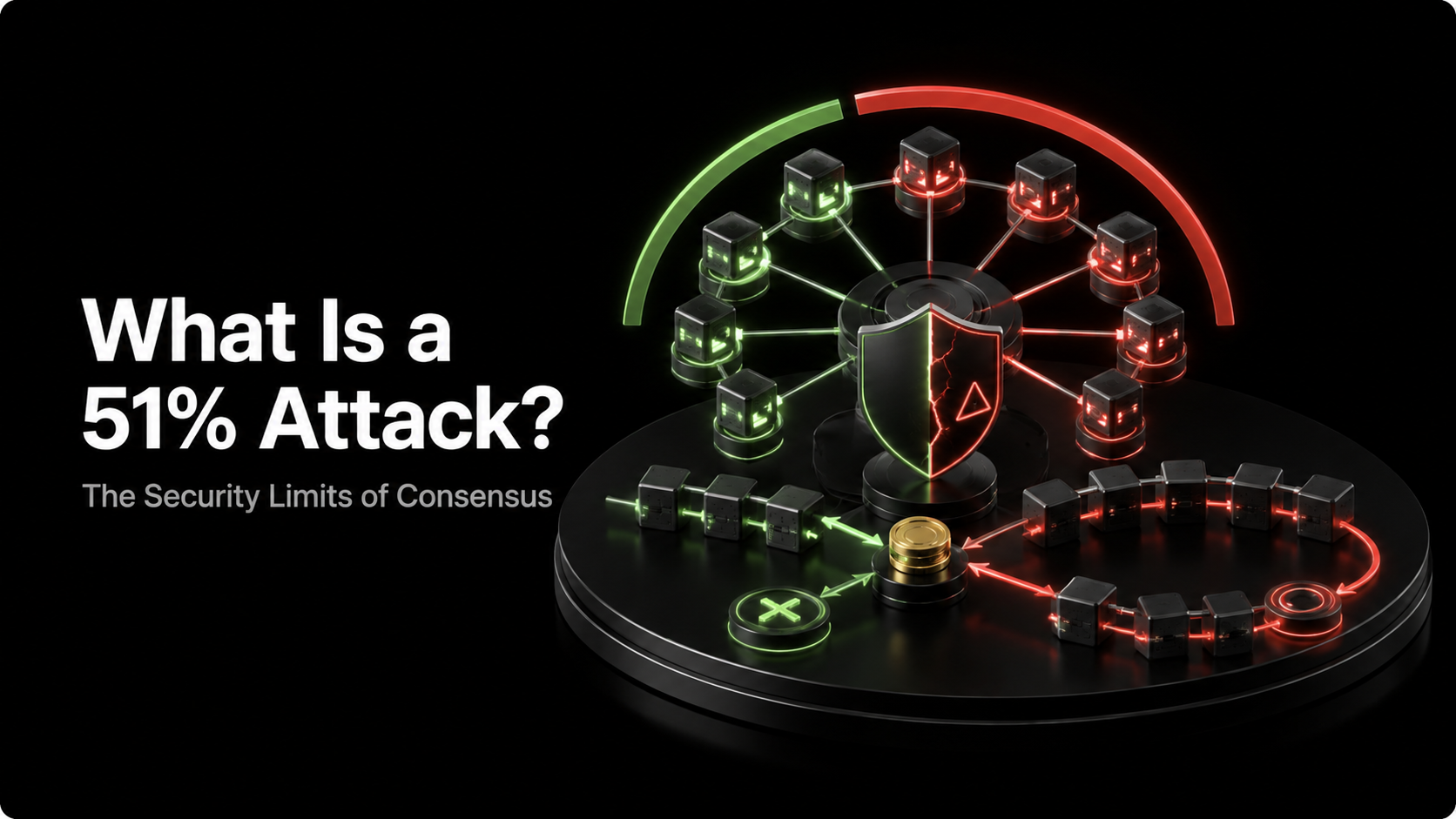
What Is a 51% Attack? The Security Boundaries of Consensus
Trading Basics

Mga contact sa serbisyo
Service@hotcoin.com
Feedback ng produkto
Product@hotcoin.com
Kooperasyon sa negosyo
Business@hotcoin.com
Legal na mga contact
Casecn@hotcoin.com
Tungkol sa atin
produkto
maglingkod
suporta
©2017-2026