
Meme Coin Supercycle: Community-Driven Value Discovery
The Meme coin supercycle is a market narrative suggesting that internet culture, community distribution, and on-chain liquidity could give Meme coins a longer-lasting, independent market cycle.
It is not a proven economic law, nor does it mean Meme coins will rise indefinitely. Supporters argue that Meme coins directly tokenize attention, identity, and open participation. Critics point out that most projects lack cash flow and practical utility, leaving prices highly dependent on sentiment, liquidity, and new buyers.
DOGE, SHIB, PEPE, BONK, and similar projects show that a community can carry a simple symbol across multiple market cycles. They also show that a “decentralized community” may include early whales, bots, market makers, influencers, and anonymous teams at the same time. Understanding the supercycle requires considering cultural value and trading risk together.
To place Meme coins alongside AI, DePIN, the Bitcoin ecosystem, modular blockchains, parallel EVMs, and other emerging sectors, read The 2025 Web3 Frontier Landscape.
What Is a Meme Coin?
A Meme coin is a crypto asset whose central narrative is built around an internet joke, animal, public figure, event, or community symbol. Instead of leading with complex technical innovation, these assets commonly use an easy-to-understand name, image, and slogan that participants can spread together.
A Meme coin may run on its own blockchain or exist as a token on Ethereum, Solana, BNB Chain, Base, or another network. Its technical structure may be ordinary, while its culture and distribution model determine whether it captures attention.
“Lacking traditional utility” does not mean “having no value at all.” Belonging, entertainment, collecting, sponsorships, tipping, and coordination can all create demand. However, such demand is difficult to value consistently and can easily be amplified by short-term speculation, manipulation, and celebrity influence.
What Is the Meme Coin Supercycle?
The supercycle thesis argues that Meme coins may no longer be brief bubbles confined to the late stages of a bull market. Instead, they could become a distinct asset class with sustained retail participation. Low launch barriers, instant trading, social media, and global communities allow almost any cultural event to be tokenized quickly.
The thesis often describes Meme coins as an “attention market.” A project does not need to spend years building a product first. If its symbol is powerful, its community is willing to distribute it, and liquidity can enter, price discovery may form rapidly.
But “supercycle” is itself a meme. During an advance, the narrative can draw in more participants and become self-fulfilling. It can also fail quickly when liquidity contracts, users become fatigued, or the regulatory environment changes. Investors should never treat a narrative as a guarantee.
Why Do Meme Coins Attract Communities?
3.1 Simple Messages and Low Distribution Costs
Complex protocols require explanations of consensus, revenue sources, and technical roadmaps. A Meme coin often needs only one image, one slogan, or one familiar character. Users can understand it within seconds and continue creating through memes, short videos, and comments.
3.2 Participation Feels Stronger Than a Product Description
Community members may do more than hold the token. They can create artwork, translate content, organize events, moderate groups, and encourage merchants to accept it. These activities reinforce identity and turn the token into a coordination tool.
3.3 High Volatility Creates Stories
Rapid rallies, extraordinary return stories, and violent drawdowns all travel well on social media. Price becomes content, and content brings in new traffic, creating a feedback loop between attention and trading volume.
3.4 Public Markets Provide Immediate Feedback
After publishing community content, participants can immediately observe changes in price, volume, and holder count. This feedback makes community operations feel like a real-time game, but it can also lead people to mistake short-term market reactions for long-term fundamentals.
How Did DOGE Establish the First Generation of Meme Coin Culture?
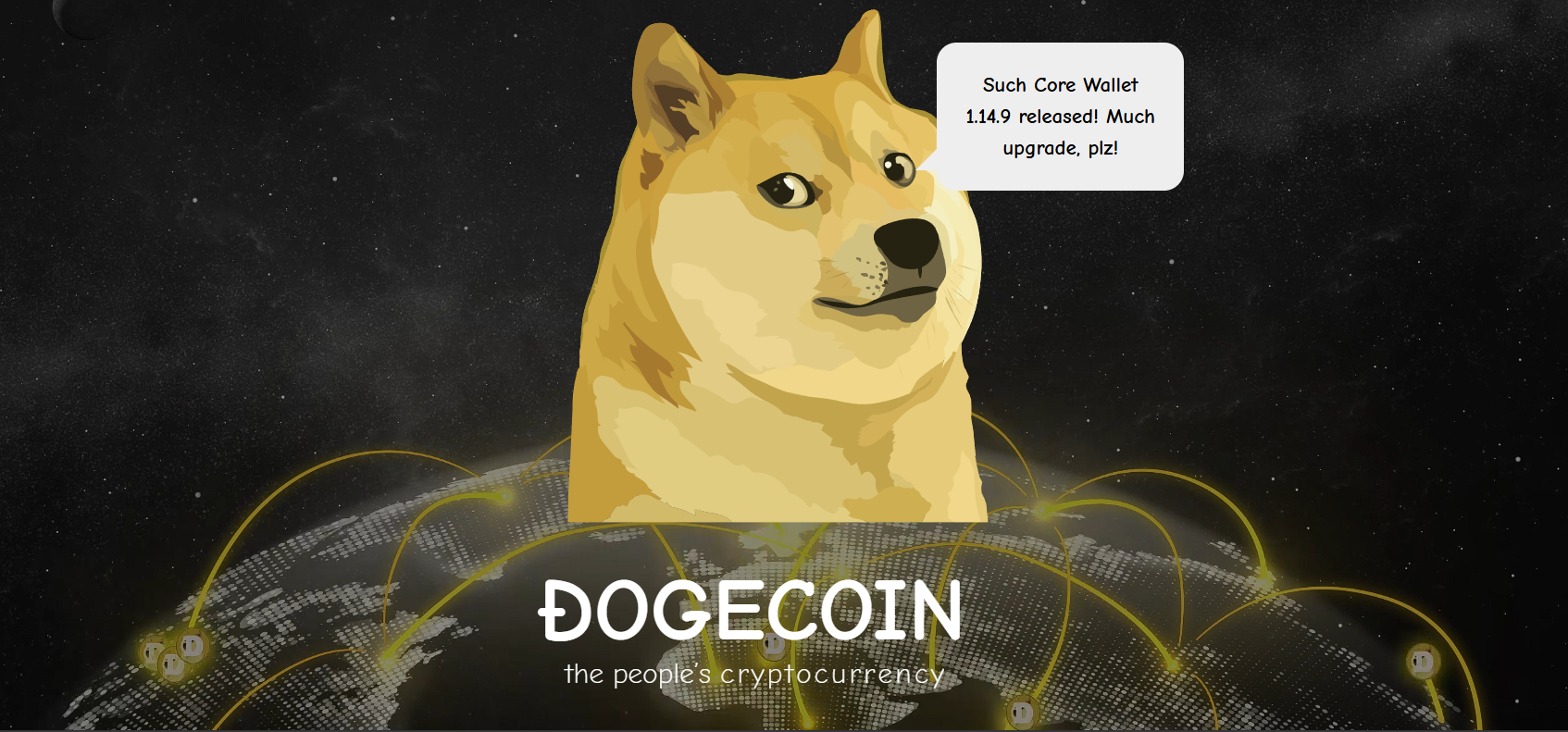
Dogecoin adopted the Shiba Inu meme as its symbol and began with a lighthearted, satirical tone. Unlike tokens deployed only through smart contracts, DOGE has its own blockchain, nodes, miners, and issuance rules.
Its community has supported sponsorships, charity, tipping, and other internet campaigns over many years, extending DOGE’s recognition beyond any single rally. It proved that a meme can become a durable brand and showed how celebrity comments and social platforms can magnify price volatility.
DOGE’s history cannot simply be reproduced. A later project using a similar animal image does not automatically have an independent network, a long-established community, or the same market conditions. Analysis must distinguish cultural imitation from real infrastructure.
How Did SHIB Expand the Meme Ecosystem?
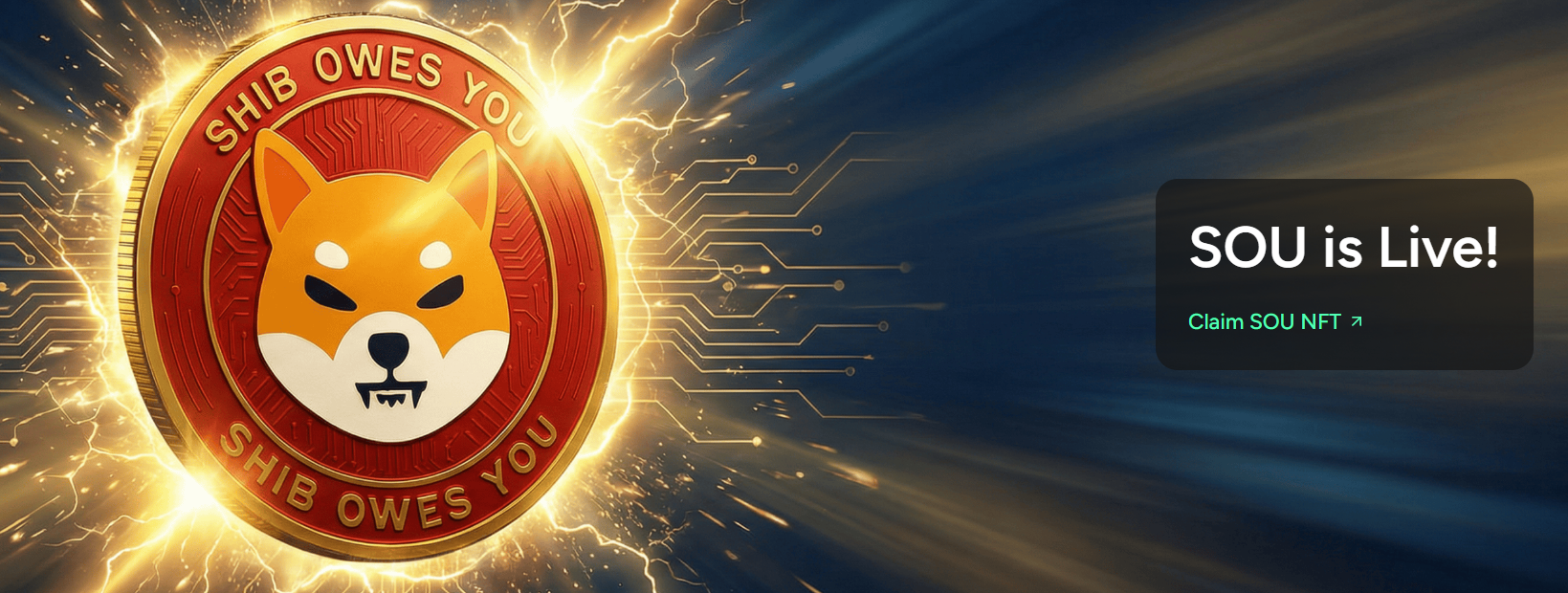
SHIB began as an ERC-20 token and expanded around community identity, decentralized trading, NFTs, governance, Shibarium, and other components. It illustrates how a Meme coin can develop from a single symbol into a multi-product brand.
Ecosystem expansion can create more use cases, but it also increases complexity. Multiple tokens, bridges, staking systems, governance processes, and Layer 2 components each require separate assessments of contracts, economic models, and administrator permissions. Sharing a brand does not make their risks identical.
Community size is also not the same as on-chain activity. Follower counts, group membership, and post volume may include bots or incentivized traffic. Analysts should also monitor real addresses, sustained transactions, development updates, and user retention.
What Is Different About PEPE, BONK, and Newer Meme Coins?
PEPE demonstrated how quickly an established internet meme can merge with an on-chain token. It emphasizes cultural recognition and community remixing while downplaying a conventional roadmap, representing a return to the “pure meme” asset.
BONK is closely associated with the recovery of the Solana community, low-cost trading, and ecosystem distribution. Distributing tokens to community members, applications, and ecosystem participants can create initial usage and brand exposure, but the exact allocation, unlock schedule, and connected wallets still need verification.
Other new projects are frequently created around animals, politics, AI, celebrities, or breaking news. Launches are becoming faster while lifespans may be getting shorter. A single trend can produce many contracts with the same name within hours, making authenticity and contract verification more important than the story itself.
Why Is It Becoming Easier to Launch Meme Coins?
7.1 Standardized Token Contracts
Standards such as ERC-20 and SPL Token let developers issue assets without building a separate blockchain. Templates, no-code tools, and open-source contracts lower the technical barrier even further.
Low barriers encourage experimentation, but they also make it easy for attackers to copy names, alter fees, retain minting powers, or deploy honeypots. The ability to create a contract does not make its team trustworthy, and a standard codebase does not make its parameters safe.
7.2 Low Fees and High-Throughput Networks
Lower transaction fees make small trades practical while also allowing bots to front-run frequently, create wallets in bulk, and fabricate activity. Better network performance lowers participation costs but does not automatically improve distribution fairness.
7.3 Automated Launch Platforms
Launchpads can automate token creation, bonding-curve pricing, and liquidity-pool setup, reducing the number of steps required from a developer. Transparent templates may restrict certain administrator privileges, but platform contracts, front ends, migration mechanisms, and trading bots still present risks.
7.4 Better Wallet and DEX Experiences
Users can move directly from social content into a wallet or DEX and complete a trade within minutes. A shorter path also leaves less time for verification, making fake links, incorrect networks, malicious approvals, and slippage problems more likely.
How Do Communities Create Meme Coin Value?
First, communities create a shared language. Images, jokes, slogans, and characters help strangers recognize one another quickly and offer a more unified distribution message than a complex product.
Second, communities provide free distribution. Members voluntarily create content, translate, and organize events, acting as a decentralized marketing network. The outcome depends on creator quality and genuine participation, not simply the number of posts.
Third, communities build social proof. Participation by holders, developers, merchants, and platforms can reduce uncertainty for newcomers, but paid promotion, bots, and fabricated partnerships can also manipulate that proof.
Fourth, communities sustain expectations of liquidity. Market makers and platforms are more likely to support deeper markets when users keep trading. If a community is active only while price is rising, liquidity often disappears quickly during a drawdown.
Fifth, communities can expand utility. Tipping, gaming, NFTs, payments, and offline events may generate additional demand. These uses should be validated with real data rather than assumed from a roadmap or partnership poster.
How Does Attention Turn Into Price?
Meme content first attracts views, reposts, and discussion. Some users then search for the contract and enter the market. New buying pushes up price and volume, and rising prices attract algorithmic recommendations, media coverage, and more creators, producing a reflexive loop.
When a liquidity pool is shallow, a small amount of buying can move the price substantially and make market capitalization appear to grow quickly. Market cap is usually calculated from the latest price multiplied by supply. It does not mean an equivalent amount of capital entered, and it does not mean every holder can sell at the same time.
The reverse loop can be just as fast. Whale selling pushes the price down, content interest fades, market makers withdraw, and stop-losses add to selling pressure. A community narrative may remain intact while the token stays depressed because of insufficient liquidity.
Attention, price, and value therefore cannot be treated as equivalents. A more complete method examines unique participants, sustained content creation, on-chain distribution, market depth, and verifiable utility together.
Is a “Fair Launch” Really Fair?
Many Meme coins advertise no private sale, no team allocation, or an open mint. These designs reduce the lockup and high-FDV problems seen in some traditional financing models, but a fair launch can still be distorted by differences in speed, technical ability, and information.
Deployers, insiders, and bots may know the contract address in advance and buy as soon as liquidity is created. Multiple addresses may be controlled by the same entity, so apparently distributed holdings do not prove genuine decentralization.
Bundled transactions, private relays, priority fees, and MEV tools also influence the earliest fills. By the time ordinary users see public trades, professional participants may already control low-cost inventory.
When analyzing a launch, review the creator’s funding source, earliest blocks, connected wallets, liquidity additions, token transfers, and later sales. Fairness is a verifiable process, not a marketing label.
How Should You Read Meme Coin Tokenomics?
11.1 Total Supply and Circulating Supply
A very large supply can make the unit price look low, but it does not make the valuation cheap. Review total supply, circulating supply, burn addresses, locked allocations, and future releases together.
11.2 Mint and Freeze Authorities
A contract may retain powers to mint, freeze accounts, pause transfers, set blacklists, or change transaction fees. If a project claims these authorities were renounced, verify the current on-chain state.
11.3 Transaction Taxes and Automated Mechanics
Some tokens tax purchases, sales, or transfers and direct the proceeds toward burns, marketing, liquidity, or holder rewards. High taxes reduce exit proceeds, and the risk is greater when administrators can change the rate.
11.4 Holder Distribution
Top-holder concentration should be analyzed after excluding exchanges, liquidity pools, burn addresses, and bridge contracts. Analysts must also determine whether multiple wallets were funded by the same source.
11.5 Liquidity Ownership
Check whether LP tokens are locked, burned, or controlled by a multisignature wallet, and verify the lock duration. Even with locked liquidity, a team may still affect the market by selling its tokens, using contract permissions, or moving to a new pool.
For a more systematic approach, read What Is Tokenomics?.
Is a Meme Coin Community Genuine or Manipulated?
A genuine community typically has decentralized content creation, sustained conversations, multiple language groups, open disagreements, and long-term contributors. Content does not all originate from a few official accounts, and members continue discussing products, culture, or activities when price declines.
Manipulated communities often show sudden growth, repeated copy, coordinated reposting, price-only discussions, and pressure to hold. Administrators may delete questions, fabricate partnerships, or use bots to simulate activity.
Influencer promotion must be distinguished from organic community support. Paid content is not automatically a scam, but concealed compensation, pre-positioned holdings, and selling after promotion create conflicts of interest. Users should review disclosures, wallet activity, and promotional timing.
On-chain data alone cannot prove that a community is genuine. Many addresses may belong to airdrop farmers, bots, or one entity splitting funds, while a few large addresses may be exchange custodians. Social and on-chain evidence must be cross-checked.
Conditions That Could Sustain a Meme Coin Supercycle
First, new cultural symbols must continue to emerge. The Meme market relies on new stories and participants. Repetition leads to fatigue, while original and adaptable content is more likely to extend a project’s life.
Second, trading infrastructure must remain reliable. Wallets, DEXs, launchpads, market makers, and cross-chain tools need to be secure and stable. A severe exploit could weaken confidence across the entire sector.
Third, liquidity must survive across cycles. Only when holders, developers, and market depth remain during downturns can a community grow from a single trend into a long-term brand.
Fourth, launch transparency must improve. Clearer disclosure of contract permissions, team wallets, liquidity, and paid promotion makes it easier to distinguish community experiments from short-lived scams.
Fifth, regulation and platform rules must still allow legitimate distribution and trading. Celebrity promotions, undisclosed interests, and market manipulation may face stricter controls, requiring better disclosures from projects.
Sixth, memes must connect with real use. Payments, tipping, gaming, content, and community benefits can create recurring demand and reduce dependence on one trend, but they cannot guarantee appreciation.
Why Could the Meme Coin Supercycle End?
A contraction in macro liquidity reduces demand for high-risk assets. When users move from speculation toward cash or major assets, shallow Meme coin markets usually suffer the greatest pressure.
Excessive issuance fragments attention. When many new tokens appear every day, communities and capital are divided repeatedly. Older projects struggle to retain attention, while the life cycle of new projects becomes shorter.
Major scams and security incidents damage trust. Waves of rug pulls, wallet attacks, launchpad exploits, or celebrity manipulation may push users away from the entire sector.
Changes to platform algorithms can also disrupt distribution. If social networks reduce recommendations for crypto content, remove bots, or change advertising rules, communities dependent on a single channel may lose exposure quickly.
Most importantly, the narrative itself can reverse. When participants assume that the “supercycle will continue forever,” prices may already reflect excessive expectations. If new buyers do not arrive, a community slogan cannot replace market depth.
How Do You Evaluate a Meme Coin Project?
First, verify the one correct contract address. Cross-check the project’s official channels with a trusted block explorer to avoid same-name tokens, fake airdrops, and search-ad phishing.
Second, inspect contract permissions. Determine whether the contract can mint, freeze, blacklist, pause, change fees, or upgrade through a proxy, and whether administrators use a single signer, a multisignature wallet, or have renounced control.
Third, analyze token distribution. After excluding exchanges, liquidity pools, and burn addresses, trace whales, creators, earliest buyers, and connected wallets.
Fourth, inspect liquidity. Review pool size, real bid-ask spreads, slippage, LP ownership, and lock duration. For the difference between market cap and realizable exit value, read Market Cap, Circulating Supply, and Fully Diluted Valuation Explained.
Fifth, evaluate community quality. Look for independent creators, diverse discussions, bot prevalence, paid-promotion disclosure, and activity during drawdowns rather than focusing only on follower counts.
Sixth, look for verifiable progress. Websites, code, governance, applications, events, and partnerships should have evidence that can be checked. Vague roadmaps and unconfirmed logo walls do not prove a partnership.
Seventh, design an exit plan. Decide in advance how much loss, position size, slippage, take-profit and stop-loss levels, and private-key risk you can accept. Do not use money needed for living expenses or depend on high leverage.
15.1 Run a Complete Trade Simulation First
After entering the intended amount in a wallet, do not sign immediately. Check the estimated amount received, minimum output, price impact, network fee, token tax, and routing pool. If the interface requires unusually high slippage, liquidity may be insufficient, the tax may be excessive, or the contract may restrict selling.
When first interacting with a new token, test both a purchase and a sale using a very small amount. An asset that can be bought but not sold may contain a honeypot, blacklist, cooldown, or liquidity problem. A small test cannot prove future safety, but it can reveal the most immediate trading barriers.
15.2 Limit Wallet Approvals
DEX trades generally require permission for a contract to use a token. Unlimited approval is convenient for later interactions, but it increases potential losses if the contract is malicious or the front end is compromised. Set a limited allowance when practical, then use a reputable tool to inspect and revoke permissions that are no longer needed.
A signed message is not the same as a normal on-chain transaction. A phishing site may request an order, Permit, or ownership authorization without immediately asking for gas. Cancel any signature you do not understand, even when the site displays a familiar logo.
15.3 Write Down the Price Plan Before Trading
Meme coin volatility can make participants raise targets repeatedly during a rally and refuse to cut losses during a decline. Writing down the maximum allocation, staged exit conditions, and acceptable worst-case result beforehand helps reduce decisions driven by real-time emotion.
An exit plan must also account for market depth. A displayed position value uses the latest traded price, but a real sale incurs slippage, taxes, and changing liquidity. The closer a position is to the size of the pool, the larger the gap may be between its screen value and actual proceeds.
Hotcoin’s Six-Dimension MEMECO Framework
Use the six-part MEMECO checklist to break down a Meme coin quickly. It helps identify narrative and trading risks; it is not an investment rating or return forecast.
16.1 M: Meme — Does the Cultural Symbol Have Staying Power?
Determine whether the content is easy to understand, supports remixing, and can spread across languages. A short-lived trend and a long-term cultural brand have different levels of durability.
16.2 E: Engagement — Is Community Participation Genuine?
Observe independent creators, discussion quality, offline events, development contributions, and retention during drawdowns. Identify bots, repetitive copy, and paid engagement.
16.3 M: Market — Is the Market Structure Healthy?
Review pool depth, trade distribution, slippage, market making, platform support, and the effect of whale selling. A high market cap does not equal deep liquidity.
16.4 E: Emission — Are Issuance and Permissions Transparent?
Verify supply, mint and freeze powers, taxes, burns, unlocks, team wallets, and proxy upgrades. A claimed fair launch must be supported by on-chain evidence.
16.5 C: Custody — Are Assets and Approvals Secure?
Use the correct network and contract, safeguard seed phrases, limit DApp approvals, and beware of fake airdrops. A successful trade does not prove that a contract lacks a backdoor.
16.6 O: Outcome — Can You Accept the Exit Result?
Estimate fees, slippage, taxes, and the worst possible loss. Consider the outcome of having no buyer or being unable to sell before deciding whether to participate.
Frequently Asked Questions
17.1 Does the Meme Coin Supercycle Really Exist?
It is a market thesis, not a proven law. Communities, liquidity, and infrastructure may lengthen the cycle, but macro conditions, scams, or fading attention may still end it.
17.2 Are Meme Coins Completely Valueless?
Not necessarily. Culture, brands, communities, and use cases can create demand, but the value is difficult to estimate consistently and does not guarantee lasting price support.
17.3 Does a Larger Community Make a Meme Coin Safer?
No. Followers can be purchased and group members may be bots. Contract permissions, ownership concentration, liquidity, the team, and genuine participation still need to be examined.
17.4 Is a Low Unit Price More Likely to Rise?
Unit price is determined by supply and does not indicate that an asset is cheap. Consider circulating supply, market cap, FDV, liquidity, and ownership distribution together.
17.5 Does Locked Liquidity Prevent a Rug Pull?
No guarantee. A team may still sell its holdings, alter the contract, exploit taxes, control a proxy, or migrate the community. Verify both the lock duration and contract permissions.
17.6 How Can You Identify a Fake Meme Coin With the Same Name?
Verify the blockchain network and full contract address through multiple official sources. A name, ticker, logo, and social account can all be copied.
17.7 Should Beginners Use Leverage to Trade Meme Coins?
No. Meme coins have high volatility, slippage, and liquidation risk. Leverage magnifies losses and can wipe out the entire margin during a brief price movement.
Conclusion: Communities Can Create Value but Cannot Remove Risk
Meme coins connect internet culture, identity, and global liquidity. DOGE demonstrates a long-lived community brand, SHIB demonstrates ecosystem expansion, and PEPE and BONK reflect the newer stage of pure memes, low-cost networks, and rapid distribution.
The supercycle thesis explains why Meme coins may continue attracting retail attention, but it cannot prove that prices will only rise. Attention migrates, liquidity exits, and bots or whales may turn community excitement into their own exit opportunity.
A genuinely sustainable community must withstand drawdowns, disputes, and time. For participants, contract permissions, ownership distribution, real liquidity, and a safe exit matter more than slogans.
For the evolution of representative projects and Meme culture, read Meme Coins Explained: The Cultural Code of DOGE, SHIB, and PEPE.
Return to The 2025 Web3 Frontier Landscape to compare Meme coins with AI, the Bitcoin ecosystem, parallel EVMs, modular blockchains, and other frontier narratives.
To connect to Web3 applications with a standalone wallet, use Hotcoin Web3 Wallet. For mobile market data and trading tools, visit the Hotcoin App. Browse more educational content at Hotcoin.
Risk Warning: This article is for education and information only and does not constitute investment, trading, legal, or tax advice. Meme coins may involve contract backdoors, mint or freeze powers, rug pulls, bots and MEV, concentrated ownership, fabricated communities, celebrity manipulation, disappearing liquidity, extreme slippage, wallet approvals, severe price volatility, and regulatory risks. Before participating, verify the latest official contract, on-chain distribution, liquidity, administrator permissions, and exit path, and use only funds you can afford to lose completely.
Lectura recomendada
Ver más



Service@hotcoin.com
Product@hotcoin.com
Business@hotcoin.com
Casecn@hotcoin.com